
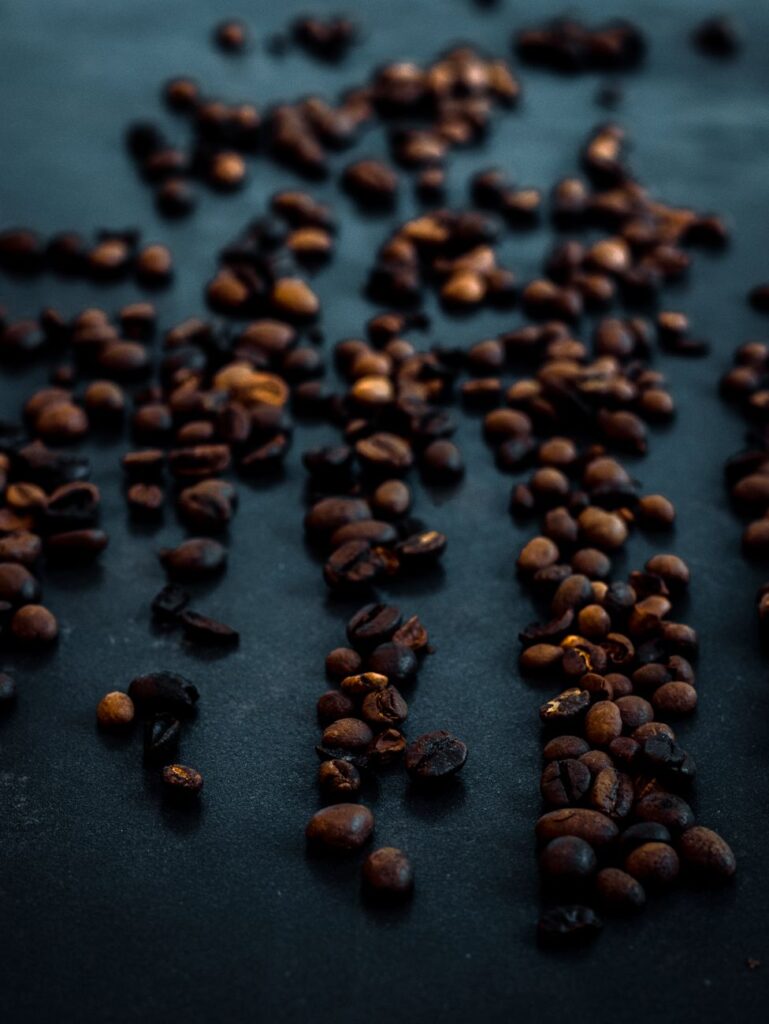
A glossy dark roast is not an espresso-machine death sentence.
At the hopper, the concern is easy to see: beans with a slick, almost varnished surface leave a faint film on the fingers. That film can accumulate in a superautomatic’s grinder, chute, and brew unit, but visible oil alone does not make the beans unusable.
The meaningful question is how much residue the machine receives over time. A moderately shiny fresh dark roast, used in a machine that is cleaned on schedule, is usually manageable. Very dark, oily beans used every day without cleaning are the risk: grounds can cling inside the dosing path, compact around moving parts, and eventually contribute to inconsistent doses or grinder jams. The sensible approach is not to ban a preferred roast, but to pair it with more frequent cleaning and watch for slower grinding, clumping, or weak, erratic shots.
- If beans feel greasy or leave obvious smears in the hopper, clean the grinder path and brew unit more often than the standard schedule.
Manage buildup before it affects coffee
Yes—very oily beans can gradually impair a superautomatic, but they rarely cause immediate damage. The risk is cumulative: oil and fine coffee particles cling to the grinder exit chute, dosing path, and brew-unit screens. As deposits harden, the machine may deliver smaller or inconsistent doses, grind more slowly, produce weak shots, or eventually report a grinder or coffee-path fault.
A light sheen on freshly roasted beans is not automatically a problem. Trouble is more likely with dark, visibly glossy roasts that leave a greasy film on the hopper walls or form clumps in the grounds container. Machines with narrow chutes and compact internal brew units are especially sensitive.
Keep the coffee path clear
- Choose medium or medium-dark beans with a dry-to-satin surface when possible.
- Empty the hopper before switching coffees; do not top up old oily beans indefinitely.
- Run the manufacturer’s brew-unit and coffee-path cleaning cycle on schedule, using the specified tablet.
- Remove loose grounds from the hopper and accessible chute with a dry brush; never add water to the grinder.
Bean choice does not automatically void a warranty. Coverage depends on the manufacturer’s terms and the diagnosed failure. However, a service claim can be declined when inspection shows neglected cleaning or a blockage caused by accumulated residue.
Oil does not protect burrs. It traps fines and can turn into a sticky coating, particularly after weeks of hopper storage.
What that shine actually is
Roasted coffee contains lipids inside the bean. Heat, time after roasting, and handling can bring a small amount of those compounds to the surface, creating a satin-like sheen. That is natural coffee oil, not automatically a sign that the beans will clog a superautomatic.
Roast colour is only a rough clue. Darker roasts more often show visible oil because their structure is more porous and they are commonly held longer after roasting, but a fresh dark roast can look dry. Conversely, some medium roasts can shine after warm storage or extended shelf time. Bean origin, processing, roast development, and age all matter.
The important distinction
Natural oils are part of plain roasted coffee and leave a manageable film in the grinder and brew path. Added flavouring oils, syrups, or sugary coatings are not. Hazelnut, vanilla, caramel, or novelty “dessert” beans may carry a sticky coating that clings to burrs, hopper walls, and grounds chutes far faster than ordinary coffee oil.
A practical check is simple:
- Plain beans may feel smooth or slightly slick, but should separate freely.
- Coated beans often smell strongly before grinding, feel tacky, or leave visible residue on the fingers.
- Avoid beans with sugar crystals, glossy candy-like shells, or powdery flavour coatings in the machine’s bean hopper.
For superautomatics, choose unflavoured whole beans. A modest natural sheen is acceptable; sticky additives are the clear avoidable risk.
A light natural sheen can occur on otherwise suitable whole beans.
Surface shine alone does not predict how quickly residue will accumulate.
Storage time, temperature, and bean structure also affect visible oil.
A medium roast can develop sheen, while a fresh dark roast may remain dry-looking.
Many are treated with added oils or sugar-containing flavour coatings.
These coatings can gum up burrs and internal passages much faster than natural coffee lipids.
Where oily residue causes trouble
Beans do not travel directly to the boiler. In a superautomatic, they move through a mostly dry, enclosed chain: hopper → burrs → grinder outlet → grounds chute → dosing chamber → brew unit. Oil and very fine particles can accumulate at every transfer point, gradually reducing the space through which fresh grounds must fall.
At the burrs, surface oil holds fines against the teeth and grinder walls. The grinder may still sound normal, yet its output becomes less consistent: clumps form, grounds cling to the outlet, and less coffee reaches the dose chamber. In the narrow chute below, that sticky film acts like a catch surface. Fresh grounds strike it, slow down, and build a compacted plug.
Why an enclosed machine notices sooner
A standalone grinder can be opened, brushed, and inspected easily. Most superautomatics hide the outlet and chute behind fixed panels, while their compact layouts use tight passages and gravity to move grounds. They are therefore less tolerant of residue than an open grinder or a portafilter workflow.
Common early signs include:
- weaker coffee despite unchanged strength settings;
- dry grounds scattered in the interior or dumped into the tray;
- a louder, strained grinder with little coffee delivered;
- “add beans” or dose-related errors when the hopper is full.
The boiler is not the usual target. Beans and grounds never enter its water circuit; oily coffee residue obstructs the grinding and grounds-transfer system instead. If output weakens, cleaning the accessible hopper, burr area, brew unit, and grounds path promptly is more useful than descaling. Descaling removes mineral scale from water passages, not coffee oil from dry components.
How residue buildup announces itself
A residue problem usually begins in the grinder and grounds chute, not at the water outlet. The machine may sound strained or inconsistent during grinding, produce clumpy grounds, or leave an unusually large amount of dry coffee in the dregs box. A sour, stale, or rancid note that survives normal brew adjustments is another useful clue.
Match the symptom to the cause
- Oily residue: erratic dose size, clumped grounds, slow or incomplete discharge into the brew unit, and weak shots despite a normal-looking puck.
- Scale or water restriction: slower water flow, reduced volume, pump noise, and warnings that may appear even with clean, dry grounds.
- Grind setting or bean freshness: coffee runs too fast or tastes thin, but grounds remain loose and the grinder delivers consistently. Consult the settings worth reviewing when superautomatic coffee is weak before blaming the beans.
Repeated “add beans” or grinder-blocked messages with a full hopper point more strongly to a bridged or coated feed path. Inspect only after unplugging the machine and following its manual: visible sticky film around the hopper throat or on removable grinder parts supports that diagnosis. Do not compensate by making the grind finer; that adds resistance and can conceal the underlying blockage.
Choose beans by what is on the bag—and on the bean
-
A dry, free-flowing surface
Beans may show a faint sheen, but they should feel dry and separate easily. A glossy, tacky surface transfers residue into the hopper.
PreferDry beans with no sticky filmLeave behindBeans that feel greasy or cling together -
No pooled oil in the bag
A few shiny spots are less concerning than oil collecting at the bottom of the bag or smearing the valve and packaging.
PreferClean bag interior and loose beansLeave behindOil puddles, smears, or heavy gloss -
A roast judged by condition, not color
Many medium-dark coffees run well when dry. Very dark roasts deserve closer inspection because they more often release surface oil.
PreferFresh, dry medium to medium-dark beansLeave behindExceptionally oily dark-roast batches -
Fresh beans in a sensible quantity
Buy enough for roughly two to four weeks after opening. Long-open bags oxidize and can become oilier in a warm hopper.
PreferRoast date and a smaller bagLeave behindLarge bags stored open for months
Most superautomatic manuals prohibit flavored, caramelized, sugar-coated, or otherwise coated beans. These additives create sticky deposits far faster than natural coffee oils.
If the manual also excludes exceptionally oily beans, follow that restriction even when the coffee tastes excellent. A compatible dry bean is the safer choice for the grinder and grounds path.
Match cleaning to the bean’s oil level
-
Keep the hopper shallow
Add only enough beans for one to three days. A small working supply limits the time oils sit on hopper walls and helps keep the feed chute dry.
-
Empty and dry-wipe weekly
With the machine off and cool, remove loose beans and wipe the hopper, lid, and accessible chute with a clean, dry microfiber cloth. Do not wash parts unless the manual explicitly permits it; trapped moisture can make grounds bind.
-
Brush the grinder entry regularly
Use the manufacturer-supplied brush, or a soft dry brush, to clear visible fines from the hopper outlet and grounds path. For glossy beans, make this a weekly task; with dry beans, every two to four weeks is usually sufficient.
-
Clean the brew unit on its approved schedule
Rinse a removable brew unit only as directed, let it dry fully, and run the specified cleaning tablet cycle when prompted or at the stated interval. Follow the cleaning guidance for espresso machine components for the correct product and sequence.
-
Escalate when symptoms persist
If clumping, missed doses, or grinder stalls continue after normal cleaning, stop adding oily beans and arrange authorized service. Internal grinder disassembly is not a routine home-cleaning step.
Increase frequency when beans feel tacky or leave visible film; do not increase it by introducing liquids or household cleaners.
Do not spray lubricant, silicone, degreaser, or non-food-safe cleaner into the hopper or grinder. These products can leave residues, attack plastics, or carry into the coffee path.
Likewise, avoid running uncooked rice, flavored cleaning pellets, or any cleaner not approved for that specific machine. Hard particles can damage burrs or jam the grinder; loose powders can compact into the chute. Use only the manufacturer’s stated cleaner and procedure.
When cleaning is no longer enough
Start by emptying the hopper and running the grinder until it is clear of the previous beans. Add a small amount of dry, unflavoured beans, then run the manufacturer-approved cleaning cycle and clean only parts the manual identifies as user-accessible: hopper, grounds chute entrance, drip tray, grounds container, and removable brew unit where fitted. A soft brush and dry cloth are usually sufficient; water, rice, solvents, and grinder-cleaning pellets not approved for that model can create a different problem.
Test the machine over several drinks
Make three to five coffees at the usual strength setting. One poor dose immediately after a bean change may simply be retained grounds clearing from the system. Improvement in puck consistency, grinder sound, and dose delivery points to residue rather than a mechanical failure.
Do not keep forcing cycles through a machine that repeats the same fault. Repeated jams, a motor that labours or stalls, an error that returns after the approved cycle, or grounds backing up into accessible areas warrant service. Professional attention is also appropriate when clearing the blockage would require removing grinder covers, reaching into the grinding chamber, or dismantling internal panels. Those steps can damage calibrated components and may affect warranty coverage.
A strained grinder motor is not a cue to run more beans through it. Power the machine off, record the fault message, and arrange authorized service if the fault persists after the bean swap and approved cleaning.
Keep the beans, tighten the routine
- Treat frequent dark-roast use as a machine-selection criterion, not an afterthought.
- A change in dosing, sound, or puck texture is an early maintenance signal—not a reason to wait for a fault.
Dark roasts do not automatically disqualify a superautomatic. They do, however, make hopper discipline and regular cleaning part of the cost of enjoying that style: buy smaller quantities, keep the hopper lightly filled, brush away loose residue, and use only the manufacturer’s approved cleaning cycle and products.
For households committed to very dark, glossy beans, choose a bean-to-cup machine with accessible grounds-path maintenance, a removable brew unit where preferred, and responsive local service. Check the machine’s output when opening each new bag. If dry reference beans restore normal dosing, the coffee and cleaning schedule need attention; if they do not, arrange service before a feed problem becomes a repair.