

OLED Laptop Burn-In: Is an Always-On Work Screen Risky?
Discover whether using an OLED laptop for daily office productivity causes burn-in, how static interfaces impact pixel wear, and ways to protect your display.
Discover whether using an OLED laptop for daily office productivity causes burn-in, how static interfaces impact pixel wear, and ways to protect your display.

Measure the visible upholstered span: the width from the outside edge of one upholstered arm or seat section to the other. This is more useful than the manufacturer’s overall width, which can include bulky wood arms, recliner controls, or projecting feet that do not read as part of the seating mass. Use artwork—or a grouped

For most dining rooms, the bottom of the chandelier should sit 30 to 36 inches above the tabletop. This is the standard starting range used in lighting plans because it puts illumination where it is useful—on plates, serving dishes, and faces—without dropping the fixture into the visual path across the table. At less than 30
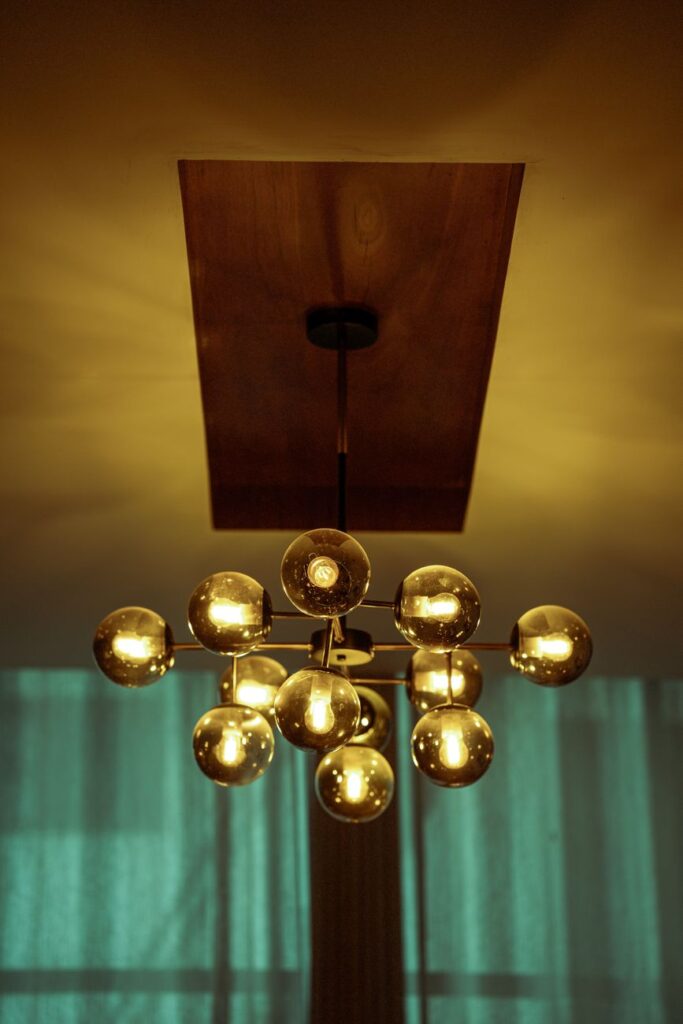
A dependable first estimate is simple: add the room’s length and width in feet; use that number as the chandelier’s diameter in inches. A 12-by-14-foot room therefore suggests a fixture around 26 inches wide. Treat this as a center point, not a purchase order. In a compact, fully furnished room, reducing that result by 2–4
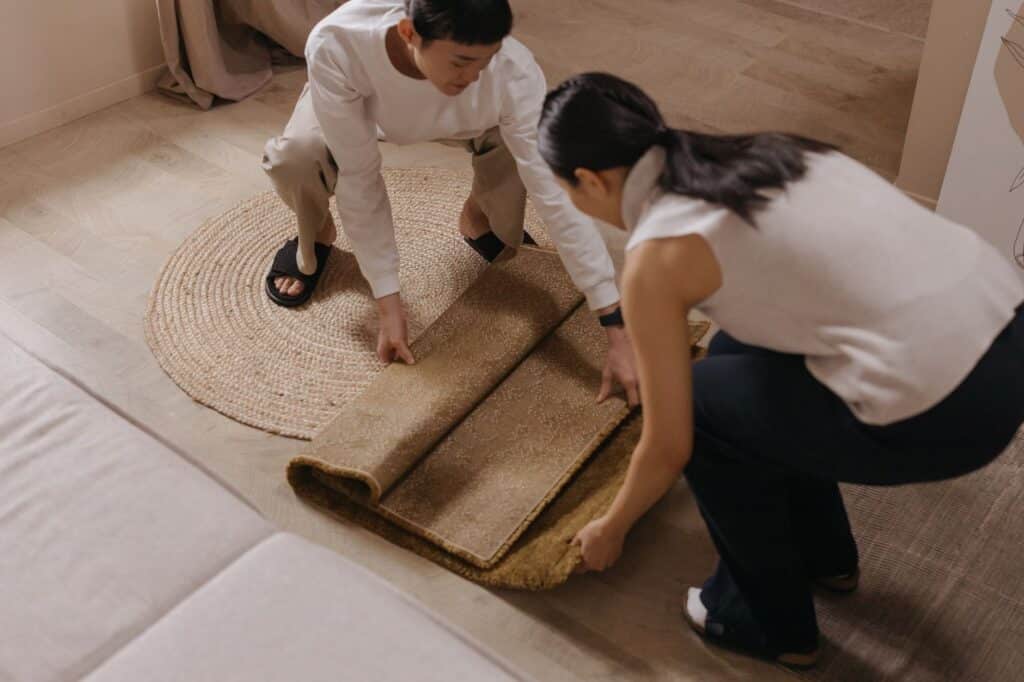
An anchored seating arrangement treats the sofa, chairs, and coffee table as one deliberate island. The rug should extend beneath that group so it visually connects the pieces and gives front legs a stable landing place. It is not selected to fill whatever floor remains around the walls. The common failure is the postage-stamp rug:

A standard king mattress measures 76 × 80 inches. A California king is narrower but longer at 72 × 84 inches. Those four inches matter when a rug is intended to extend evenly beyond the foot of the bed; the California king often needs a longer rug placement, not simply a wider one. The mattress
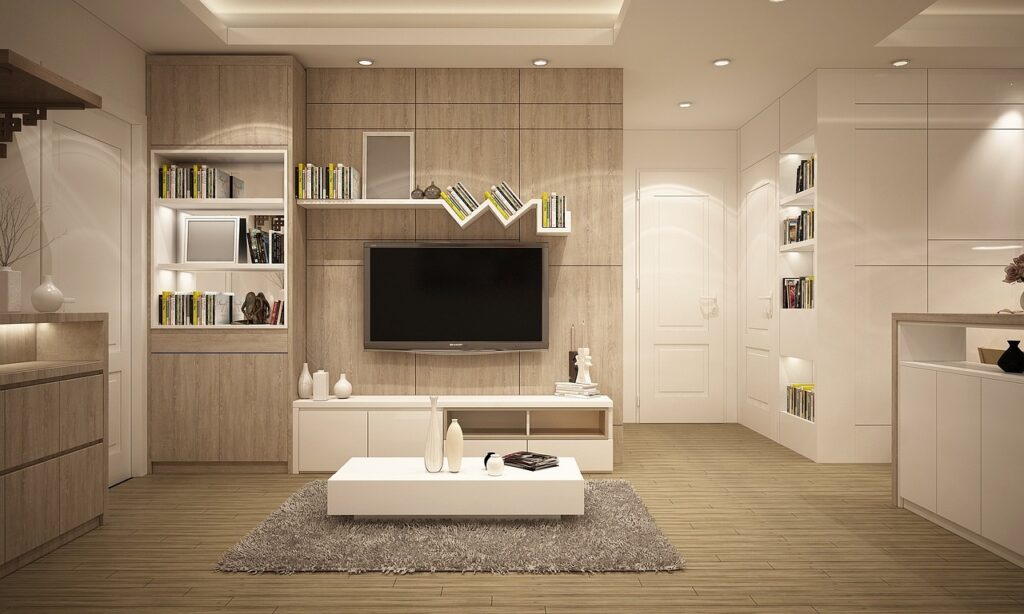
A mixed-wood room needs a reference finish: the surface that is largest, most permanent, or visually dominant. It establishes the room’s temperature and depth; every other wood only needs to look intentional beside it. Matching its stain exactly often makes differences in grain and age more conspicuous. Start with what cannot move In most rooms,
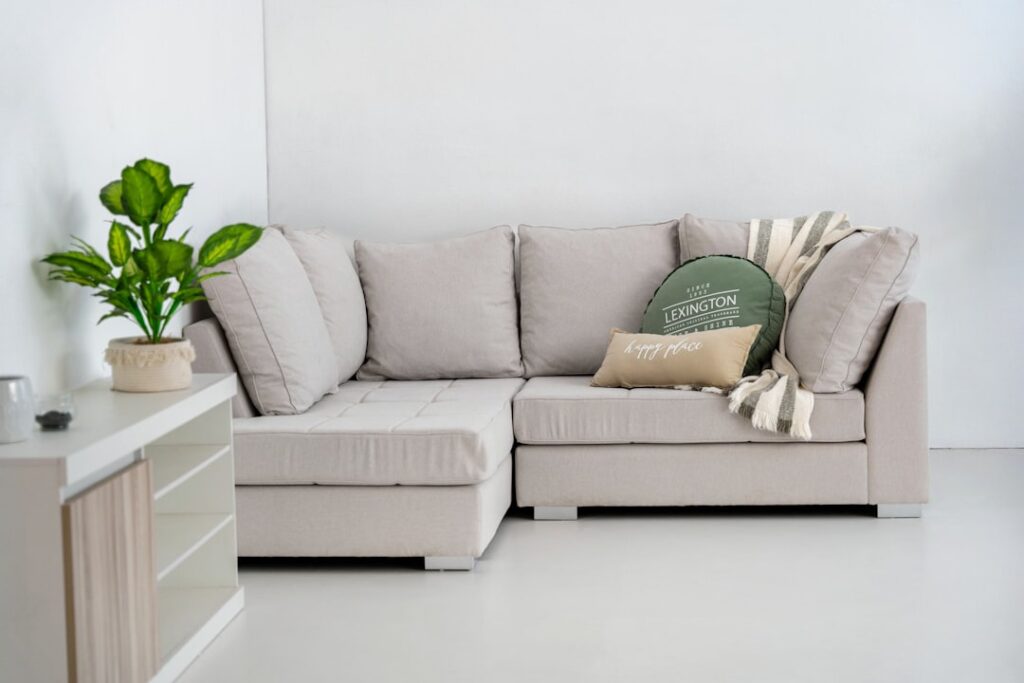
A sectional almost never travels through a home as one assembled sofa. The relevant unit is each separate shippable piece: left- and right-arm chaises, armless chairs, corner wedges, consoles, ottomans, and loose backs or arms. Record every piece; the largest one usually sets the route requirement. Start with the delivery configuration Use the retailer’s spec
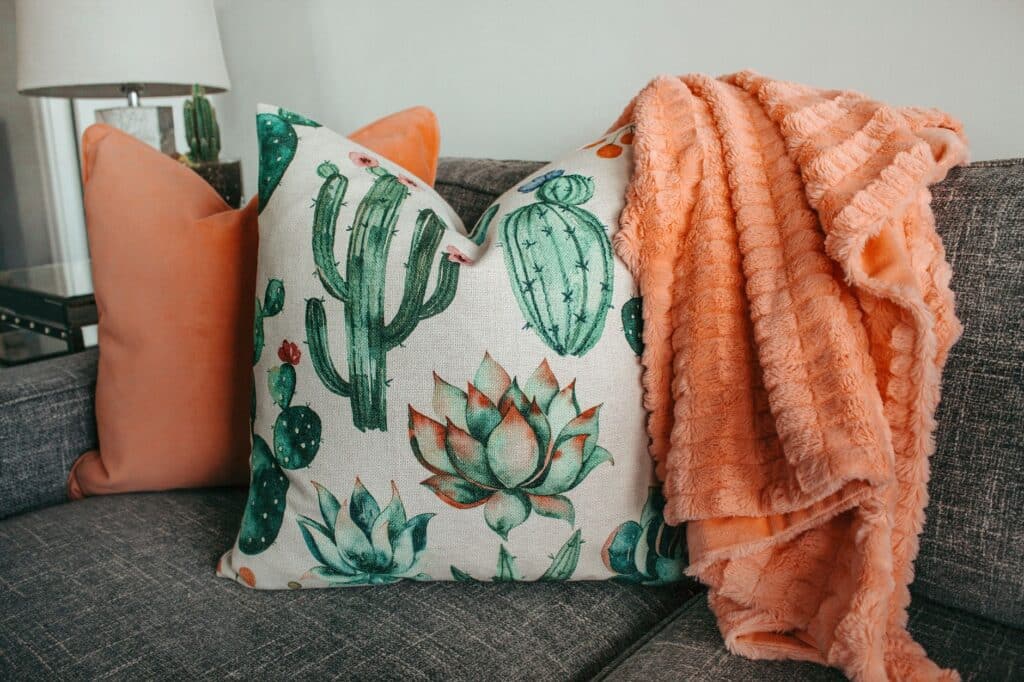
A sofa looks more expensive when its seat line is level, back cushions sit upright, and arms match in height and fullness. In daylight, remove throws and pillows, then photograph it straight on; uneven filling and twisted covers become obvious in a photo. Vacuum seams, under cushions, and along the deck with an upholstery tool

An empty built-in already has a visual rhythm: bay widths, shelf heights, vertical dividers, and the negative space around it. Treat those elements as the first layer of the composition. A narrow, finely trimmed unit often looks strongest with fewer, smaller pieces; a deep, broad bookcase can carry larger stacks, bowls, and framed art without