
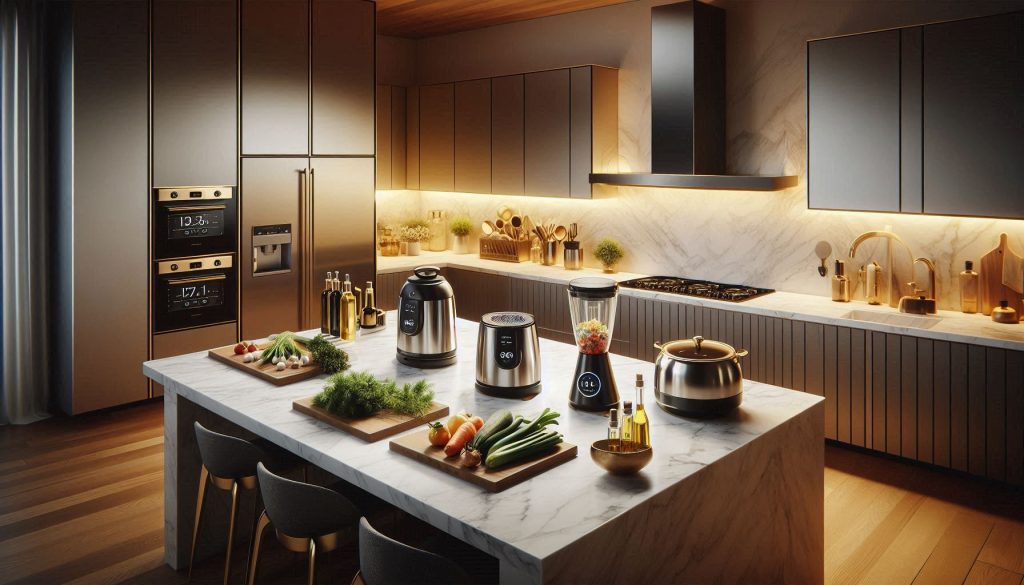
Upgrading to a smart kitchen is more than just a trend; it is a strategic move toward a more efficient, sustainable, and stress-free lifestyle. By integrating connected appliances and intelligent sensors into your daily routine, you can transform repetitive chores into automated, time-saving experiences. Whether it’s an oven that preheats on your way home or a refrigerator that tracks expiration dates to reduce food waste, these essentials empower you to achieve professional-grade results with minimal effort while seamlessly blending into your broader smart home ecosystem.
This guide explores 15 must-have smart kitchen appliances categorized by their practical functions to help you prioritize the best upgrades for your space and budget. You will discover how to choose tools that align with your specific cooking habits, from AI-powered precision tools to voice-activated assistants that offer hands-free control. By evaluating the pros, cons, and long-term value of each essential, you can build a high-tech culinary sanctuary that simplifies meal prep, enhances food safety, and adds a touch of modern luxury to the heart of your home.
Why a Smart Kitchen Matters for Your Home
Thinking about upgrading your kitchen? A smart kitchen turns routine tasks into reliable, time-saving experiences. Connected appliances cook faster and more consistently, while sensors and storage systems cut food waste.
With smart tools you’ll save time, reduce stress, and get better results whether you’re meal-prepping or entertaining. Integration with your wider smart home lets you control devices, monitor groceries, and automate chores from one app or voice command.
This guide highlights 15 practical items grouped by function, plus buying and setup tips. Use it to prioritize upgrades based on your routines, kitchen size, and budget so you make smart choices that improve daily life. Expect clear recommendations, pros and cons, and budget options. You’ll be cooking smarter in no time.
Smart Cooking Appliances: Faster, More Consistent Results
Smart Ovens & Connected Ranges
Smart ovens (or ranges with Wi‑Fi) give you remote control, guided presets, and precise finish via probe monitoring.
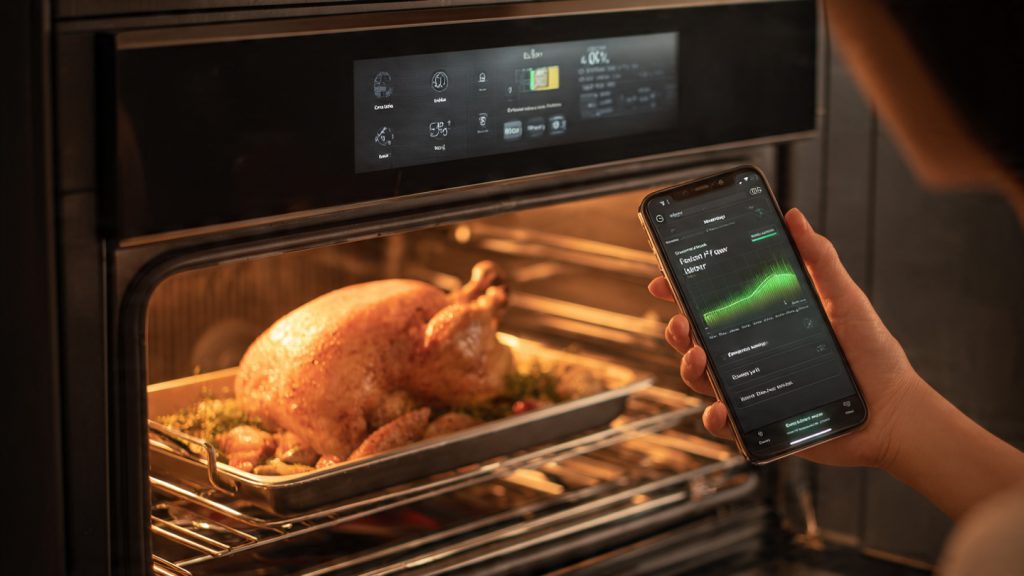
You can preheat from your phone on the commute, receive a “resting time” alert, or launch a roast program that adjusts temperature automatically. What you’ll notice: reliably even bakes, fewer guesswork finishes, and fewer ruined dinners because the app alerts you when the internal temp hits target. Real models to compare: June Oven, GE Profile Smart Oven, and Tovala (meal + oven system).
What to look for when buying:
Quick setup & use tips:
Smart Multicookers / Instant Pots
Smart multicookers add Wi‑Fi/bluetooth control and app recipes to the pressure-cooking formula.
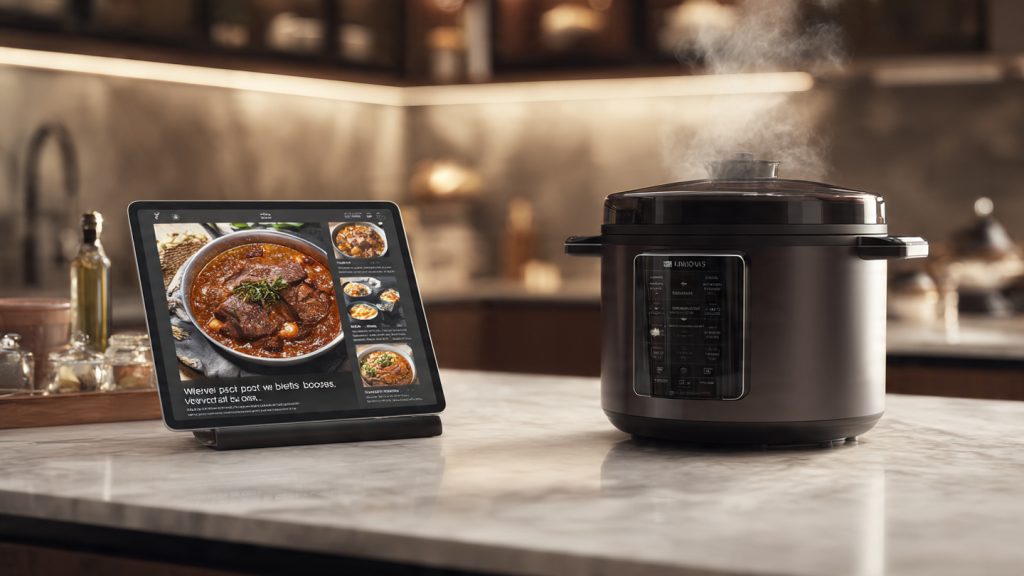
With presets and scheduled cooking you’ll have consistent beans, stews, and yogurt without babysitting. Practical benefits: saved time (fast pressure cycles), repeatability (same texture every time), and meal-planning—start dinner from the office so it’s ready when you get home. Example: Instant Pot Smart Wi‑Fi offers remote start/stop and recipe sync.
What to check:
Daily tips:
Smart Induction Cooktops
Smart induction combines induction’s pinpoint temperature control with app-guided heat steps—useful for precise sauces or multi-step recipes. Hestan Cue is a notable system pairing cookware with guided temp curves.
Benefits: superior consistency (no hot spots), faster heat-up, and repeatable sous‑vide‑like control on the stovetop.
What to verify:
Pro tips:
Interoperability, Voice Control & Updates
Make sure devices support the assistants you use (Alexa, Google Assistant, Siri Shortcuts) and check whether voice control requires cloud services or offers local commands. Firmware and safety updates are usually pushed OTA via the app—enable auto updates, register your device, and read the EOL/security policy so you know how long updates will be issued. If an update ever looks problematic, manufacturers usually provide rollback guidance or customer support channels to help.
Smart Food Storage & Preservation: Fresher Food, Less Waste
Keeping food fresh is as much about monitoring as it is about cooling. Here are three smart tools that actually change how long food lasts and how you plan meals.
Smart refrigerators: sensors, cameras, and built‑in inventory
Modern smart fridges (Samsung Family Hub, LG InstaView ThinQ, Whirlpool Connect) use interior cameras, weight/door sensors, and barcode/photo recognition to track what’s inside.
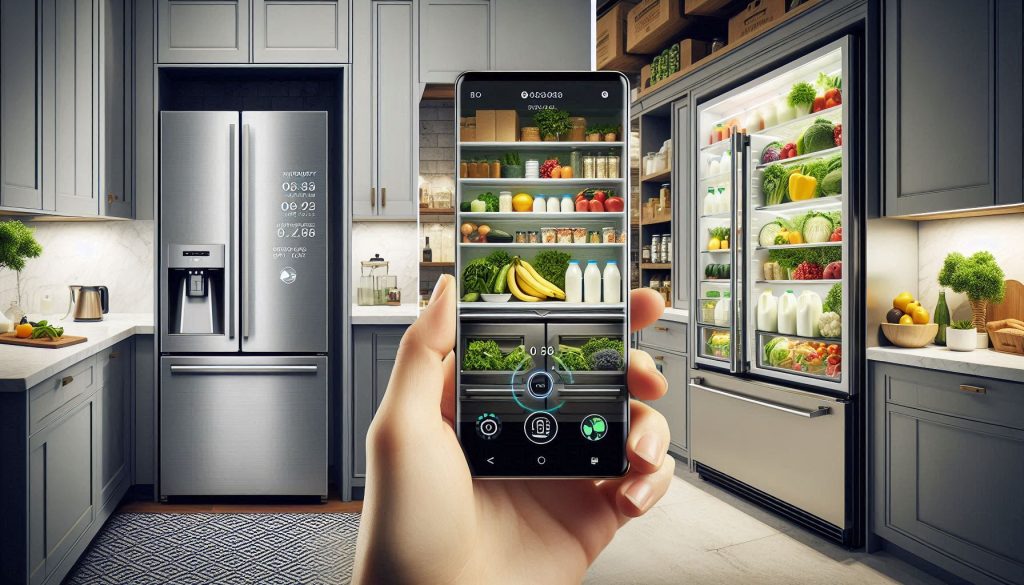
That means your fridge can:
Real life: imagine you’re at the store and your phone shows an expiring rotisserie chicken—you avoid buying another and plan a stir‑fry. Those small changes are why households waste roughly 30–40% less food when inventory tools are used consistently.
What to look for when buying:
Smart vacuum sealers & food preservation systems
Vacuum sealing removes oxygen and slows spoilage. Smart models (Anova Precision Vacuum Sealer, FoodSaver models with automatic sensors) add app control, preset cycles for wet/dry foods, and auto‑stop features to avoid crushing delicate items. Benefits:
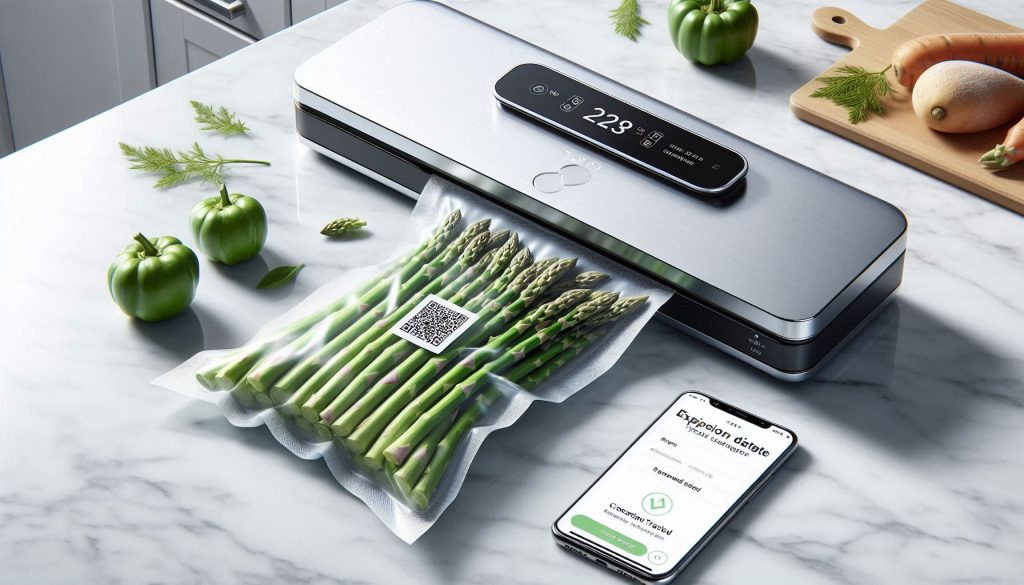
Buying tips:
Smart fridge/freezer sensors & humidity packs
Standalone sensors (SensorPush, Govee, Monnit) and humidity‑control packs let you monitor microclimates inside drawers and freezers. They send alerts when temps or humidity drift—critical to prevent spoilage or hidden thawing during power events.
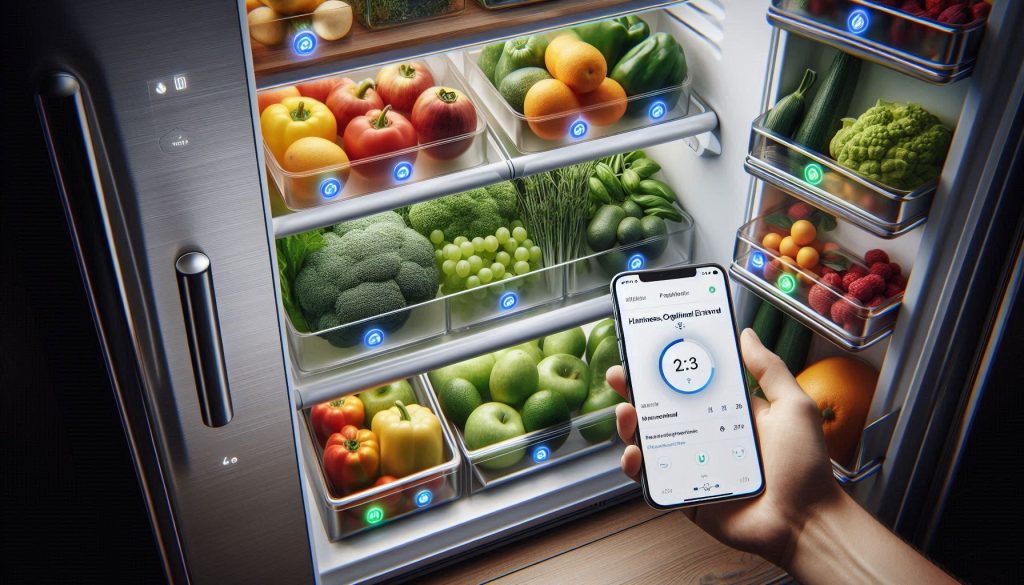
What to prioritize:
Privacy & pairing tips
Smart Prep & Small Appliances: Precision and Convenience
Smart prep tools are the unsung heroes of a modern kitchen: small, inexpensive relative to major appliances, and used every day. Focus on three that pay dividends in consistency, speed, and data: a smart kitchen scale, a precision cook (sous‑vide) device, and a connected coffee / bean‑to‑cup machine.
Smart kitchen scale — recipes and nutrition without guesswork
A Bluetooth or Wi‑Fi scale (examples: Drop Scale, Etekcity Bluetooth nutrition scales) does more than weigh ingredients. Paired with recipe apps, it auto‑logs quantities and calculates macros, so a smoothie, bowl, or meal prep batch instantly updates your nutrition tracker.
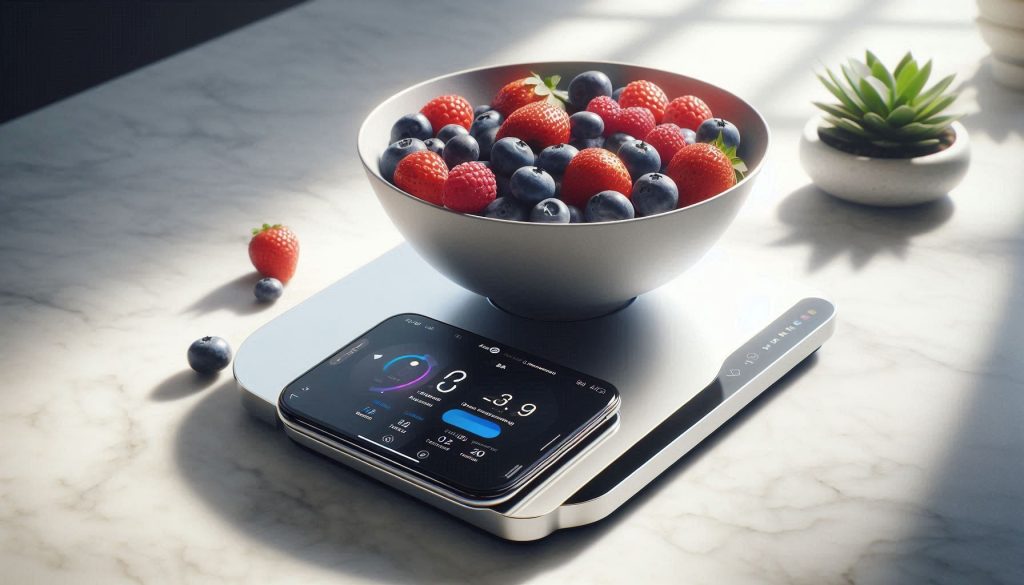
What to look for:
Real‑world tip: weigh coffee and oats instead of eyeballing them — you’ll cut calories and cost much faster than swapping ingredients.
Smart sous‑vide / precision cooker — hands‑off, restaurant results
Devices like the Anova Precision Cooker or ChefSteps Joule let you set exact temperatures and timers from your phone. They’re perfect for proteins, eggs, and meal‑prep bags that you cook unattended then finish with a quick sear.
Key advantages:
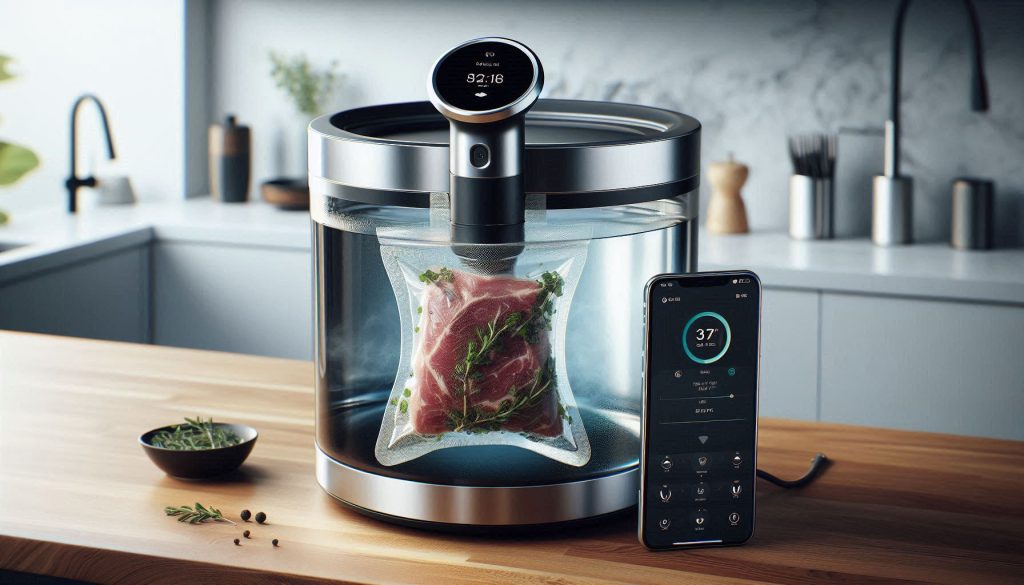
Product note: prefer models with reliable connectivity and well‑tested PID control; Joule and Anova are the commonly cited leaders.
Connected coffee / bean‑to‑cup machines — café quality, zero fuss
Bean‑to‑cup machines from Jura, Breville (higher‑end models), and Philips connected lines can grind, tamp, brew, and froth on command. Use app profiles to save strength, milk amount, and temperature for each family member.
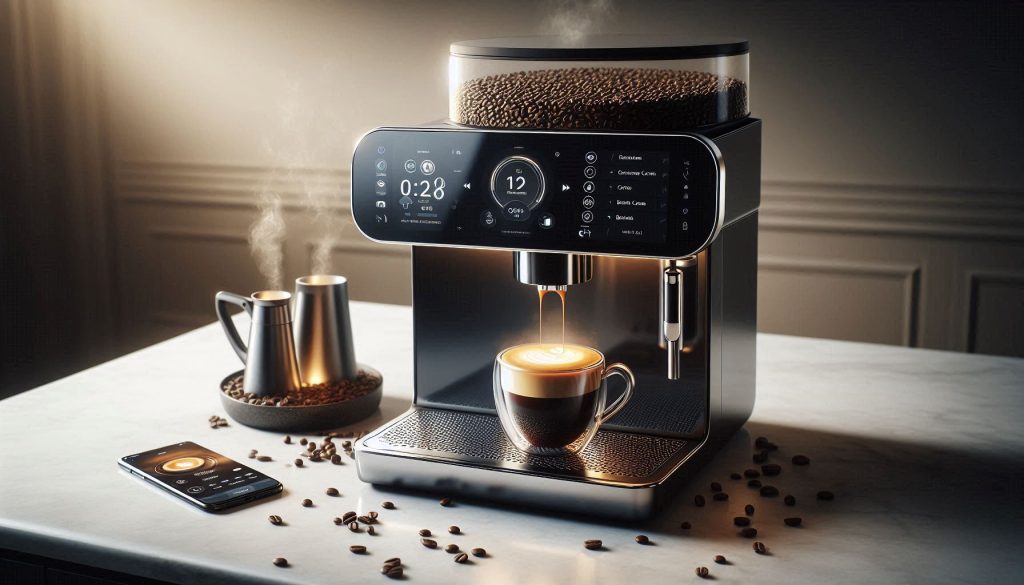
Buying highlights:
Where automation truly saves time — and where to keep manual control
Automation wins when repeatability matters: batch sous‑vide cooks, routine morning coffee, and consistent portioning for meal prep. Keep manual control for creative tasks: adjusting seasoning by taste, mastering latte art, or high‑heat searing after sous‑vide.
Simple workflow examples
These small devices stack: measured portions, precision cooking, and reliable coffee add up to less guesswork and more usable time in your week.
Smart Cleaning & Maintenance: Less Chore, More Time
Keeping a modern kitchen running smoothly isn’t just about great cooking tools — it’s about removing the daily grime and preventing big problems before they happen. Smart cleaning and maintenance devices free you from routine chores, keep surfaces hygienic, and protect your home from costly water damage. Below are the kitchen-focused smart tools to prioritize, how to pick them, and simple upkeep and automation tips you can use this week.
Robot vacuums & robot mops — kitchen-optimized cleaning
Robot cleaners now include “kitchen modes” that focus on crumbs, sticky spots, and high-traffic zones.
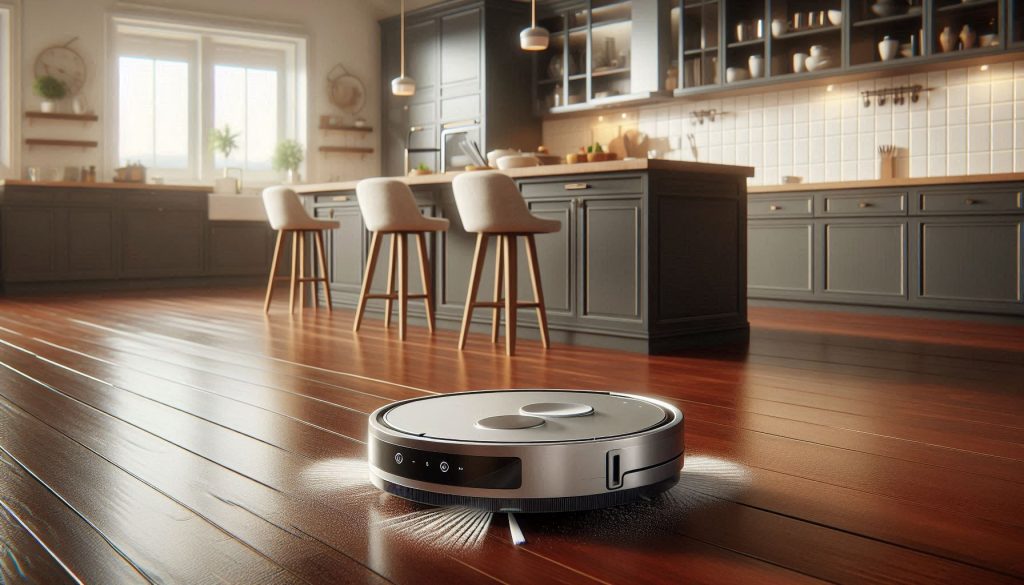
Popular examples: Roborock S8 Pro Ultra, iRobot Roomba j9+, and Ecovacs Deebot models with self-empty/auto-wash docks.
What to look for:
Maintenance tips:
Schedule ideas:
Smart dishwashers — remote monitoring + better results
Connected dishwashers (Bosch Home Connect, Miele WiFiConn@ct, Samsung SmartThings-enabled models) give cycle alerts, auto-dosing, and soil-sensing that optimize water and detergent use.
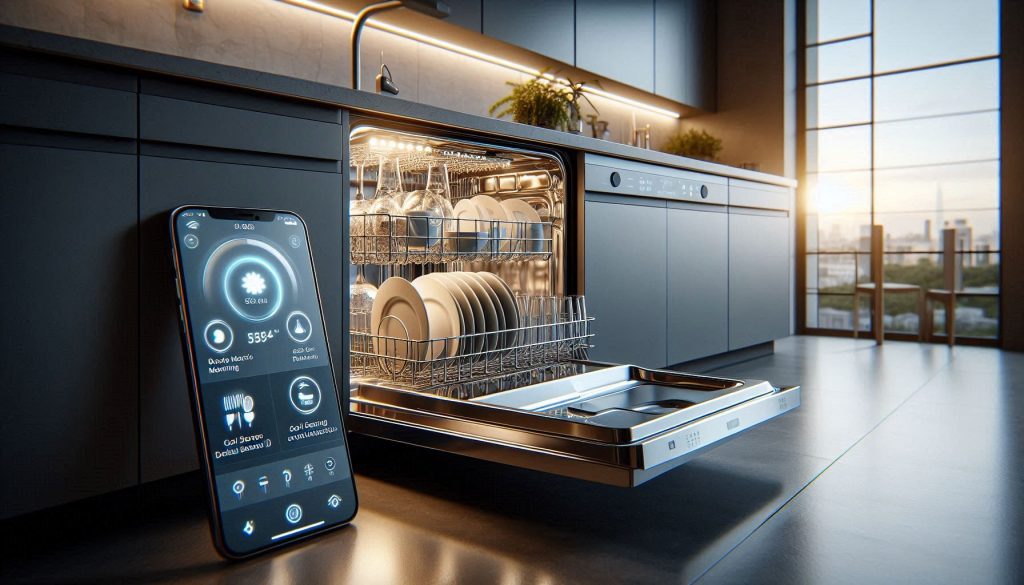
Buying criteria:
Maintenance tips:
Schedule ideas:
Smart faucets & water monitors — prevent leaks, save water
Water-monitoring systems (Flo by Moen, Phyn Plus) and touchless smart faucets (Kohler Konnect, Moen) detect leaks, measure flow, and can shut water off automatically.
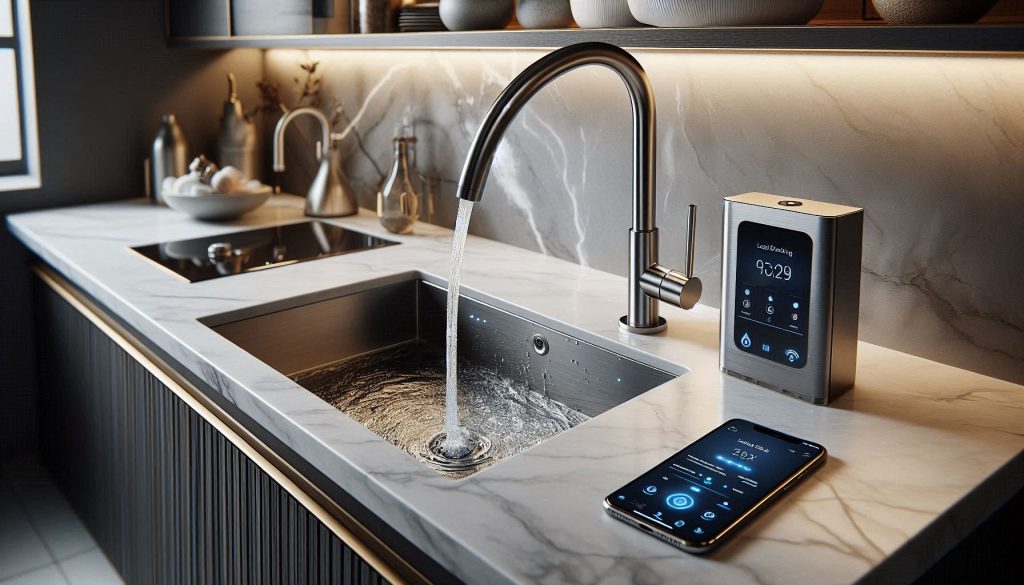
Buying criteria:
Maintenance tips:
Automation example: have your robot mop run 30 minutes after dinner, set the dishwasher to start at midnight, and enable your water monitor to auto‑shutoff during extended absences — small schedules that save time and prevent headaches.
Connectivity, Safety & Accessories: The Glue That Makes It All Work
The smart appliances and sensors you’ve read about need reliable connectivity and safety accessories to be useful day-to-day. These three categories tie your kitchen into a system that’s remotely controllable, energy‑efficient, and safer when things go wrong.
Smart plugs & energy monitors — bring legacy gear into your system
Use smart plugs to control older appliances (countertop mixers, kettles, slow cookers) and energy monitors to spot wasteful devices.
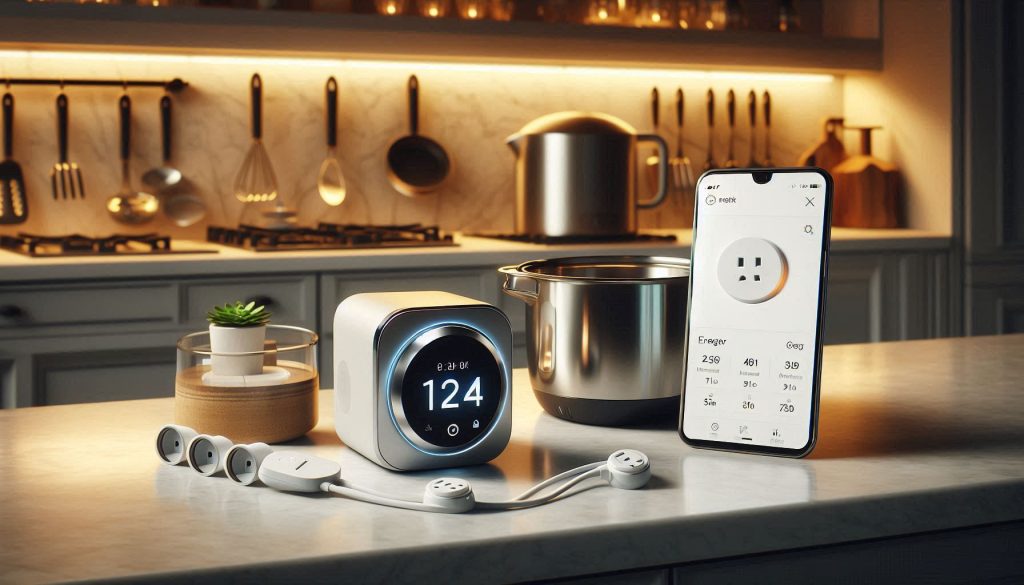
Examples:
How to use them:
Multi‑sensor safety kits — detect the biggest kitchen risks
A small collection of targeted detectors prevents the common costly incidents in kitchens.
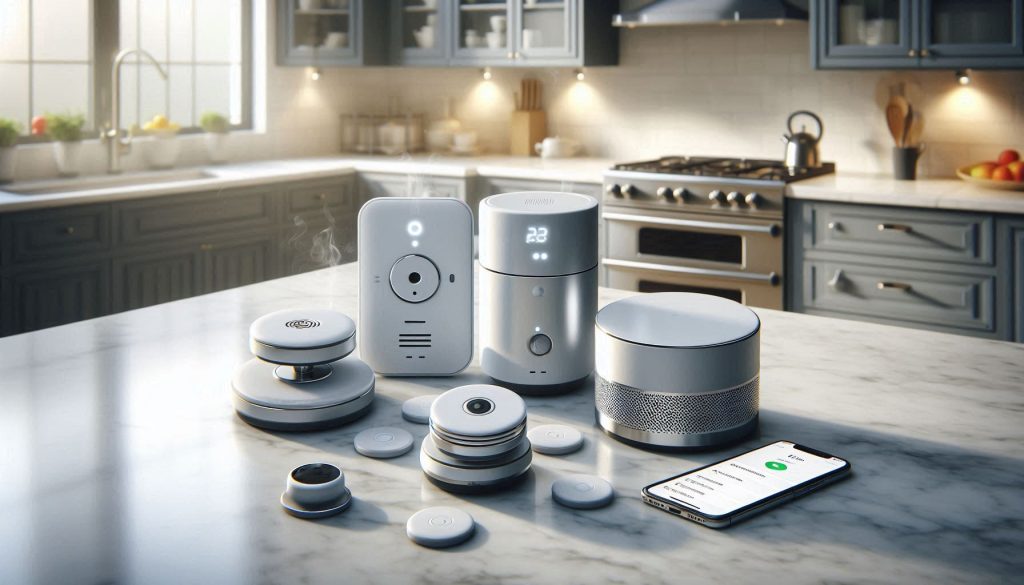
Key picks:
Placement rules of thumb (and follow manufacturer instructions):
Smart lighting & voice assistant hubs — intuitive control and alerts
A central hub makes control natural and fast: lights, voice announcements and routines create context-aware responses.
Good hubs:
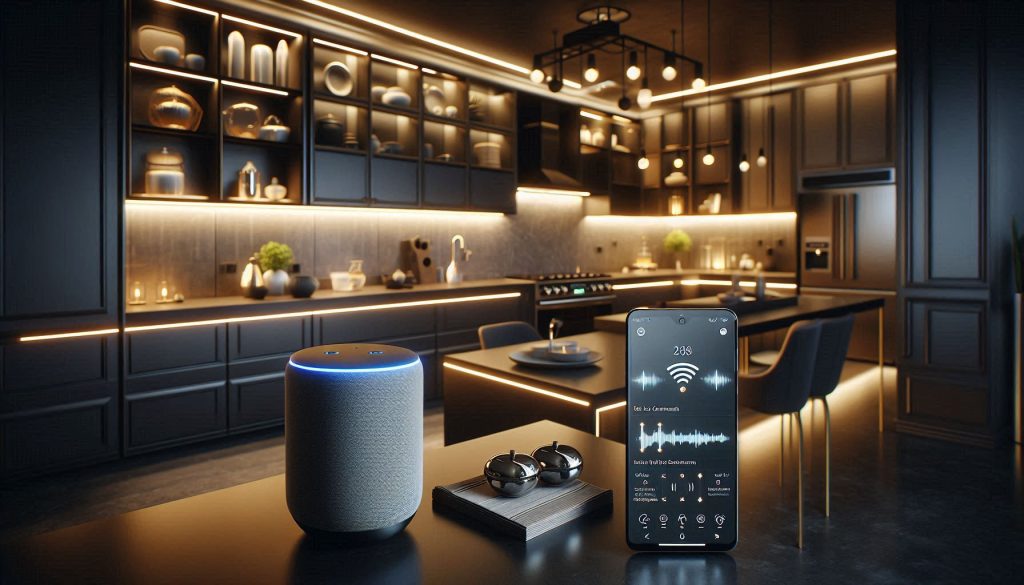
Pair these with a reliable lighting system — Philips Hue Bridge or Lutron Caséta — so lights can flash or come on automatically during alerts.
Network placement & security — keep the system resilient
Protect your kitchen’s smart layer so it’s available when you need it.
Best practices:
Prioritizing sensors & practical automations
Start by protecting the highest-risk zones and automate sensible responses.
Priority order:
Simple automations you can set up today:
With these connectivity and safety pieces in place, your kitchen becomes not just smarter but far more dependable — and you’ll be set to choose smart devices that fit your routine in the next section.
Make Smart Choices that Fit Your Kitchen
The 15 essentials map neatly to your priorities: convenience (smart small appliances and connectivity), precision (cooktops, scales, sous vide), cleanliness (robot vacs, self‑cleaning features), preservation (smart fridges, vacuum sealers) and safety (monitored sensors and locks). Use a simple framework to prioritize: set a budget, match devices to your cooking habits, and confirm ecosystem integration before buying.
Start small — upgrade one zone or workflow first, then expand as you learn what saves time and energy. Track energy use and privacy settings, and balance convenience against data and power trade‑offs. Buy thoughtfully; iterate gradually to build a smarter, sustainable kitchen. Enjoy the process and let real benefits guide future purchases. Share your successes with friends.
Solid guide — made me rethink a few things for the kitchen remodel.
Here’s what I’m planning to keep from the list:
– Smart oven (for consistency)
– Fridge sensor for produce
– A decent smart scale + recipe integration
Couple of questions for folks: which smart oven brands do you trust for longevity? And any recommendations for a fridge sensor that doesn’t require a monthly fee? Also, I’d love tips on keeping the smart ecosystem simple — I don’t want to juggle 7 apps.
Thanks!
For ovens, I’ve had a good run with a non-proprietary brand that supports local control and HomeKit. No monthly fees and solid customer service.
Robert, we recommended a few ovens in the full article that have strong reliability reviews (brand names omitted here), and for fridge sensors look for Bluetooth/local storage options to avoid subscriptions. For simplifying apps, a smart home hub (or using devices compatible with the same ecosystem like Google Home or HomeKit) can consolidate controls.
Fridge sensors: look for models that store data locally or sync to an open API. Avoid ones labeled ‘cloud exclusive’ if you hate subs.
Consolidate with IFTTT or use a hub like SmartThings. It took me a weekend to set up but now it’s one app for most stuff.
Big fan of the small appliances bit — the precision tools (scale, immersion circulator) changed my weeknight cooking game.
Quick shoutout: a basic sous vide setup is cheaper than people think and makes batch-cooking so easy. If you’re into meal prep, it’s worth it.
Agreed. For meal prep, sous vide + vacuum sealer = magic. Less guesswork, consistent results.
Totally — sous vide is one of those smart prep tools that delivers real, immediate benefits. We tried to highlight budget-friendly options too.
Useful list. I’m a bit old-school and worry smart kitchens will mean more things to break. Also privacy — cameras in devices? no thanks.
This was a good read but I laughed at the idea of a toaster ordering bread for you. Like, what year are we living in? 😆
On the serious side: compatibility is my main worry. I don’t want to buy a robot vacuum that can’t ‘talk’ to my smart assistant or my light switches. The ‘Make Smart Choices that Fit Your Kitchen’ section was the best — practical, not hype.
A couple of observations:
1) Price vs. value: some items are worth the extra cash (precision cooker, good smart oven). Others? maybe not.
2) Privacy: devices with cameras or microphones should be scrutinized.
3) Longevity: how long do these gadgets actually last?
Anyone else think we’re getting into appliance-overload? Or am I just grumpy and behind the times?
You’re not alone — many commenters raised compatibility, privacy, and longevity concerns. The guide recommends focusing on core features you’ll use daily and verifying ecosystem compatibility before buying.
Longevity: look for brands with replaceable parts and good warranties. Cheaper smart gadgets often die quicker.
Appliance-overload is real. I prioritize based on time-saved vs complexity. If it saves me 10+ minutes daily, it’s probably worth it.
I feel you. Bought a bunch of ‘smart’ stuff and ended up returning one device because it wouldn’t integrate with my ecosystem. Lesson learned: check compatibility upfront!
Toaster ordering bread = peak future lol. But seriously, simple interoperability checks save money.
This guide was fun and useful, but omg the cleaning gadgets section made me want to buy ALL the things 😂
I have a robot mop + vacuum and it’s a lifesaver — though sometimes it decides to nap under the sofa and needs rescuing. The smart dishwasher idea seems neat, but does anyone actually use the app to schedule cycles? I just hit ‘start’ and go make coffee 😅
Also, small typo in the ‘Smart Prep’ heading — maybe “Precision and Convenience” got duplicated? Or was that just me being tired? 😴
I use the app mostly for notifications — like if the dishwasher finishes or if there’s an error. The scheduling is a bonus, but not essential for everyone.
I schedule my dishwasher cycles from the app when I’m at work so it finishes right before I get home — very handy for evening routines.
Same here! Scheduling is great if you have a busy timetable. But if you don’t, yeah just hit start 😂
Thanks for catching the duplicate heading, Lisa — we’ll fix that. Great point about robot vacuums needing occasional babysitting; we added a note about obstacle avoidance and mapping features in v2 of the guide.
On typos: I noticed that too. Small stuff, but it helps with credibility. Otherwise great list!
Robot naps are real. Try setting a no-go zone under the couch if your model supports mapping — saved me so many rescue missions.
Nice roundup — I loved the smart food storage section.
I’ve been meaning to get one of those fridge sensors that tells you when veggies are going off. The waste-saving angle is huge.
Two things that worry me: subscription fees for cloud features, and what happens if the Wi‑Fi drops (do my oven presets vanish?).
Anyone else freaked out by the idea of your oven being an app? 😂
Also, pro tip: if you pair a smart scale with a recipe app it actually cuts down on food waste more than you’d think.
Subscriptions are the worst. I avoid anything that locks features behind a monthly fee. Buy devices with good local controls and open protocols if you can.
I had the opposite experience — my smart oven kept presets fine even when the internet was flaky. But my app lost remote start. So the oven worked, just no remote control. Worth testing at the store or looking for ‘works offline’ in reviews.
Great point, Mark. The article mentions offline modes for a few appliances — many will retain basic functionality without cloud access, but features like remote monitoring or firmware updates need connectivity. Checking ‘local control’ in specs helps avoid surprise subs.
Love the connectivity/safety section. Quick question though — the guide mentions ‘over-the-air updates’ for appliances. Are those safe? Could an update brick my fridge or oven?
Been trying to balance getting new features vs the ‘leave well enough alone’ approach.
Great question. OTA updates are generally safe and provide bug fixes and security patches, but they can introduce issues in rare cases. Tips: pick brands with good update track records, read update notes, and avoid automatic updates if you want to control timing.