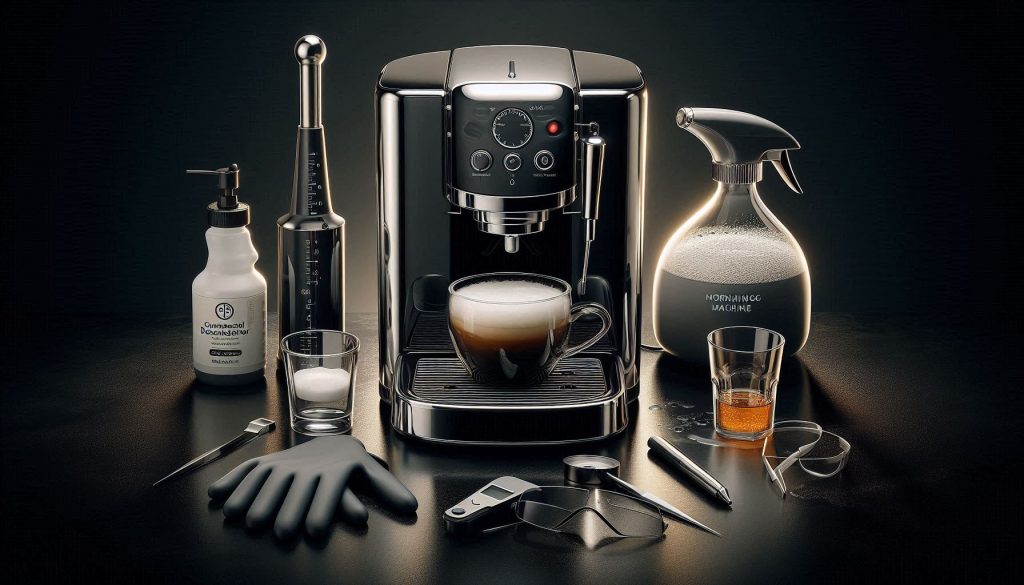
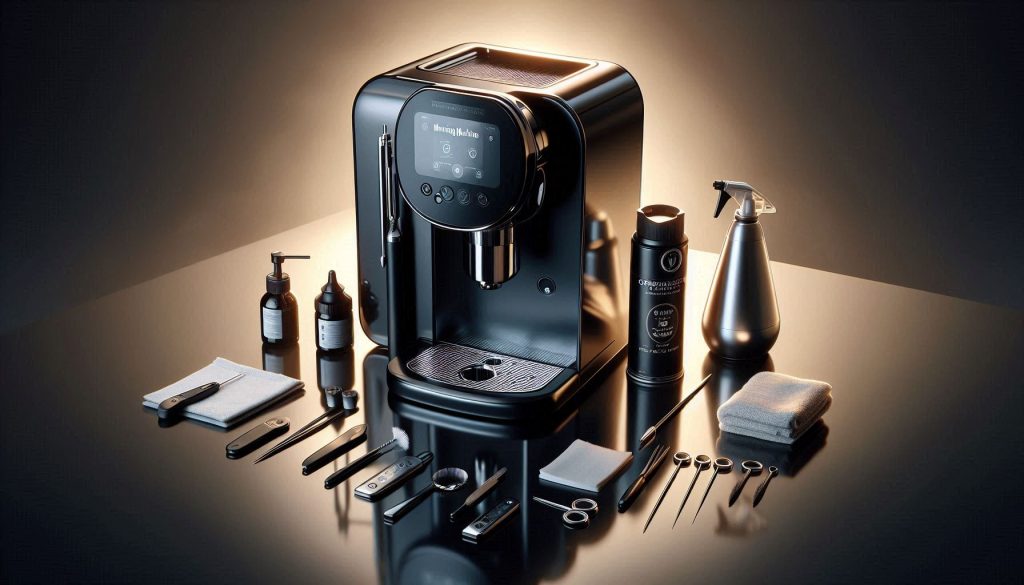
For coffee enthusiasts, the Morning Machine represents the pinnacle of specialty pod brewing, offering precision control over pressure and temperature. However, even the most sophisticated hardware is vulnerable to the silent performance killer: mineral scale. As calcium and magnesium deposits build up within your machine’s internal thermoblock and delicate water paths, they act as an insulator that destabilizes brew temperatures and constricts flow. To maintain the Home Luxury experience you invested in, learning the “why” and “how” of regular maintenance is essential for preserving the nuanced flavor profiles of high-end specialty capsules.
In this ultimate guide, we provide a data-driven roadmap to descaling the Morning Machine safely and effectively. You will discover the science behind mineral accumulation, how to choose the right acidic agents to protect your machine’s seals, and a professional step-by-step protocol to restore factory-standard performance. By monitoring key metrics like flow rate and thermal stability, you can extend the lifespan of your machine and ensure every cup delivers the precise TDS and extraction quality the Morning Machine is famous for.
Why descaling is essential for your Morning Machine
You rely on your Morning Machine (Specialty Pods) for consistent flavor, temperature stability, and reliable operation. Over time, mineral scale—calcium and magnesium—collects inside water paths and on heating surfaces. Scale reduces flow, alters taste, increases energy use, and raises the risk of failures.
This guide gives you a practical, data‑minded roadmap to descale safely and effectively. You’ll learn how scale forms, the chemistry and measurement of descaling, when to act, how to choose the right descaler, a step‑by‑step protocol for the Morning Machine, troubleshooting tips, and preventive maintenance to extend machine life. Clear metrics and practical checks help you verify success and avoid overuse of chemicals. Read on to get started.
1
How scale forms and how it affects your specialty pod machine
Scale impacts both performance and taste — keep your Morning Machine pristine for perfect specialty coffee every time.
Where scale actually accumulates
Scale forms when hard water (calcium and magnesium bicarbonates) is heated, decomposes, and leaves solid residue. In a Morning Machine you’ll most often find it on:
heating element or boiler surfaces (fastest buildup due to high temperature)
brew chamber, pod seat, and nozzle assemblies (restricts spray and contact)
internal tubing and check valves (narrows flow path)
vapor paths and steam wand components (if your machine steams milk)
How that buildup changes machine physics
Scale is an insulator and a flow constrictor. Even a thin, patchy film can:
reduce thermal transfer efficiency (a buildup of 0.5–1 mm can measurably slow heat flow, often reducing delivered brew temperature by several degrees depending on design)
increase pump run time and pressure cycles as flow resistance rises
force heaters to run longer and more frequently, increasing energy draw and wear
Measurable performance losses you can test at home
You don’t need lab gear to detect performance degradation. Simple, repeatable checks:
Brew temperature: use an instant-read thermometer at the cup. If you’re 3–5°C below the machine’s spec, suspect scale.
Dispense time: time a standard shot (e.g., 40–50 mL). Increasing times indicate flow restriction.
Visual/taste cues: visible white flakes at the pod chamber, sour/under‑extracted flavor, or inconsistent crema in capsule machines (Nespresso OriginalLine/Vertuo, Keurig K-Elite).
Energy/idle behavior: longer warm‑up times or more frequent heater cycling (common report from Breville/Nespresso hybrid owners).
Quick, actionable tip
If brew temperature and flow both drift, prioritize descaling before replacing parts. A technician’s invoice is almost always costlier than a properly performed descaling—and it often prevents premature pump or heater failure.
Continue to the chemistry and measurement section to learn how to confirm and reverse these changes.
2
The science of descaling: chemistry, temperature, and measuring effectiveness
The science of descaling: chemistry, temperature, and precision measurement keep your specialty coffee machine performing at its best.
How descaling chemistry actually works
Descaling removes mineral carbonate deposits by three complementary mechanisms:
Acidic dissolution — weak acids (citric, lactic, acetic, or proprietary formulations) protonate carbonate minerals, turning solid CaCO3/MgCO3 into soluble salts and CO2 gas that detach from surfaces.
Chelation — chelating agents (citrate, gluconate, EDTA variants in some commercial products) bind Ca2+/Mg2+ ions, keeping them soluble and preventing re‑precipitation.
Surfactant‑assisted removal — mild surfactants loosen organic films and wet scale surfaces so acids/chelators can attack more uniformly.
Each mechanism targets different parts of the deposit: crystals, complexed hardness, and biofilm/coffee oils. Commercial products (e.g., Urnex Dezcal, Durgol Swiss Espresso, Keurig Descaling Solution) combine these approaches for speed and material compatibility.
Why temperature and contact time matter
Reaction rates increase with temperature: warm solutions (roughly 40–60°C) accelerate dissolution and chelation without stressing seals. Contact time is equally critical — short flushes remove surface scale; extended circulation or low‑pressure soaks (10–30 minutes) let the chemistry reach tight passages. Don’t use boiling solutions or prolonged exposure beyond manufacturer guidance — gaskets and plastics can degrade.
Measuring effectiveness at home
Quantitative, repeatable checks let you verify success:
Visual inspection: nozzle, brew chamber, and swirl marks should be free of white or chalky deposits.
Thermal check: measure brew temperature with an instant‑read thermometer (e.g., ThermoWorks Thermapen). Restoration of 3–5°C toward spec is a good sign.
Flow rate: time a standard dispense (e.g., 40–50 mL). Stable, manufacturer‑expected flow indicates cleared passages.
TDS/conductivity: use an affordable handheld meter (HM Digital TDS‑3 or TDS‑EZ). Record pre‑descale and post‑flush values — expect more consistent, repeatable readings once extraction returns to normal.
Simple protocol: record temp, flow time, and TDS before descaling; perform recommended cycles at warm temperature and proper contact time; flush thoroughly; re‑test. The next section explains when to run those tests and build a data‑driven descaling schedule.
3
When to descale: recognize symptoms and build a data-driven schedule
Recognize warning signs and build a precise, data-driven descaling schedule for your specialty coffee machine.
Recognize the clear warning signs
You don’t need guesswork. Watch for these objective, actionable indicators:
Longer brew time (measure a standard dispense; +20% is meaningful)
Fluctuating or consistently lower outlet temperature (≥3°C drop)
Visible chalky residue in the pod chamber, spout, or water tank
Reduced or irregular flow rate
Descale/warning lights or machine error codes
These are the triggers that should move you from “maybe” to “do it now.”
Test local water hardness (quick and reliable)
You can use one of three practical routes:
Municipal data: search “water hardness [your city]” — gives mg/L (ppm) or grains/gal.
Test strips: consumer kits (e.g., Hach or LaMotte-style hardness strips) — cheap and fast.
Laboratory or certified test: for exact mg/L CaCO3 if you want precision.
Record hardness as mg/L CaCO3 (or convert grains: 1 grain/gal ≈ 17.1 mg/L).
Build a simple, data-driven schedule
Use manufacturer guidance as your baseline, then scale by your water hardness and usage with this proportional adjustment:
Adjusted interval = Manufacturer interval × (Baseline hardness ÷ Your hardness) × (Baseline weekly cycles ÷ Your weekly cycles)
Example: If the manual says “descale every 3 months at 120 mg/L and 30 cycles/week,” and you have 200 mg/L and 45 cycles/week:
3 months × (120/200) × (30/45) ≈ 1.2 months
Track metrics and automate reminders
Keep a simple log (spreadsheet or app) with date, hardness, cycles since last descale, brew time, outlet temp, and TDS. Set threshold alerts:
Temp drop ≥3°C
Dispense time +20%
Visible residue or descaling light
Over a few cycles you’ll convert reactive fixes into a predictable preventive rhythm tailored to your water and use.
4
Choosing the right descaler: commercial products, food-safe DIY options, and what to avoid
Choose the right descaler: food-safe DIY options, commercial products, and professional espresso formulations for optimal maintenance.
Descaler categories at a glance
You’ll choose between several proven categories. Quick trade-offs to guide you:
Food‑grade citric acid (powder)
Efficacy: Good for light-to-moderate scale; dissolves calcium carbonate reliably.
Compatibility: Gentle on aluminum, stainless, most plastics and seals.
Residue/odor: Low residue, mild citrus smell; easy to rinse.
Real-world note: baristas often use 1–2 tbsp per liter for a fast, low-odor descale.
Efficacy: Fast action, engineered contact time and chelation for portafilters/thermoblocks.
Compatibility: Check manufacturer compatibility list—best for high-end machines.
Example: professional shop products marketed for group heads and boilers.
Household options and DIY
White vinegar (5–8% acetic acid): inexpensive and accessible, but leaves odor and can harm some rubber components over repeated use—use sparingly and rinse thoroughly.
Food‑grade citric acid powder: a preferred DIY option—effective, low-odor, inexpensive, and food-safe when rinsed properly.
Strong mineral acids (hydrochloric, sulfuric) — can pit metal and destroy seals.
Bleach (sodium hypochlorite) — reacts with other chemicals and damages gaskets; toxic residues.
Abrasive powders or wire brushes — mechanically damage surfaces and seals.
How to read product labels (quick checklist)
Active ingredient and concentration
Explicit compatibility with coffee/espresso equipment
Required contact time and dilution ratios
Rinse instructions and PPE recommendations
Certifications or food-contact safety claims (NSF/ANSI if present)
Next, you’ll get a step‑by‑step protocol tailored to the Morning Machine so you can apply the safest, most effective option you selected.
5
Step-by-step descaling protocol for the Morning Machine (Specialty Pods)
Step-by-step descaling protocol for the Morning Machine: preparation, circulation, soaking, rinsing, and post-verification for optimal performance.
This is the practical core you can follow reliably. Follow each stage, document readings before/after, and adapt by the decision points provided.
Preparation & PPE
Put on chemical-resistant gloves and safety glasses.
Work in a well-ventilated area; lay down absorbent towels under the machine.
Remove pods, empty drip tray and used-pod bin; have a graduated container and thermometer ready.
Pre-rinse and baseline measurements
Run one or two plain‑water brew cycles (250–500 mL total) to clear loose debris.
Record baseline metrics: brew time for a standard pod, flow rate (mL/sec), output temperature (°C), and a short taste note.
Tip: these three numbers are your before/after validation points.
Mix the descaler (decision point: product choice)
Use the product label dilution. If using food‑grade citric acid: 10–20 g/L (≈1–2% w/v). Commercial options: Urnex Dezcal or Cafetto per label.
Prepare only the volume needed to fill the reservoir to the machine’s maximum.
Descale cycles and contact strategy
If your machine has a “descale mode,” enable it. If not, manually run brew cycles.
Circulate solution through heater/thermoblock so it contacts all lines:
Run a brew cycle, then pause for 5 minutes; repeat until reservoir is emptied (typical: 3–6 cycles).
Ensure a minimum contact time of 15 minutes total; for heavy scale, extend to 30 minutes.
Soak removable parts (water tank, drip tray) in descaler solution for 15–30 minutes, then rinse.
Rinse and flush (decision point: taste/odor threshold)
Refill with fresh water and perform at least 2 full tank rinses (5–10 brew cycles recommended).
Measure until water has no sour odor and taste is neutral.
Recommended tolerance: final rinse should remove any acid taste; if you detect sourness, continue rinsing.
Post‑descale verification and documentation
Re-measure flow rate, brew time, and output temperature. Expect flow improvement ≥10% or return to factory performance; temperature within ±5°C of pre‑descale baseline (or better if scale previously reduced heat transfer).
Taste-check with plain hot water and then a pod. Log before/after numbers and notes.
If metrics fail thresholds, repeat a shorter descale cycle or consult troubleshooting.
Example real-world: shops using Urnex often note a 15–25% increase in flow and a 3–8°C rise in brew temperature after an effective descale — document to validate your Morning Machine’s recovery.
6
Troubleshooting common issues and post-descale checks
Troubleshooting common issues after descaling: check for residual taste, flow restrictions, leaks, and heating performance to ensure optimal machine recovery.
Residual taste or sour odor
If you still detect sourness or chemical smell after rinsing, don’t assume failure—triage first.
Re-run a short descaling cycle with increased contact time (add 10–15 minutes) and then perform at least 4–6 full-tank rinses.
Use pH strips on the first rinse water; a neutral pH (~6.5–7.5) indicates acid removal. pH below 6 suggests more rinsing.
Clean removable components (water tank, pod cradle, drip tray) in warm soapy water or a dishwasher‑safe cycle. Coffee oils trapped in the pod head can mimic “chemical” off-flavors—use a soft brush or a toothbrush to scrub the shower screen.
Example: shops using Urnex report that a 2nd short descale plus six rinses removed lingering sour notes in 90% of cases.
Re-measure flow (mL/sec) and compare to your baseline. If <10% improvement, extend descale contact time or repeat cycles.
Inspect and clean nozzle/shower screen, solenoid valve and accessible tubing. Use a pick or thin brush to dislodge deposits and a can of compressed air to blow lines clear.
Check for partially clogged one-way valves or mesh filters; replace if visibly damaged.
Tools to keep: small pick set, compressed-air can, replacement shower screen (OEM or compatible).
New leaks, drips or seal failures
A leak that appears after descaling often points to degraded seals exposed by the cleaning process.
Dry-run the machine with towels and watch to locate the source (tank seam, hose clamp, O‑ring).
Replace brittle or flattened O‑rings with food‑grade silicone replacements; lightly lubricate with FDA‑grade silicone grease on reassembly.
If the leak is internal (drips under the chassis), stop using the machine and escalate.
Heating element and electrical checks
If temperature hasn’t recovered after scale removal:
Verify output with an infrared thermometer (e.g., Fluke 62 MAX). If temperature is low but flow is good, the heating element or thermostat may be failing.
Check for persistent error codes or no-heat conditions. If you’re comfortable, a qualified technician can test element continuity with a multimeter—otherwise escalate.
When to escalate to authorized service
Call service when you see:
Internal leaks, electrical faults or no heat after troubleshooting.
Repeated flow/temperature failure despite thorough cleaning.Provide your service team with: baseline/after measurements, photos, descaler used, number of cycles and the machine serial—this speeds diagnosis and preserves warranty options.
7
Preventive maintenance to minimize scale build-up and extend machine life
Preventive maintenance essentials: treat water, run routine rinses, clean removable parts, and track metrics to minimize scale build-up and extend machine life.
Treat your water upstream
Prevention starts with the water you pour in. Use the simplest effective option for your situation:
Pitcher or faucet filters (Brita, PUR, ZeroWater) for point-of-use improvement; ZeroWater gives the lowest TDS but needs more frequent filter changes.
Inline cartridges (Everpure/3M, Culligan inline models) for countertop or plumbed machines — choose a cartridge rated for scale control or ion exchange.
Whole-house or dedicated salt-based softeners (Fleck 5600SXT-style systems) when municipal hardness is very high.
Measure before you buy: test hardness or TDS with test strips and a TDS meter (HM Digital TDS-3 is a common, affordable option). Aim for TDS <50–100 ppm to meaningfully slow scaling.
Monthly and daily routines
Small, repeatable habits cut descale frequency dramatically.
Run a monthly full-tank rinse cycle (no pod) and discard water to flush suspended minerals and biofilm.
Never leave standing water in the reservoir overnight; empty and dry if the machine won’t be used for 12+ hours.
Clean removable parts weekly (tank, drip tray, pod cradle) and replace worn O‑rings.
Store pods in a cool, dry, sealed container; avoid humid kitchens or open bins where moisture accelerates problems.
Quick example: a busy café that switched to an Everpure cartridge plus a monthly rinse stretched descaling intervals from 4 weeks to 12–16 weeks.
Log, measure, optimize
Keep a simple maintenance log (paper or CSV). Record:
Water source and TDS/hardness
Descale dates and product used
Brew time, flow rate, outlet temp (weekly spot-checks)
Notes on taste or performance changes
Review quarterly. If TDS and flow are stable, extend descale intervals; if trends show rising brew time or lower temp, shorten them. Data lets you move from guesswork to science.
With these preventive controls and a short log, you’ll cut downtime and cost—next, the Conclusion wraps up how to keep your Morning Machine consistently reliable.
Conclusion: keep your Morning Machine performing reliably with routine descaling
By applying the procedures and data-driven checks in this guide, you’ll maintain consistent flavor, temperature stability, and operational reliability. Regular descaling—combined with appropriate water management and simple record keeping—reduces risk of failure and preserves the value of your specialty pod system.
Implement the schedule and verification steps outlined here, log metrics (brew time, flow rate, and taste checks), and verify results with simple tests after each cycle. Over weeks you’ll observe measurable improvements in extraction consistency and fewer service interventions. If you track findings you can refine intervals to match water chemistry and usage. Start now—protect performance, reduce downtime, extend your machine’s usable life, and save on maintenance costs.