
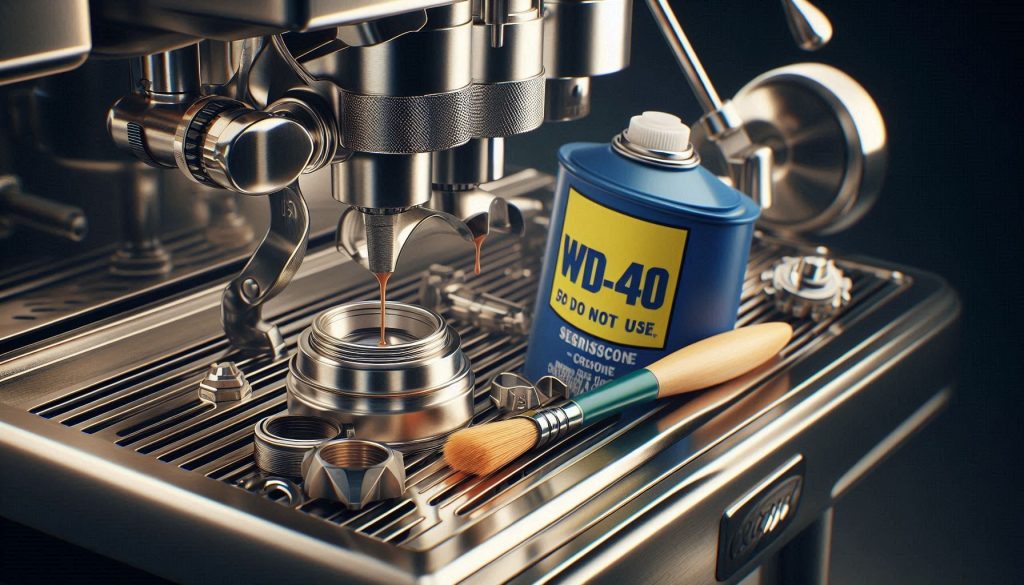
Maintaining a high-end coffee maker requires more than just regular descaling; it demands the right lubrication to ensure smooth mechanical operation and pristine flavor. While many DIY enthusiasts reach for a can of WD-40 to fix a squeaky lever or a sticking valve, using multipurpose solvents on food-contact equipment is a dangerous mistake that can lead to toxic chemical ingestion and permanent seal damage. To preserve your machine’s longevity and your health, switching to an NSF-certified food-grade grease is non-negotiable. These specialized lubricants are engineered to withstand high brewing temperatures and pressure without breaking down or leaching foul-tasting residues into your morning espresso.
This guide explores why professional baristas and technicians strictly avoid household sprays in favor of high-performance alternatives like Krytox or Molykote silicone grease. You will learn the critical differences between NSF H1 and H2 certifications, how to interpret a Technical Data Sheet (TDS) for temperature stability, and the exact application methods for group heads and steam valves. Whether you own a La Marzocco, Breville, or Rancilio, following a science-based maintenance routine will prevent costly downtime and ensure every shot remains free of industrial contaminants.
You rely on your machine every day, so maintenance must protect taste, safety, and function. WD‑40 and similar multipurpose solvents are NOT designed for food-contact equipment. They can leave toxic residues, damage seals, and violate regulatory guidance. Switch to an NSF-certified food-grade grease to reduce contamination risk and preserve parts under heat, pressure, and repeated cleaning.
This article explains why WD‑40 is inappropriate, how food‑grade standards and certifications work, and which grease types suit coffee equipment. You’ll learn selection criteria—temperature range, compatibility, and viscosity—plus correct application, routine schedules, testing methods, and when to call a pro. Follow these steps to make safe, evidence‑based maintenance choices and avoid downtime.
Why WD-40 Is Inappropriate for Coffee Machines
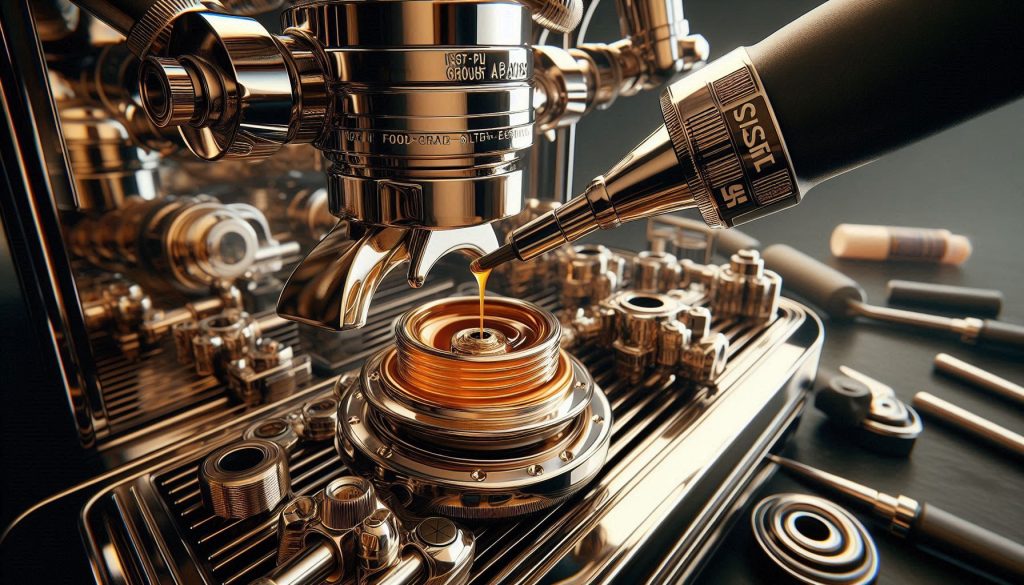
What WD‑40 actually is
WD‑40 and similar sprays are primarily solvent-based penetrants and water displacers with a light, low-viscosity oil carrier. They excel at loosening rust and shedding moisture, not at forming a durable lubricating film. When you spray them into a group head, grinder bearings, or a lever linkage, you get volatility, thin oil, and solvent residues — not the load-bearing protection those parts need.
How residues and off-flavors appear
Solvent carriers evaporate, but they can leave non‑volatile additives and light oils behind. Those residues can:
Baristas and technicians commonly report a soapy or chemical taste after aerosol sprays contact the brew path — a direct sensory sign that residues reached the beverage.
Lubrication vs. corrosion protection: different engineering needs
WD‑40 provides short-term corrosion inhibition but with low film strength and poor shear resistance. Coffee machine bearings, valve stems, and piston seals require:
Food‑grade greases (NSF H1/ISO 21469) are formulated for these tasks: higher dropping points, thicker base oils, and solid additives that maintain film under load. WD‑40 fails where a grease is required.
Real-world compatibility and seal health
Aerosol solvents can swell, harden, or leach plasticizers from seal materials (EPDM, nitrile, Viton). That speeds seal failure and leaks. You want lubricants specified as compatible with your machine model — e.g., La Marzocco Linea, Rancilio Silvia, or Breville Barista Express — and certified for incidental food contact.
Immediate, actionable steps
Next section will explain certification and how to read labels so you pick the right product for each component.
Understanding Food-Grade: Standards, Certifications, and What They Mean for You
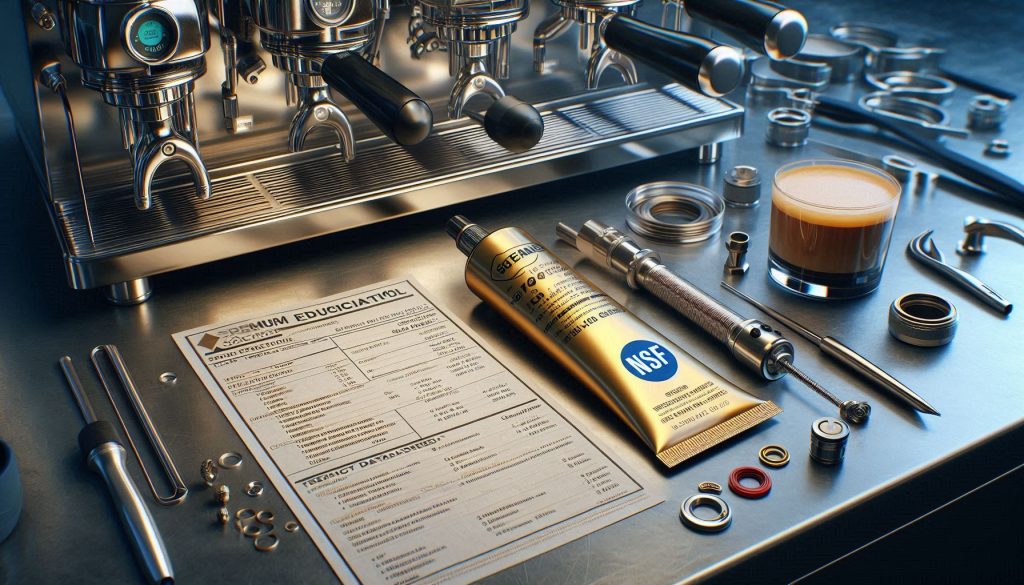
Key certifications you must look for
When you shop, “food‑grade” is more than marketing copy. The two most relevant marks for coffee equipment are:
Other NSF categories exist (H2 for no‑contact lubricants, 3H for release agents). Don’t assume “food safe” unless the product specifically lists NSF H1 (and ideally an NSF registration number you can verify).
Reading the SDS and TDS: the practical checklist
Before you buy, pull the Safety Data Sheet (SDS) and Technical Data Sheet (TDS) from the manufacturer site. Focus on:
A TDS that lists “NSF H1 — registered” plus a downloadable certificate is your fastest reassurance.
Interpreting ingredient lists and limits
Many lubricants use proprietary blends, but you can still verify safety:
NSF H1 allows only trace amounts of substances not intended as food additives; if a TDS or SDS shows significant solvent or hazardous components, reject it.
Quick, actionable verification steps
- Locate the product’s SDS and TDS online.
- Confirm “NSF H1” on the TDS and cross‑check the product name/number on the NSF online registry.
- Check temperature range and dropping point against your application (steam valves need much higher thermal stability than O‑ring lubrication).
- Verify stated seal compatibility with your machine model (Linea, Rancilio, Breville, etc.).
Next you’ll learn which grease families perform best for specific coffee‑machine parts and why.
Types of Food-Grade Greases: Pros and Cons for Coffee Equipment

You’ve seen the certifications to check — now match grease families to the parts in your machine. Below are the main food‑grade grease types, their measurable strengths/weaknesses, and where they belong.
Silicone-based greases
Practical note: common for O‑rings, group‑head seals, and low‑temperature static seals. Example: Molykote/Dow Corning silicone greases are widely used — verify NSF H1 labeling.
PFPE (perfluoropolyether) greases
Practical note: best for high‑temp steam valves, piston rings, and any part exposed to direct steam. PFPE greases tend to last longest but cost more. Many technicians prefer PFPE for steam valve longevity — confirm NSF H1 status on the product.
Polyurea and synthetic hydrocarbon (PAO/PTFE) greases
Practical note: polyurea excels in low‑to‑moderate temp rotary bearings and gear boxes where shear and adhesion matter. Synthetic hydrocarbon/PTFE greases (e.g., Super Lube food‑grade) are cost‑effective for hinge points and light bearings.
Matching grease to component (quick guide)
Practical trade-offs & lifespan expectations
PFPE = longest life, highest cost; silicone = mid‑cost, easy to apply; polyurea/hydrocarbon = cheapest, best for mechanical bearings. Expect re‑lubrication cycles from monthly (high use, exposed parts) to annually (PFPE on steam valves); always verify NLGI grade and NSF H1 on the TDS before you buy.
Selection Criteria: Temperature, Compatibility, Viscosity, and Performance Metrics
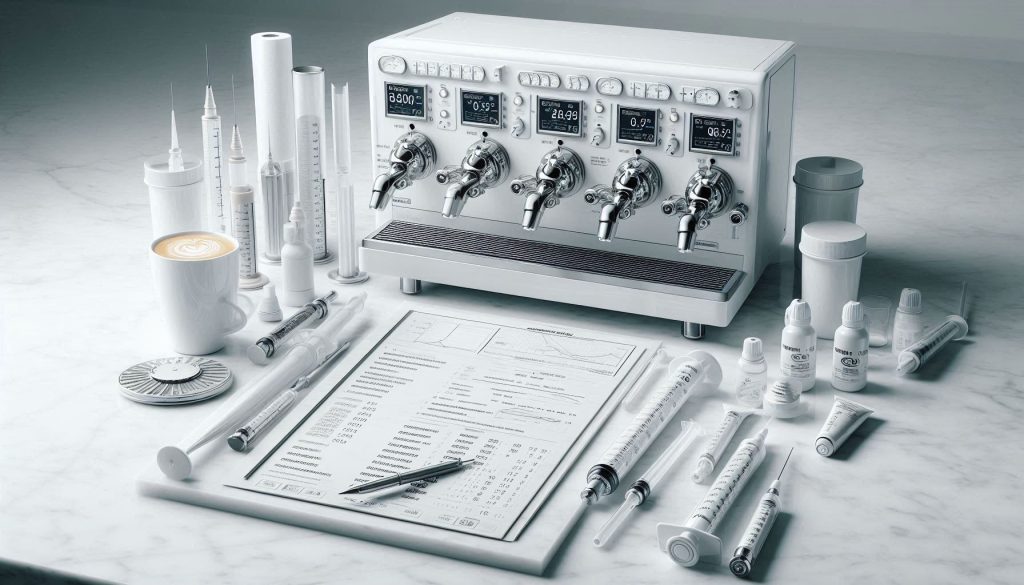
You need quantifiable specs so you can compare greases instead of trusting marketing. Below are the key measurable criteria, what to look for on a technical data sheet (TDS), and quick product examples to ground the numbers.
Operating temperature range
NLGI consistency and viscosity
Shear‑thinning and mechanical stability
Dielectric properties
Water resistance / washout
Elastomer compatibility
Quick checklist (use when comparing products)
Armed with these numbers you can shortlist candidates (for example, a PFPE with high temp range and near‑zero washout, or a silicone grease listed for your seal compound). Next, you’ll learn exactly how to apply the grease and build a maintenance rhythm that preserves seals and performance.
How to Apply Food-Grade Grease and Build a Maintenance Routine
Tools, prep, and safety
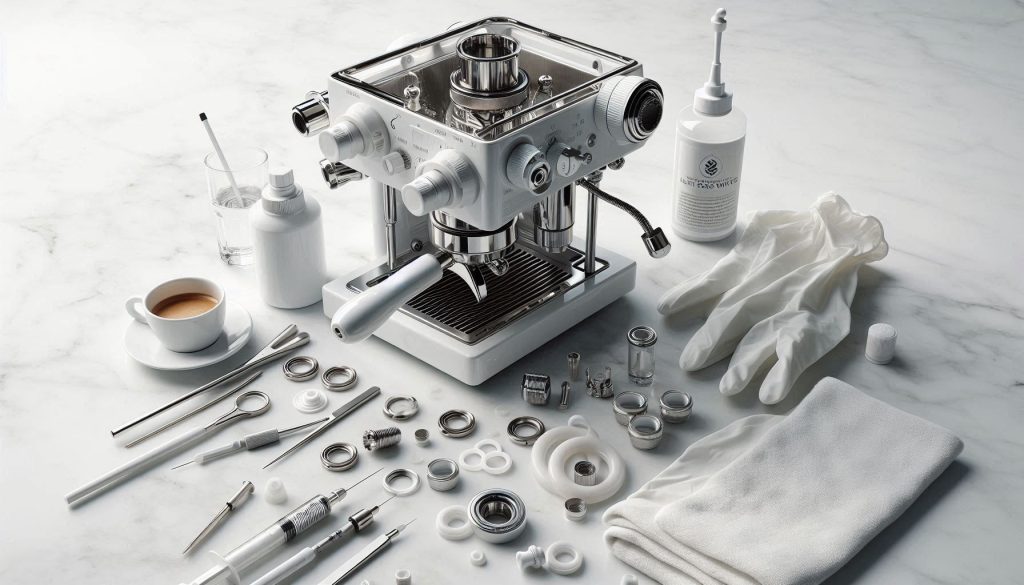
Surface preparation (step‑by‑step)
Clean workspace, nitrile gloves, lint‑free wipes, 90%+ isopropyl alcohol, small brush or dental pick, 30–60 cc grease syringe or cartridge gun, blunt applicator tips (18–20G), and small disposable spatula. Use only greases you’ve verified as food‑grade and compatible with the machine’s elastomers.
- Isolate and power down the machine; relieve steam/pressure.
- Remove the component (brew group, valve shaft, O‑ring) if manufacturer allows.
- Wipe away old grease and coffee residue with a lint‑free cloth moistened with alcohol.
- Inspect seals and mating surfaces for wear or contamination; replace damaged parts.
- Allow surfaces to dry completely before applying new grease.
Zone‑specific application techniques
Correct quantities & anti‑overgreasing rule
Less is better: aim for a thin film or a pea‑sized deposit per small bearing/seal. Over‑greasing collects grounds and carbonized oils, increasing contamination risk.
Maintenance schedule & record keeping
Keep a log: date, component, grease SKU and batch, quantity, technician, inspection notes, and next due date. Include checkpoints: visual residue, smoothness of motion, seal elasticity, and any off‑flavors.
Next you’ll learn how to diagnose lubrication failures, run basic on‑machine tests, and know when to call a technician.
Troubleshooting, Testing, and When to Call a Professional
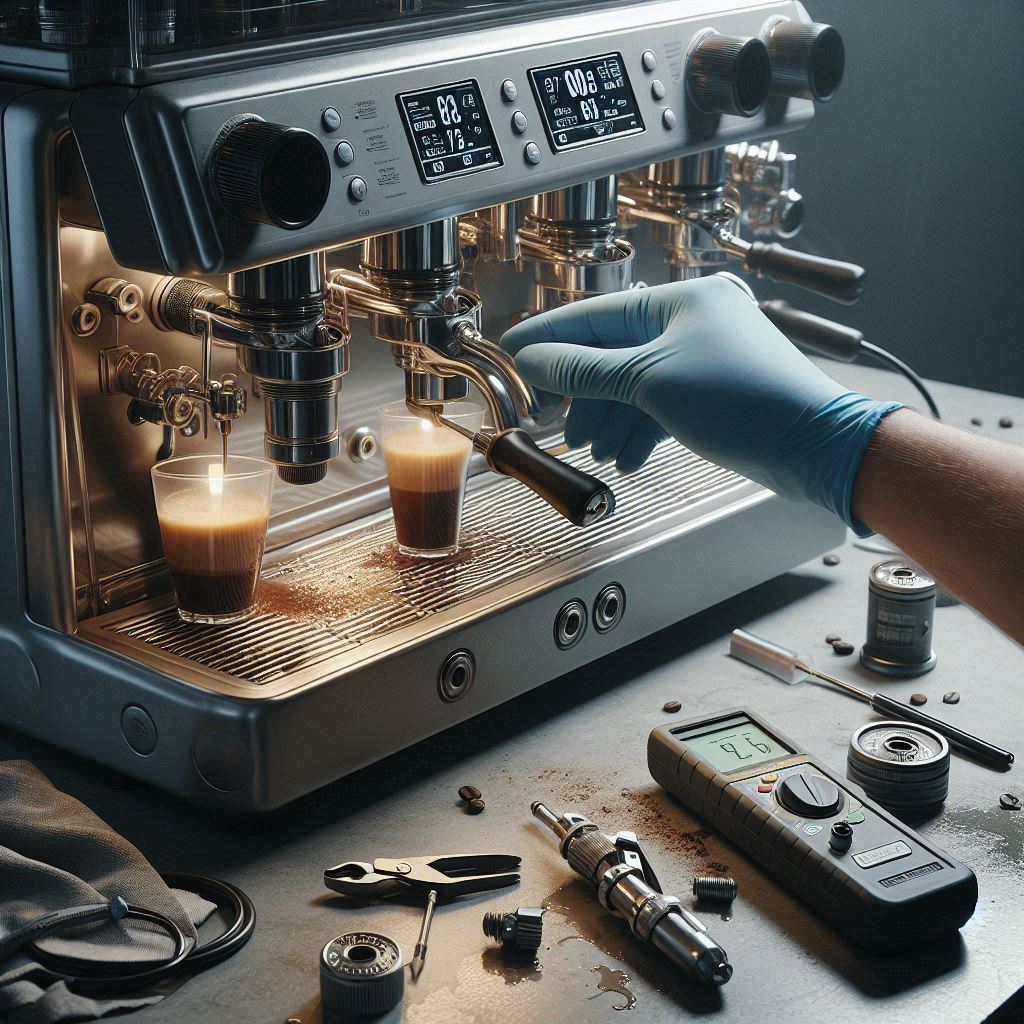
Recognize the warning signs
You’ll usually notice lubrication problems before catastrophic failure. Watch for:
A cafe owner once told me a machine began squeaking between shots; a quick inspection found dried, brownish grease from a non‑food product gumming the brew group. Catching that early saved the pump.
Simple tests you can run yourself
Start with low‑risk checks you can do in minutes.
Interpret results and corrective actions
When to escalate to a technician
Call a qualified service tech or manufacturer when:
Knowing when to stop and call a pro protects safety and avoids costly mistakes—next, the article wraps up with the bottom line on switching to food‑grade grease.
Switching to Food-Grade Grease: The Bottom Line for Your Coffee Machine
Why WD-40 Is Inappropriate for Coffee Machines
What WD-40 actually is WD-40 and similar sprays are primarily solvent-based penetrants and water displacers with a light, low-viscosity oil carrier. They excel at loosening rust and shedding moisture, not at forming a durable lubricating film. When you spray them into a group head, grinder bearings, or a lever linkage, you get volatility, thin oil, and solvent residues—not the load-bearing protection those parts need.
How residues and off-flavors appear Solvent carriers evaporate, but they can leave non-volatile additives and light oils behind. Those residues can:
- Migrate into brew water or seal surfaces, changing extraction and producing chemical off-flavors.
- Attract coffee oils and grit, creating gummy deposits that trap bacteria and lead to hygiene issues.
Lubrication vs. Corrosion Protection WD-40 provides short-term corrosion inhibition but has low film strength. Coffee machine components like valve stems and piston seals require lubricants that offer:
- Thermal stability under repeated heat cycles (steam temperatures >100°C).
- Resistance to washout from constant water contact and detergent cleaning.
Real-world compatibility and seal health Aerosol solvents can swell, harden, or leach plasticizers from seals (EPDM, nitrile, or Viton). This speeds up seal failure and causes internal leaks. Using an NSF H1/ISO 21469 certified food-grade grease ensures compatibility with your machine’s delicate internals.
You should stop using WD-40 because it’s not food-safe, alters flavor, and risks seal degradation and machine failure. Choosing an NSF‑certified food‑grade grease improves safety, prevents contamination, maintains correct viscosity at brewing temperatures, and extends component life. Apply per manufacturer torque and dosing guidelines and document intervals.
Food-Grade Grease Selection Checklist
| Feature | Requirement | Why It Matters |
|---|---|---|
| Certification | NSF H1 or ISO 21469 | Ensures the lubricant is safe for incidental food contact and won’t be toxic if it reaches the brew path. |
| Compatibility | Safe for Seals & Plastics | Prevents solvents from swelling or cracking EPDM, Nitrile, or Viton O-rings, which causes leaks. |
| Temperature | High-Heat Resistance | Must withstand steam and brewing temps (up to 200°C+) without melting or evaporating. |
| Application | Precise & Targeted | Focus on the amount, location, and frequency to prevent over-greasing and grit buildup. |
| Safety Action | Discard WD-40 | Multipurpose sprays leave chemical residues that ruin coffee flavor and risk consumer health. |