
To protect your investment and ensure every shot of espresso is as perfect as the first, mastering the maintenance of your Breville Barista Touch is essential. This premium machine relies on precise temperature control and fluid dynamics, both of which are threatened by the inevitable buildup of limescale. In this comprehensive guide, we provide a data-driven approach to descaling—moving beyond simple chores to a deliberate routine that prevents mineral precipitation from clogging your internal boilers and heating elements. By following these expert-vetted steps, you will learn how to maintain consistent extraction and stable boiler temperatures while extending the lifespan of your home luxury equipment.
Effective descaling is about more than just cleaning; it’s about choosing the right chemistry and workflow to avoid permanent internal damage. Many owners unknowingly risk their warranty by using harsh household chemicals like vinegar or bleach, which can corrode sensitive brass components and degrade silicone seals. We break down the science of water hardness, identify manufacturer-approved descaling solutions, and offer a step-by-step safety workflow tailored specifically for the Barista Touch. Whether you are troubleshooting a drop in steam pressure or setting up a preventive maintenance schedule with the help of inline filtration, this guide ensures your machine remains a centerpiece of performance and reliability for years to come.
Protect Your Barista Touch by Descaling the Right Way
Descaling is maintenance, not an optional chore. If you want consistent extraction, stable boiler temperature, and a long-lived Breville Barista Touch, you need a deliberate, data-driven descaling routine. Scale forms when hard-water minerals precipitate inside boilers, heating elements, and pipes. Left unchecked, that mineral build-up reduces thermal transfer, clogs flow paths, and raises pump strain — silently degrading shot quality and shortening equipment life.
This guide shows you how to pick safe descalers, follow a step-by-step workflow for the Barista Touch, and avoid common mistakes that cause costly damage. You’ll also get preventive practices to minimize how often you descale, plus troubleshooting and warranty considerations so you can protect performance and your investment with confidence and minimal downtime each time.
Understand Scale: What It Is and How It Harms Your Machine
What limescale actually is — and where it hides
Limescale is simply mineral deposits (mostly calcium and magnesium carbonates) left behind when hard water is heated. In your Breville Barista Touch those minerals accumulate on the thermocoil/heating element, inside the small boiler passages, around check valves and solenoids, and in narrow flow passages and the group-head area. You might not see deposits until they’ve already altered performance: scale can be crusty and flaky or a thin, cement-like film that sloughs off and clogs downstream parts.
How scale degrades performance (and your shots)
Scale hurts both machine health and espresso quality in predictable ways:
A real-world sign: if your shot time drifts longer while grind and dose stay the same, or your steam power drops after months of use, scale is a likely culprit.
Measure your water so you can prioritize descaling
You can’t manage what you don’t measure. Check hardness by:
Common hardness guidelines (as CaCO3, ppm/mg·L−1):
Practical frequency rule: soft water — descale every 3–6 months; moderately hard — every 2–3 months; hard/very hard — monthly or use a water-softening solution. In the next section you’ll learn how to pick a descaler and which chemistries won’t harm the Barista Touch.
Pick the Right Descaler: Products, Chemistry, and What to Avoid
Manufacturer‑approved vs. DIY citric — a quick comparison
Not all descalers are equal. Your safest first step is the product Breville specifically endorses in the Barista Touch manual or on Breville’s support site (check the exact product name for your region). Manufacturer‑approved descalers are formulated and tested for the materials and narrow passages in your machine.
If you prefer alternatives, two practical categories perform well in home use:
Why household vinegar and undiluted acids are poor choices
Household white vinegar (5% acetic acid) often leaves a persistent odor, can form residues, and is less effective in tight boiler passages. Strong acids (muriatic/HCl, battery acid) or undiluted industrial acids are too aggressive — they can pit brass, strip nickel plating, and swell or soften silicone and rubber seals.
Anecdote: many users report lingering vinegar smell that requires repeated flushing and sometimes replacement of gaskets after using strong, inappropriate acids.
pH, concentration, and material compatibility
How to read labels and choose responsibly
Safety tips
Next, you’ll get a clear, step‑by‑step safe descaling workflow tailored to the Barista Touch — from preparation through final rinse.
Safe Descaling Workflow for the Barista Touch: Preparation to Rinse
Preparation: set up and pre‑checks
Before you start, make the work area tidy and have gloves and a container ready. Do these quick checks:
A real‑world note: users who skipped removing the portafilter later found a puck of scale under the group — avoid that surprise by double‑checking now.
Mix the correct solution and dilution
Use the descaler you chose and follow the label. If you’re using citric powder, typical home dilutions fall in the low single‑digit percent range (e.g., 10–20 g/L), but always match the product instructions. Never overconcentrate.
Run the descaling cycles: brew head then steam circuit
If your Barista Touch has an automated descaling program, use it. If not, work manually:
Monitor constantly for leaks, persistent hissing/gurgling, or metallic knocking. Stop and inspect if you see pooling under the machine or hear abnormal sounds.
How many cycles are typical?
Thorough rinse and purge (critical)
After descaling:
Next, you’ll learn the most common user mistakes that actually cause damage — and how to avoid them.
Avoid These Common Mistakes That Cause Damage
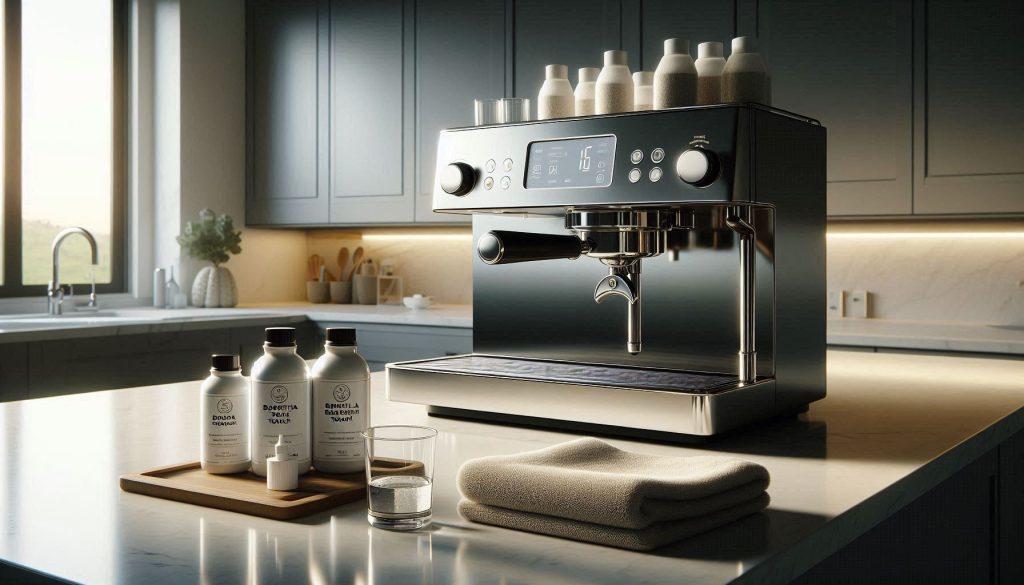
Below are the most frequent—and most damaging—errors people make when descaling the Barista Touch. For each mistake you’ll see why it happens, which parts are at risk (gaskets, sensors, heating elements, pump), and concrete steps to avoid it.
Using vinegar or bleach
Why it happens: people reach for household acids/bleach because they’re cheap and familiar.
Parts at risk: brass/steel heating elements, rubber gaskets, flow sensors, pump seals.
How it damages: acetic acid and chlorine attack metals and elastomers, causing pitting, swelling, and rapid gasket failure. Bleach also produces corrosive fumes when mixed with other cleaners.
Avoid it: use an espresso‑safe descaler such as Urnex Dezcal or Durgol Swiss Espresso; check the product label for espresso machine compatibility.
Over‑concentrating solutions
Why it happens: thinking “more strength = faster results.”
Parts at risk: boiler surfaces, heating element, pump, gaskets.
How it damages: concentrated acid accelerates metal corrosion and softens rubber seals. Users report shortened pump life and brittle gaskets after a single over‑dose.
Avoid it: follow manufacturer dilution exactly. If using citric powder, stick to low single‑digit percent dilutions and never exceed label guidance.
Skipping post‑descale rinses
Why it happens: impatience or underestimating residue.
Parts at risk: water sensors, group head, taste-sensitive parts.
How it damages: leftover descaler continues to corrode parts and ruins flavor; acid residue can weaken gaskets over weeks.
Avoid it: run at least two full tanks of fresh water and taste‑test; if you detect sourness, keep rinsing.
Failing to run descaler through the steam wand
Why it happens: people only descale the brew circuit and forget the steam loop.
Parts at risk: steam valve, small‑bore tubing, steam gasket.
How it damages: scale trapped in the steam circuit blocks valves and raises pressure, stressing pumps and seals.
Avoid it: activate the steam function per the descaling steps and collect expelled solution for safe disposal.
Using abrasive tools on internal parts
Why it happens: trying to “scrape” scale away quickly.
Parts at risk: shower screen, temperature sensors, gasket seating surfaces.
How it damages: scratches cause poor seals and inaccurate sensor readings.
Avoid it: use non‑abrasive brushes or soak parts in recommended solution; never use steel wool.
Descaling without removing milk residues first
Why it happens: assuming descaling alone will clear milk solids.
Parts at risk: steam circuit, milk tube, steam valve.
How it damages: heated milk + acid forms baked deposits that are harder to remove and can harbor bacteria.
Avoid it: purge/clean milk circuits immediately after use and perform a dedicated milk‑system clean before descaling.
Ignoring manufacturer instructions
Why it happens: skipping the manual or improvising.
Parts at risk: everything—plus warranty coverage.
How it damages: incorrect procedures can void warranty and cause preventable failures.
Avoid it: follow Breville’s descaling routine for the Barista Touch or use an authorized service if unsure.
Next, we’ll cover preventive steps you can take between descaling cycles—water, filters, and daily habits that keep scale from building up in the first place.
Preventive Maintenance Between Descaling: Water, Filters, and Daily Habits
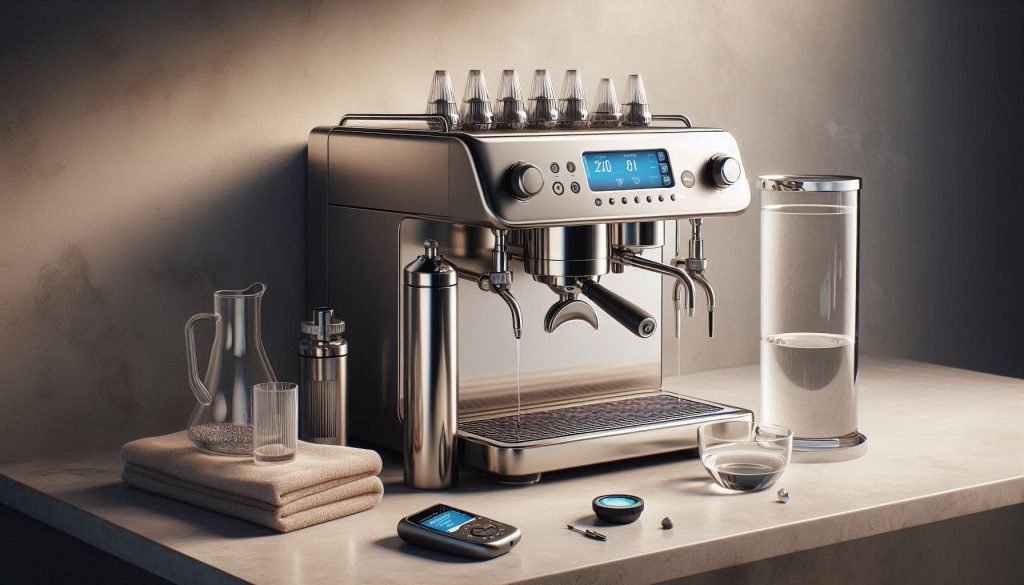
Reducing how often you must do a full descaling starts with controlling what goes into the tank and with small daily/weekly habits that stop scale from ever forming. Below are practical steps, measurements, and frequency guidelines so you can optimize cost, taste, and longevity.
Measure your water first
Quick hardness bands to use:
Choose and maintain filtration or bottled water
Real-world note: many home users with medium hardness who fitted a BWT-style cartridge report moving from 2–3 month descales to 6–9 months.
Daily and weekly habits that matter
How to adjust descaling frequency
Track your water tests, filter change dates, and descaling events in a simple log — it pays back with fewer surprises. Next, we’ll look at troubleshooting and when to stop a maintenance procedure to avoid damage.
Troubleshooting, When to Stop, and How Warranty and Service Are Affected
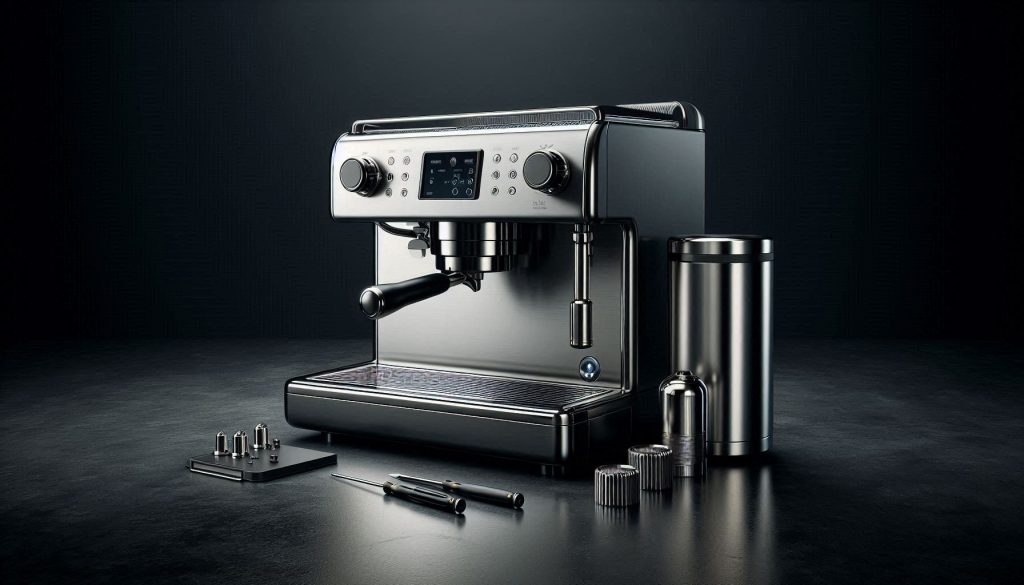
Recognize dangerous warning signs quickly
If descaling or normal use produces any of the following, stop immediately and power down the machine:
These signs often indicate trapped scale, a failing pump, a compromised heating element, or damaged seals — issues that can escalate if you continue.
Safe, first-line diagnostics you can do
What you can safely attempt: extra rinses, reseating the tank, replacing the external water filter, cleaning the steam wand, and re‑priming. What to avoid: opening the chassis, attempting electrical repairs, or forcing components that won’t move.
Warranty risks and what voids coverage
Common warranty‑voiding actions include:
Always check the warranty booklet for manufacturer‑approved descalers and authorized service centers.
How to document the problem (service checklist)
Provide this to technicians to speed repairs:
A good record often separates a covered repair from an out‑of‑pocket fix. Next, learn how to finish strong with regular habits that keep your Barista Touch reliable.
Keep Your Barista Touch Reliable — Descale Smart, Not Hard
Consistent, correct descaling is essential to protect your Barista Touch’s performance and avoid costly repairs. Base your schedule on measured water hardness, use manufacturer‑recommended or proven descalers at the right dilution, and follow the safe workflow with thorough rinsing. Small, regular efforts yield measurable longevity and better espresso extraction.
Adopt preventive habits—filtered water, routine backflushing, and quick daily rinses—to reduce scale buildup and service needs. If you encounter persistent clogs, leaks, strange noises, or warning lights, stop immediately and contact qualified service to preserve your machine and warranty. Keep the routine simple, consistent, and evidence‑based. Schedule descaling based on tests and consult support when unsure. Act sooner now.