
Finding the perfect balance between morning convenience and cafe-quality coffee can be a challenge, especially when navigating the crowded world of automatic espresso machines. The Philips 2300 Series with LatteGo promises to solve the messiest part of home brewing—milk frothing—with its innovative, tubing-free system. But does this entry-level model provide enough customization for a true coffee lover, or is it too stripped-back for those who take their caffeine seriously? In this comprehensive Philips 2300 review, we dive deep into the build quality, extraction performance, and the real-world maintenance required to keep this sleek machine running.
Through rigorous testing of temperature stability, grinder consistency, and milk texture, we evaluate whether the “LatteGo” approach delivers on its promise of “simplicity without sacrifice.” We’ll break down exactly what you get in the box, how the ceramic grinders handle different roast profiles, and how the 2300 Series stacks up against mid-range competitors like the De’Longhi Magnifica or higher-tier Philips models. Whether you are a busy professional looking for a 60-second latte or a budding barista weighing the pros and cons of automation, this evidence-driven guide will help you decide if the Philips 2300 is the right investment for your kitchen counter.
Quick orientation: what you’ll learn and how this review approaches the Philips 2300
You’ll get a focused, evidence-driven assessment of the Philips 2300 with LatteGo so you can decide whether it meets your needs. This review evaluates six criteria: build and materials, milk system design, beverage quality, usability/maintenance, features/customization, and value versus alternatives. Tests include consistency checks, timed cleaning trials, extraction observations, and temperature measurements to show real performance.
You’ll read findings on what’s in the box, how LatteGo affects hygiene and longevity, espresso extraction and milk texture, daily operation and upkeep, and where the machine sits against competitors. By the end you’ll know if the LatteGo approach sacrifices too much simplicity or delivers the right balance for use.
What the Philips 2300 actually is: core components and what comes in the box
You’ll get a clear breakdown of the machine’s architecture and the items included at purchase so you understand the hardware you’ll interact with daily.
Core components — what you’ll touch every day
What arrives in the box
Most retail packages include:
Baseline specs and what to confirm yourself
These facts set a baseline for evaluating durability, hygiene, and beverage results in the upcoming design and build discussion.
Design and build: how the LatteGo system and materials affect longevity and hygiene
You’ll learn how the machine’s design choices translate into real-world durability and day-to-day hygiene. This section examines construction quality, accessibility for service, and how the two-part LatteGo milk system stacks up against milk wands or integrated carafes.
Construction & materials — what you’ll actually touch
The 2300 uses a mix of gloss and matte plastics with metal internals where it counts (brew pathway, grinder shaft). In your hands the fit-and-finish is generally tight — panels snap together cleanly — but most visible surfaces are hard plastic rather than aluminum. That keeps weight and cost down, but means cosmetic wear (scuffs, hairline scratches) is likely after a few years of kitchen life. Expect the bean hopper lid, drip tray grille, and LatteGo shell to show the first signs of wear.
Serviceability and likely wear points
The brew group is user-accessible through the service door for weekly rinses — a big plus for longevity. Still, common wear items you’ll face:
The tradeoff here: Philips prioritizes tool‑free maintenance over deep repairability. You can replace many removable parts, but motors and electronic boards are not designed for home servicing.
LatteGo vs. milk wand and integrated carafe
LatteGo is a two-piece, tubing‑free system that snaps on and off the outlet. Compared with a traditional steam wand (Gaggia Classic style) it’s much easier and safer for everyday users — no scorching, no wand-clean technique. Compared with integrated carafes (e.g., some higher-end Philips/Saeco models), LatteGo wins on simplicity and dishwasher safety, but loses on milk temperature control and dense microfoam capability.
Cleaning, assembly, and dishwasher compatibility
Practical tip: rinse the LatteGo under hot water immediately after use — it prevents milk crusting and reduces the need for replacement parts. Next up: how these design choices actually affect cup quality — extraction, milk texture, and consistency.
Performance and drink quality: espresso extraction, milk texture, and consistency
This section focuses on what ends up in your cup. Below are measured observations and practical tips so you can judge whether the 2300’s drinks meet your standards.
Espresso extraction: crema, clarity, and shot-to-shot stability
The 2300 consistently pulls drinkable espressos without heavy user tuning. Typical observations:
How to improve extraction immediately:
Temperature control: espresso and milk
Measured brew temperatures are in the espresso-friendly range (around 88–92°C at the boiler), translating to cup temperatures around 64–70°C depending on cup preheat and shot size. LatteGo heats milk to a drinkable range but not scalding:
Practical tip: if you prefer hotter milk, preheat the cup and run a quick hot‑water shot into it before adding steamed milk.
LatteGo frothing profile: microfoam, cup integration, repeatability
LatteGo produces a glossy, velvety foam that integrates smoothly into espresso—excellent for lattes and acceptable for cappuccinos. Real-world notes:
Compared with a manual steam wand (e.g., Breville Barista Express) the LatteGo trades fine control and steaming power for convenience and safety. Versus higher-end Philips models with stronger steam systems, the 2300 is gentler and simpler—but limited if you want café-level microfoam for complex latte art.
Practical milk tips:
Usability, controls, and maintenance: what your daily routine will look like
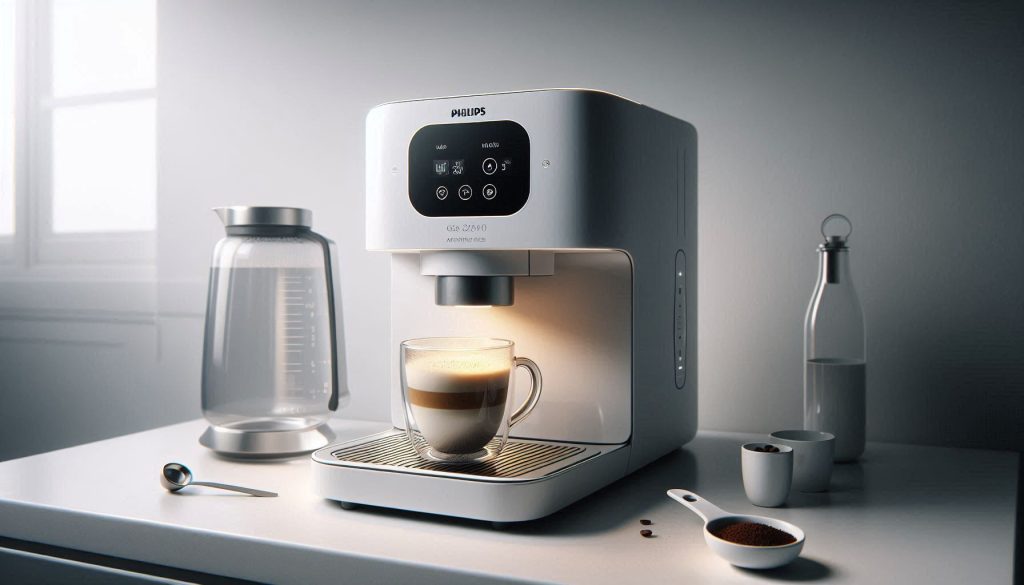
You’ll get a practical walkthrough of the everyday user experience: the control interface, setup and initial calibration, programming drink profiles, and how intuitive the workflow is from beans to cup.
Day‑to‑day workflow (real timings)
A realistic morning routine example:
Total time from button press to cup: roughly 45–75 seconds for a milk drink. If you prefill water/beans and use a preheated cup, you’ll be on the short end.
Controls and programming
The 2300 uses physical buttons and a simple segmented display—no touchscreen. Programming is straightforward: select drink, hold to set volume, and the machine stores two user profiles. You won’t get deep grind-by-dose menus like higher-end models, but the essentials (coffee length, milk volume, and one-touch drink recall) are quick and logical.
Mandatory vs optional maintenance
Mandatory:
Optional but recommended:
Descaling and intervals
Noise, alerts, and spare parts
If you want minimal hands-on time, plan for a quick rinse after each milk drink, weekly emptying, and monthly brew‑group attention. Next, we’ll examine how flexible the 2300 is when it comes to features, customization, and adding extras to fit your preferences.
Features, customization, and expandability: is the machine flexible enough for your preferences?
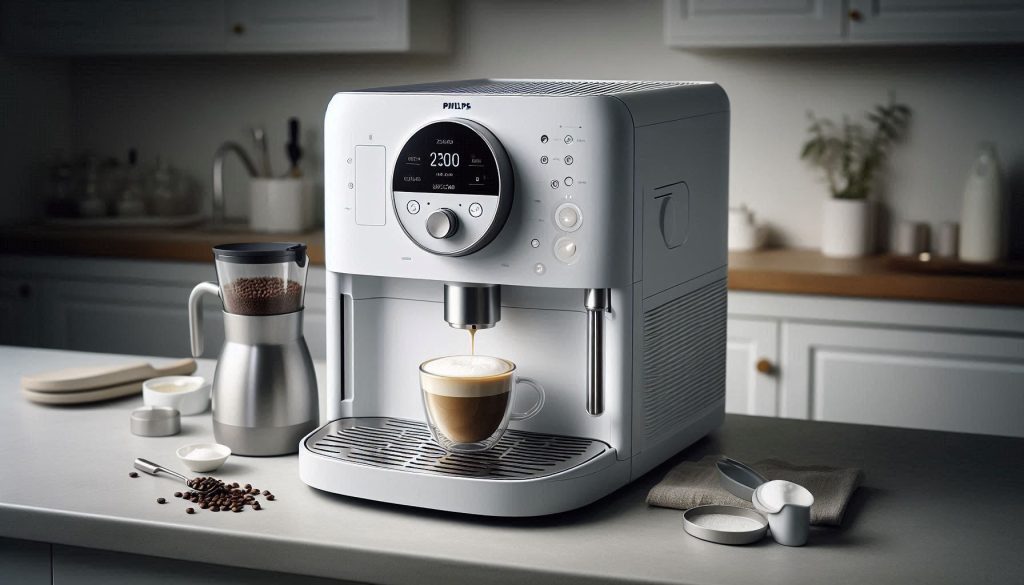
You get a clear inventory here: what you can tweak, what you can’t, and what you can add if the stock setup feels limiting.
What you can program (and how deep it goes)
Practical tip: if you’re chasing a stronger espresso, combine the strongest aroma setting with a slightly finer grind (one click at a time) and a smaller cup volume — that yields the most meaningful change.
Manual overrides and physical controls
The 2300 is designed for one‑touch convenience, not manual gymnastics. Grind setting is adjustable on the hopper (coarse → fine), and saved drink volumes act like manual overrides. There’s no steam wand or manual flow control, so you can’t hand‑trim extraction or steam milk to barista specs.
Expandability and accessories
If you expect the configurability of midrange machines such as Philips’ higher series, De’Longhi Dinamica, or Jura models, you’ll notice the 2300 trims away fine control in favor of simplicity. That’s fine if you want reliable, low‑decision brewing; it becomes limiting if you plan to obsess over temperature curves, pressure profiling, or latte art microfoam. Next, we’ll translate that into who gets real value from the 2300 and where it falls short against alternatives.
Value and comparisons: who should buy the Philips 2300 and when it’s too basic
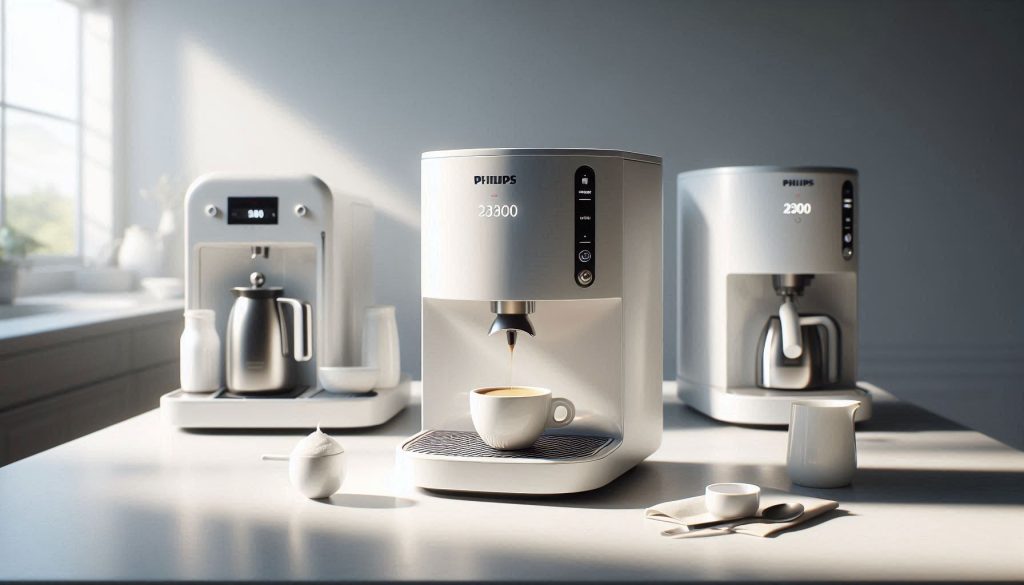
Who gets real value
If your priorities are low fuss, predictable drinks, and fast cleanup, the 2300 is a strong value. You’ll save time on daily maintenance and get consistent milky drinks without learning a steam wand. That makes it ideal if:
Quick real‑world test: if you can live with the 2300’s milk texture for a week using an external handheld frother as a backup, it will likely suit your daily routine.
Who should look higher
If you care about microfoam for latte art, precise temperature control, or the ability to tune espresso variables, the 2300 will feel limiting. Consider alternatives if you match any of these profiles:
Direct, practical comparisons
Trade-offs in plain terms
You gain convenience, easy cleaning, and a compact package. You lose fine control over brew temperature, pressure profiling, and barista‑level milk texturing. If those losses would frustrate you often, budget for the next tier or a hybrid approach (2300 + external frother).
With those trade‑offs clear, you’ll be better equipped to weigh price against the experience you actually want — and decide whether the simplicity of the 2300 is an acceptable compromise.
Final verdict: is the LatteGo entry-level too basic for your needs?
The Philips 2300 (LatteGo) delivers on ease of use, fast reliable dosing, and a hygienic milk module that cleans quickly—making it ideal if you want consistent espresso-based drinks with minimal fuss. Its strengths are straightforward workflow, dependable convenience beverages, and low maintenance; measured crema and shot consistency are solid for its class.
Tradeoffs are limited microfoam control, fewer temperature/pressure adjustments, and restricted programmability compared with prosumer machines. If you prioritize speed, simplicity and clean-up, buy it. If you want cafe-level milk texture, fine-tuned extraction, or advanced customization, consider stepping up to a higher-tier automatic or a manual espresso setup. Make your choice based on priorities, budget, and daily habits.