
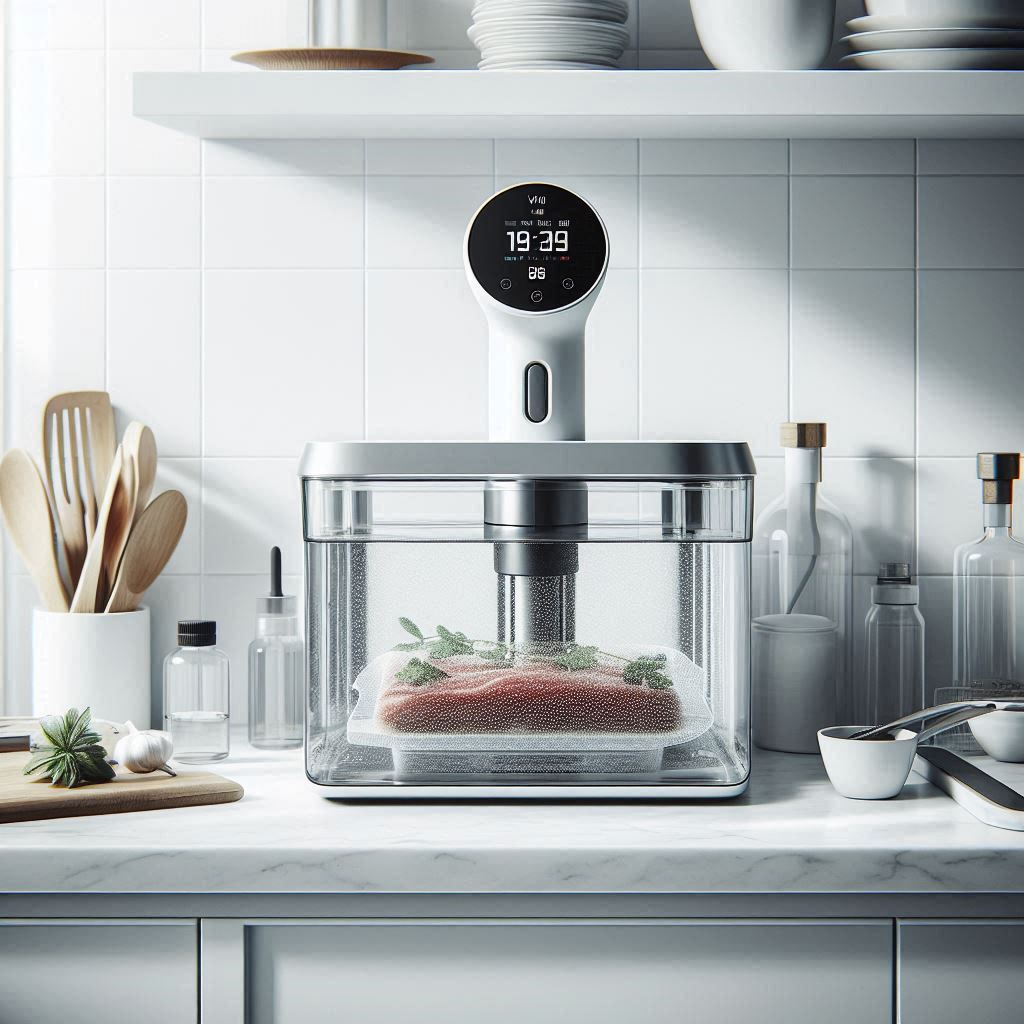
Why choosing the right sous vide circulator matters
You want reliable, repeatable results when you sous vide. A good circulator delivers precise temperature control, strong water flow, and consistent recovery after opening the bath, and that directly affects cook quality, texture, and food safety. It also reduces cooking time variance and saves you effort in the kitchen. This guide focuses on measurable performance so your choice is based on data, not marketing.
You will learn how circulators work and which performance metrics matter, which specifications and features to prioritize, and what to check for build quality, safety, and long-term reliability. We cover usability and controls, how to match price to your use case, and practical tests to validate manufacturer claims before and after purchase. By the end you’ll have a clear, data-driven checklist to pick the best circulator for your needs. Use this guide to make confident, measurable buying decisions.
Understand how sous vide circulators work and which performance metrics matter
The three core jobs
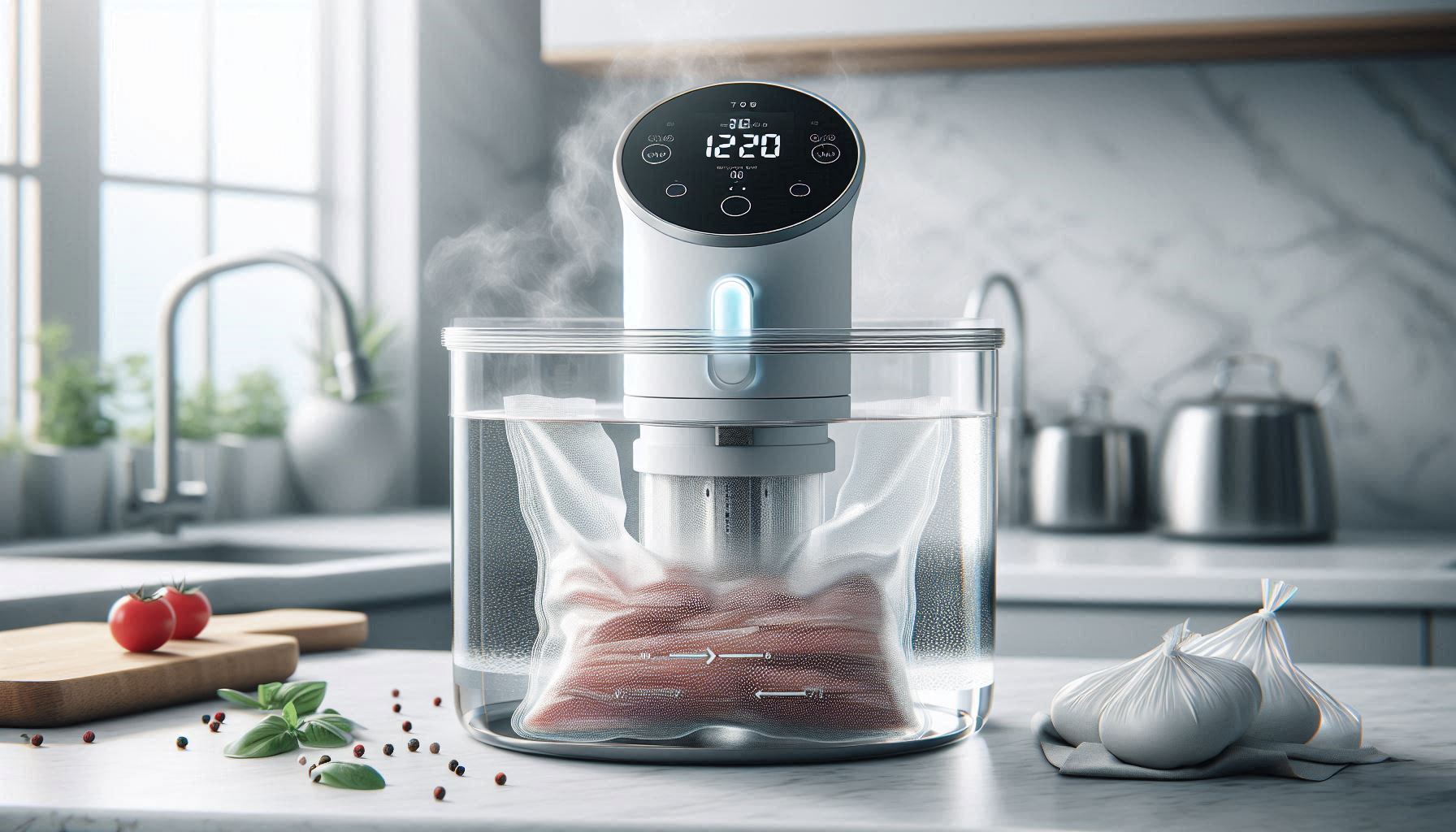
A circulator heats the water, holds it at the target temperature, and moves the water so heat is distributed evenly. If any of those fail you get uneven doneness, long recovery times when you open the bath, or food-safety risks. Think in terms of heat-in, hold-steady, and mix—those are the metrics reviewers measure.
Temperature accuracy and stability
Look for stated accuracy and stability. Aim for ±0.1–0.5°C depending on your needs:
Stability over a 4–24 hour cook matters more than a single-point accuracy claim. Manufacturers often quote ideal numbers; real-world stability can drift with lid-off time, ambient temp, or thermostat cycling.
Warm-up rate (wattage) and recovery
Wattage correlates to how fast a bath heats and how quickly it recovers after adding food or opening the lid. Higher-watt units such as pro-class circulators will bring a 10–20 L bath to temp noticeably faster than compact models. Use wattage as a proxy: more watts = faster warm-up and shorter recovery times.
Flow / circulation rate
Circulation prevents thermal layers and equalizes temperature quickly. Flow specs are often given in L/hr; higher flow reduces stratification and speeds uniformity. For large pots or hotel pans, either choose a high-flow unit (commercial/pro models) or use two circulators.
PID control and feedback loops
Most quality circulators use PID control — a closed-loop algorithm that adjusts heater power based on measured error. Tight feedback loops with fast sampling give repeatable results; sloppy control shows as temperature oscillation. When comparing models, prefer those that mention PID tuning or small stability numbers in lab tests.
Container size and insulation
A good circulator in a small, insulated container behaves very differently than the same unit in a 30 L open pot. Insulation, lid use, and ambient temperature all affect performance. If you plan long cooks or large batches, prioritize wattage and flow; for occasional single steaks, a compact unit is often sufficient.
Examples to orient you: compact consumer models (e.g., Anova Nano) trade lower wattage and flow for size and cost, while pro units (Anova Precision Pro / PolyScience-class) emphasize higher watts and circulation for larger, repeatable batches.
Key specifications and features to prioritize when comparing models
Quick checklist to compare candidates
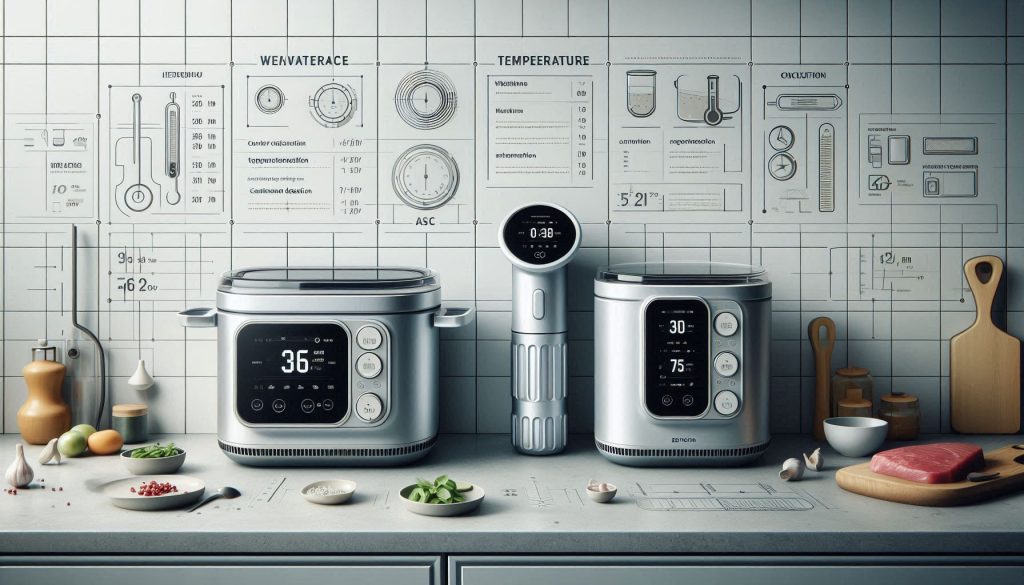
When you’re scanning product pages, run each unit through this quick checklist: wattage (warm‑up & recovery), temperature range and control resolution, real-world accuracy/stability, how the pump moves water, clamp fit and footprint, materials/IP rating, and safety/quality‑of‑life features (timers, low‑water shutoff, presets). Below are the practical targets and trade‑offs that make those specs meaningful.
Power (wattage) and ramp-up
Wattage determines how fast your bath heats and how quickly it recovers when you add cold food. Practical ranges:
Temperature range and control resolution
Look for a broad range (typically ~25–99°C) and 0.1°C resolution if you cook delicate proteins or custards. Resolution below 0.1°C is overkill for most home cooks; 0.1°C gives repeatability without extra cost.
Claimed accuracy vs real stability
Manufacturers quote accuracy (±0.1–0.5°C). Ask whether that number is single‑point or a long‑run stability figure. Prefer units with documented 4–24 hour stability tests or independent lab results — a tight accuracy claim that oscillates in real use is useless.
Flow rate and pump design
Target: full‑bath turnover every ~3–10 minutes depending on volume. Pump types:
Physical fit and clamp
Check clamp reach, depth range, and footprint. Some circulators won’t fit thick stockpots, Cambros, or shallow pans. Measure your usual containers before buying.
Materials and water resistance
Prefer corrosion‑resistant shafts (stainless steel) and an IP or splash rating. IPX7 suggests temporary immersion tolerance; IPX4 is splash‑resistant. Solid seals and easy‑to‑clean housings extend life.
Additional and secondary features
Useful: built‑in timers, auto‑shutoff/low‑water detection, presets/pasteurization tables, and modes for multiple eggs or large batches. Interface choices (knob vs touchscreen, bright display, audible alerts, Wi‑Fi/Bluetooth apps) affect daily workflow — choose the control style you’ll actually use.
Use this list as your scoring rubric: prioritize wattage/flow for volume cooks, resolution/stability for precision cooks, and features/fit for convenience.
Build quality, safety, and long-term reliability considerations
Materials and external construction
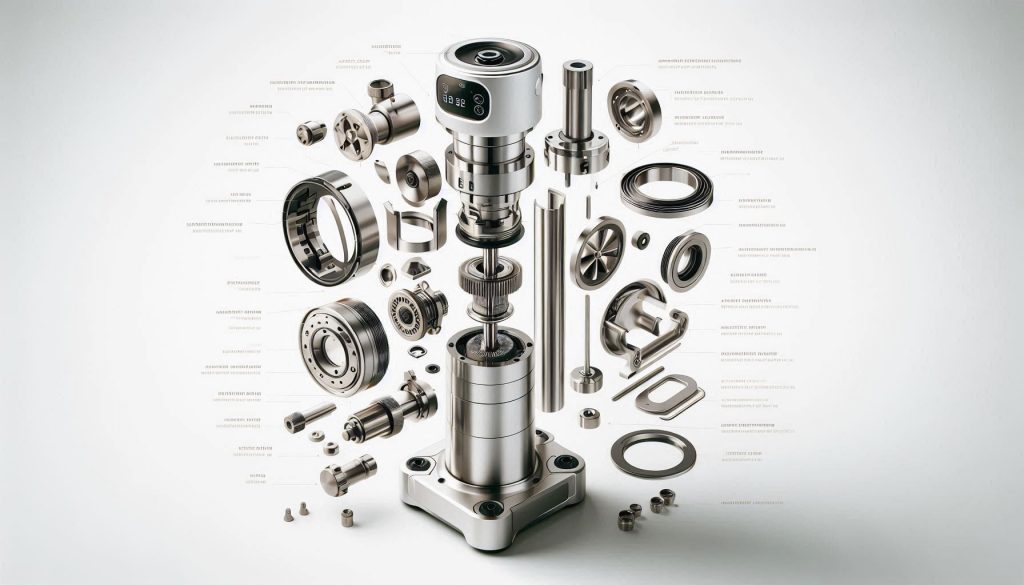
You’ll handle this device for years, so prefer corrosion‑resistant parts where it matters: a stainless‑steel shaft and clamp hardware resist salt and long cooks better than bare plated metal. Top housings are often plastic (lighter) or metal (more durable). Example: higher‑end models (commercial or “Pro” variants) use more stainless and thicker clamps; compact consumer units trade metal for lighter plastics. Look for tight seams, even finishes, and stainless fasteners in product photos and reviews.
Clamp strength, fit, and mechanical robustness
Test whether the clamp fits your most-used containers. A weak or misaligned clamp that creeps during a 12‑hour cook is a common failure. In photos, check for thick clamp brackets and robust adjustment screws. Reviews mentioning “slips off” or “won’t grip tall pots” are red flags.
Motor, pump quality, seals, and cleaning
Motor and pump life determine real longevity. Magnetic‑drive pumps are quieter and better sealed; impeller pumps are simpler but more vulnerable to debris. Inspect whether the shaft assembly is removable for cleaning and whether impellers/gaskets are user‑replaceable. Units that allow access to the pump or have replaceable seals are cheaper to maintain than sealed, disposable designs.
Safety features to prioritize
Prioritize:
Interpreting IP ratings for kitchens
IPX4 = splash‑resistant (ok for steam/splashes).
IPX7 = temporary immersion protection (typically safe for accidental submersion up to 1 m for 30 min).
An IP rating with the first digit (e.g., IP65) adds dust resistance — useful in pro kitchens. Treat advertised IP claims skeptically; third‑party test data or certification is better evidence.
Warranty, service, and repairability
Expect 1–3 year warranties; extended service plans and easy access to replacement impellers, gaskets, and clamps are signs of lower lifetime cost. Watch for community repair guides, replacement part SKUs, and responsive manufacturer support in reviews.
Signs of poor workmanship (what to watch for)
Loose rattles, inconsistent plastics, exposed glue lines, missing fasteners, and repeated reports of pump failure are all red flags in photos or user reviews.
Buying a model with modular parts and clear support policies will save money over time — next, we’ll look at how controls and the user interface shape daily workflow.
Usability and controls: how the interface affects your workflow
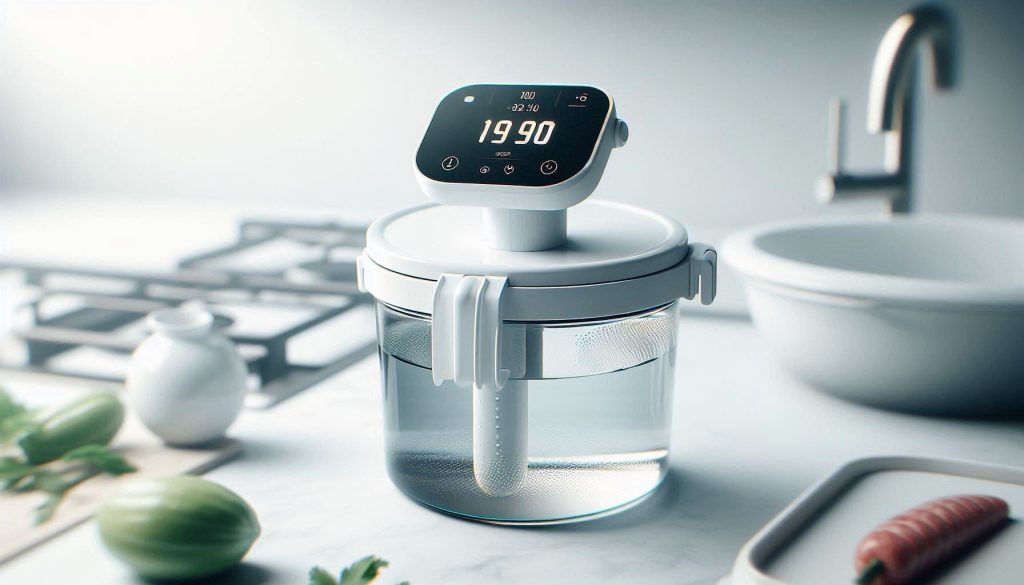
A technically excellent circulator can still be frustrating if its interface is poor. Here’s how to evaluate the UI and physical controls so your daily cooking is smooth, not annoying.
Display clarity and control responsiveness
Look for a bright, readable display you can read across the kitchen — high-contrast digits and backlighting matter when you’re working around steam. Test whether temperature and time can be adjusted quickly (single-degree steps and easy timer entry). Slow, laggy buttons or tiny capacitive controls make multi-hour adjustments painful.
Presets, quick-start, and on-device autonomy
Presets speed repeatable cooks. Prefer models that let you start a cook from the device without your phone; app-only machines (e.g., compact app-first units) are elegant but can be inconvenient when your phone is in another room. Also check whether you can override presets mid‑cook.
Physical ergonomics and clamp fit
Handle placement, weight, and clamp geometry affect how often you fight to attach the unit. Try clamping to a shallow hotel pan or a tall stockpot in videos or in-store — does the clamp slip? Is the cord long enough to reach your outlet? Heavier units can feel secure; very light units may tilt during strong circulation.
Connectivity: when it helps and when it doesn’t
Wi‑Fi/Bluetooth adds remote start/stop, notifications, cook logs, and firmware updates. This is valuable if you cook while away or want cook-history logging. It’s less useful if you prefer a standalone device, dislike app updates, or are concerned about network/ privacy. Check the app’s permissions and whether firmware can be applied locally.
Quick in‑store or video test checklist
UX priorities by user type
Price, value, and matching features to your use case
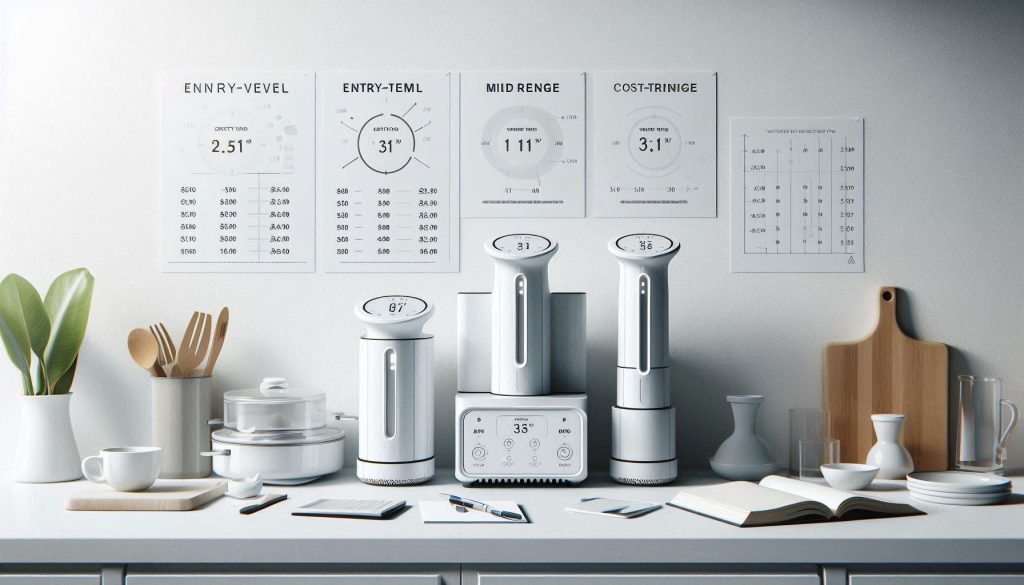
Getting the right circulator is about matching performance to how you actually cook. Below are practical price tiers, a cost-per-use method, and clear rules of thumb for when to up‑size or save.
Price tiers and what to expect
Cost-per-use: a simple, data-driven check
Calculate realistic cost-per-use before you buy:
Example: $200 purchase ÷ (150 uses/year × 5 years) = $0.27/use amortized. Add ~$0.75 energy = ~$1.02 per cook. If you cook sous vide daily, a higher upfront spend quickly pays for itself in durability, speed, and lower downtime.
When spending up is justified
When a budget model is fine
How to spot overpriced models
Quick decision checklist: estimate frequency, typical batch size, noise tolerance, desired connectivity, and target lifespan. Use that to align the tier to your real use — not the glossy marketing.
How to validate claims and the practical tests to perform before and after purchase
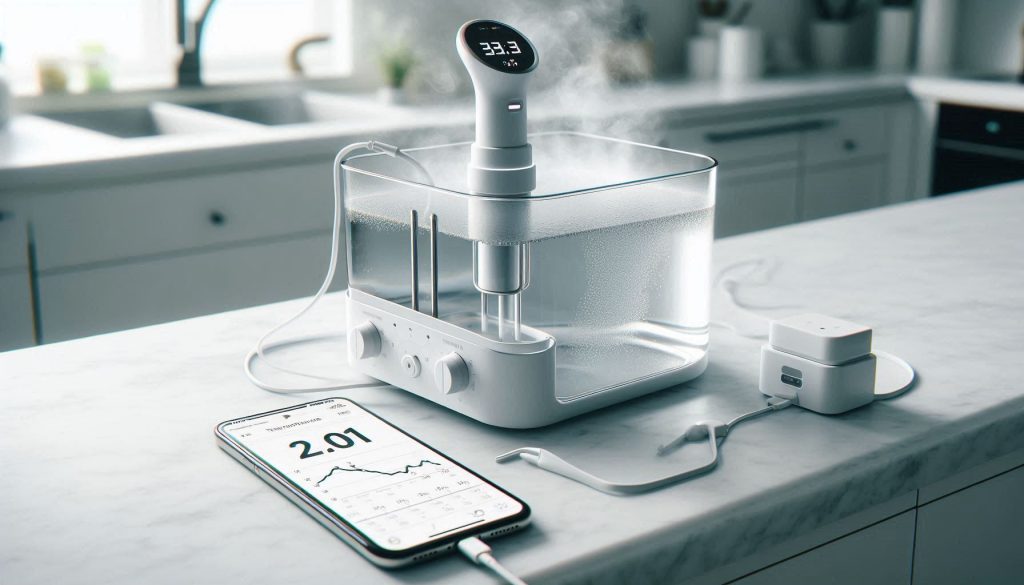
You’ll want to verify a circulator performs as advertised. Below is a compact, step‑by‑step protocol you can run at home (or look for in lab reviews).
Temperature accuracy & stability
Warm‑up time (real‑world check)
Circulation uniformity
Noise & waterproof checks
First‑week inspection and long‑term monitoring
Reading lab tests & user reviews
Next, move to the Conclusion to pick the circulator that fits your cooking profile.
Choose the circulator that fits your cooking profile
You now have the framework to choose a sous vide circulator: prioritize the metrics that most directly affect cooking—temperature accuracy and stability, adequate flow and power for your pot size, and fast recovery. Weigh features (timer, app control, clamp or immersion style) against build quality, safety features, and warranty so long-term reliability isn’t an afterthought. Use your typical recipes and batch sizes to decide which trade-offs matter.
Validate manufacturer claims with simple tests (measured accuracy, stability over several hours, and heat-up/recovery time) and buy where returns are straightforward so you can confirm real-world performance. Spend according to the value you’ll extract: a pro-grade unit makes sense if you cook frequently or commercially; a compact model usually suffices for occasional home use. Follow this methodical, data-driven approach and you’ll end up with a circulator that delivers reliable, repeatable sous vide results. Test early, learn, iterate, and enjoy better sous vide cooking.