
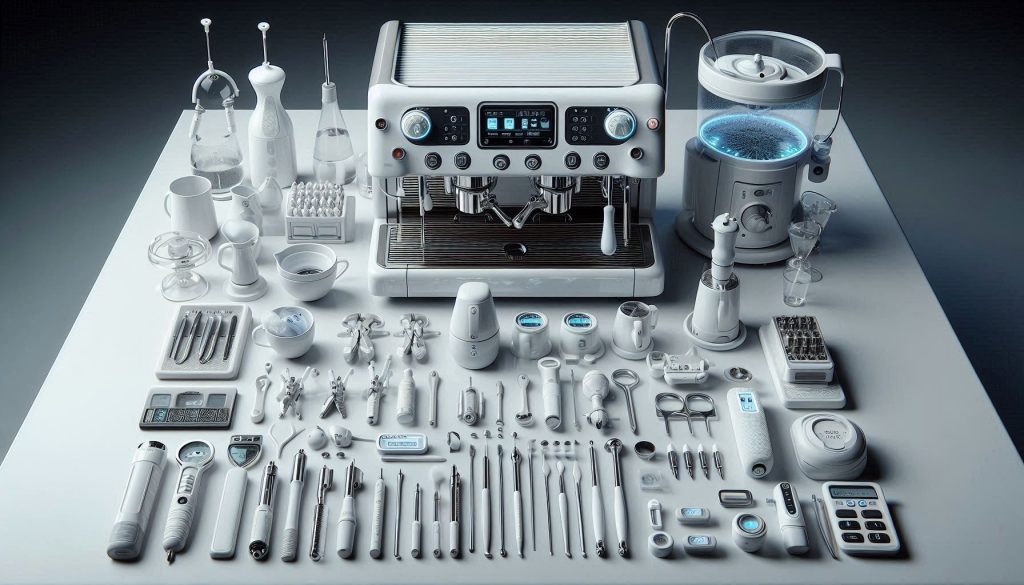
For professional technicians and home baristas alike, maintaining high-end espresso equipment requires more than just mechanical intuition; it demands a specialized arsenal. The Essential Coffee-Machine Repair Toolkit is designed to bridge the gap between guesswork and precision, ensuring that every adjustment—from calibrating boiler pressure to replacing delicate solenoids—is performed with clinical accuracy. By investing in a purpose-built kit, you can significantly reduce equipment downtime, prevent the common pitfall of “rounded” brass fittings, and eliminate the frustration of repeat service calls.
This comprehensive guide breaks down the professional repair kit into five data-driven categories: precision hand tools, diagnostic measurement gear, essential consumables, water-treatment supplies, and shop safety equipment. Whether you are managing a high-volume café fleet or restoring a vintage lever machine, using the right tool for the job is the most effective way to protect your investment and ensure consistent extraction quality. Follow these industry-standard recommendations to build a compact, efficient, and maintainable toolkit that turns complex repairs into routine maintenance.
For professional technicians and home baristas alike, maintaining high-end espresso equipment requires more than just mechanical intuition; it demands a specialized arsenal. The Essential Coffee-Machine Repair Toolkit is designed to bridge the gap between guesswork and precision, ensuring that every adjustment—from calibrating boiler pressure to replacing delicate solenoids—is performed with clinical accuracy. By investing in a purpose-built kit, you can significantly reduce equipment downtime, prevent the common pitfall of “rounded” brass fittings, and eliminate the frustration of repeat service calls.
This comprehensive guide breaks down the professional repair kit into five data-driven categories: precision hand tools, diagnostic measurement gear, essential consumables, water-treatment supplies, and shop safety equipment. Whether you are managing a high-volume café fleet or restoring a vintage lever machine, using the right tool for the job is the most effective way to protect your investment and ensure consistent extraction quality. Follow these industry-standard recommendations to build a compact, efficient, and maintainable toolkit that turns complex repairs into routine maintenance.
Why a Purpose-Built Toolkit Matters for Coffee-Machine Repair
Do you want faster fixes and fewer repeat calls? When you rely on precision equipment, having the right tools cuts diagnostic time and failure rates. A tailored kit translates into lower downtime, less parts waste, and clearer service records.
This article focuses on a data-driven, skills-first approach. You’ll find five sections: Core hand tools; Measurement and diagnostic equipment; Replacement parts and consumables; Cleaning, descaling, and water-treatment tools; and Safety, organization, and specialty tools. Each section lists essentials, why they matter, and practical stocking advice.
Use this guide to build a compact, efficient, and maintainable toolkit that helps you diagnose quickly, repair correctly, and prevent repeat failures. Keep it calibrated. Track parts usage.
Core Hand Tools Every Technician Needs
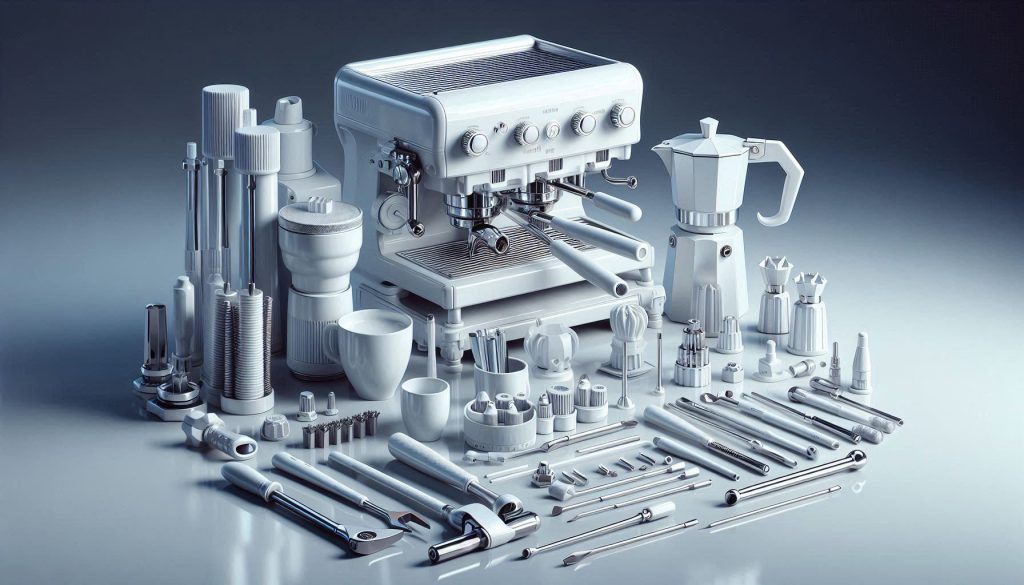
The essentials — what to carry first
You’ll build most repairs around a small, dependable set of hand tools. Prioritize these for immediate returns on speed and fewer mistakes:
These items let you remove panels, swap solenoids, change seals, and tension fittings without improvising — which is where damage and repeat visits start.
Material and build-quality matters
Look for hardened chrome‑vanadium or S2 steel for bits and hardened alloy for sockets. Corrosion resistance (chrome plating or black-oxide) prolongs life in humid café environments. Insulated handles (Klein, Wera) are essential if you’ll work near live circuits. Color-coded, ergonomic grips speed tasks and reduce hand fatigue during long service sessions.
How tool choice affects service speed and repeatability
Using a torque driver on steam-valve packing reduces the risk of over-tightening brass fittings and causing leaks later. A 6‑point socket set prevents rounded bolt heads; a worn 12‑point or low-quality socket will slow you down and cost parts. Anecdote: one tech I worked with swapped to a dedicated 6‑point set and cut average grouphead remove/replace time by 20% because bolts no longer cammed out.
Tips to avoid damaging delicate components
When space or budget is tight
Opt for high-quality multi-bit handles with a small set of the most common heads (flat, Phillips, Torx T20/T25, hex 3/4/5 mm). Choose a compact 1/4″ ratchet and a stubby set of sockets — they cover 80% of tasks with minimal bulk.
Maintain your hand tools
Wipe tools after use, apply a light machine oil to pivots, and keep torque drivers calibrated per manufacturer recommendations (typically annually or after heavy use). Label and store tools logically so the right tool is always within reach.
Next, you’ll add measurement and diagnostic gear that tells you what the hand tools will fix — so you don’t guess your way through a repair.
Measurement and Diagnostic Equipment to Pinpoint Faults
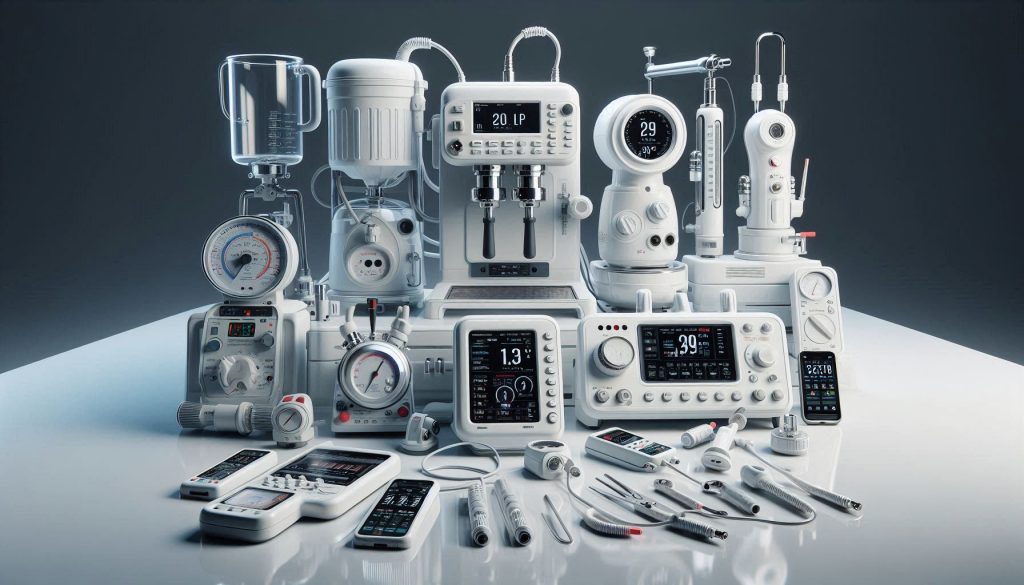
Diagnosis is measurement‑first; without accurate data you’re guessing. The following instruments are the ones that will most reduce diagnostic time and misrepairs — and how to use them effectively.
True‑RMS Digital Multimeter (DMM)
You need a reliable true‑RMS meter for accurate readings on modern electronics and variable‑frequency pumps.
Pressure: Manometer and Pressure Gauge
Pump and boiler pressure are central to brew quality and fault ID.
Flow Measurement
Flow problems mimic pump or grouphead faults.
Temperature: IR and Probe Thermometers
Boiler and steam temperature diagnosis requires the right sensor.
Water Quality and Leak Detection
Water chemistry and elusive leaks are common root causes.
Data Logging and Validation
Intermittent issues kill productivity unless you capture them.
How you deploy these tools — measure under load, compare parallel channels, and log trends — is what turns measurements into reliable diagnosis.
Replacement Parts and Consumables to Keep in Stock
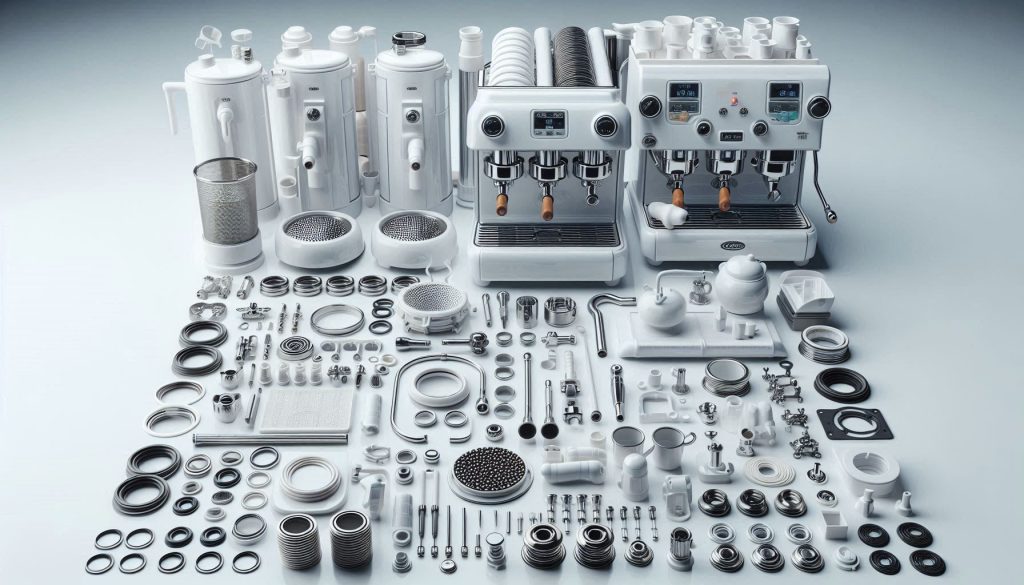
Having the right spares on hand shortens downtime dramatically. Below you’ll find a prioritized, practical list of parts and the inventory practices that keep your service calls short and your customers happy.
Which parts to prioritize (fail frequency × sourcing time)
Focus first on parts that both fail often and take long to source.
Example: a worn group‑gasket plus a clogged shower screen will both cause poor extraction — but the gasket is replaced faster. If you stock both, you fix the customer on first visit.
Specific parts & product highlights
Keep one or two proven brands per common part type for interchangeability.
Organizing SKUs and matching parts
Adopt a simple cross‑reference system so you avoid trial‑and‑error on site.
Storage, shelf‑life, and handling for rubber/silicone
Rubber and silicone need care to remain serviceable.
Inventory management tactics you can apply immediately
Small habits reduce emergency trips.
A well‑mapped spare inventory turns many multi‑visit repairs into single‑trip fixes — and gives you the freedom to charge for convenience rather than rush procurement.
Cleaning, Descaling, and Water-Treatment Tools
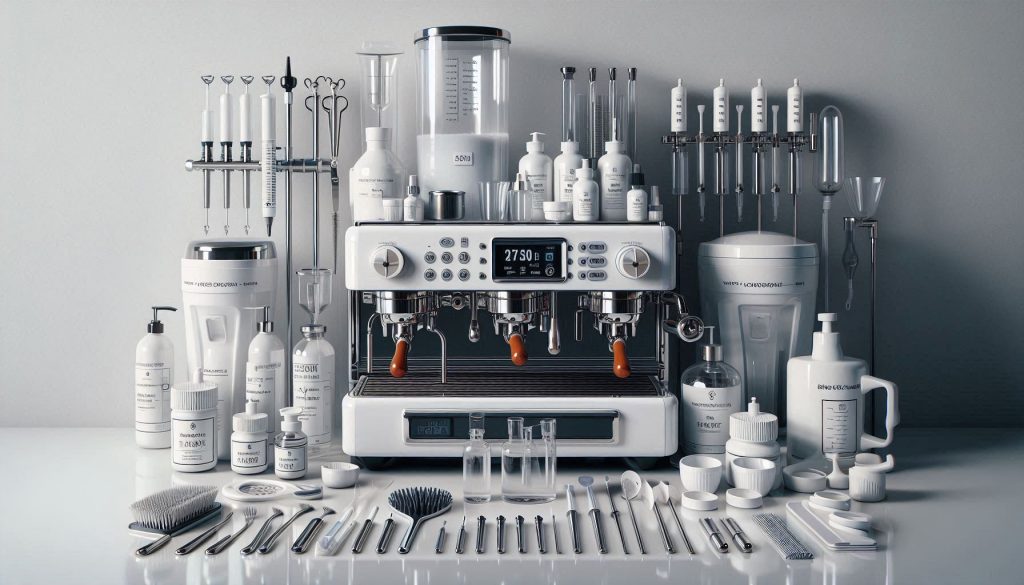
Scale and biofilm are leading causes of performance loss and machine failure, so your toolkit must include professional cleaning and water‑treatment tools. Below are the practical tools, how to use them safely, and when to recommend customer‑side upgrades.
Essential tools and products
Selecting agents and checking material compatibility
Always confirm the descaler is safe for stainless steel, brass, and the elastomers used in the machine (EPDM, Viton). If seals are unknown, use neutral‑pH, machine‑specific descalers. Measure concentration precisely with syringes or a digital scale — many commercial descalers are used diluted; incorrect strength wastes time and risks damage. When in doubt, follow the chemical manufacturer’s ppm or % instructions and log the mix ratio in your service notes.
How to descaler and backflush — quick how‑tos
Water chemistry, wear, and customer recommendations
Water hardness accelerates scale and valve wear; chlorine and oxidizers corrode brass and shorten seal life. Use a TDS meter and hardness strips to quantify the problem. Recommend cartridge filtration or a softening/conditioning system when hardness exceeds local machine tolerances (often >7–10 °dH), or when frequent descaling (>quarterly) is needed. A simple inline filter can cut particulates and chlorine, instantly improving taste and component life.
A reliable cleaning and water‑treatment setup prevents repeat visits — and when you pair the right tools with measured procedures, you protect both the machine and your reputation.
Safety, Organization, and Specialty Tools to Work Smarter
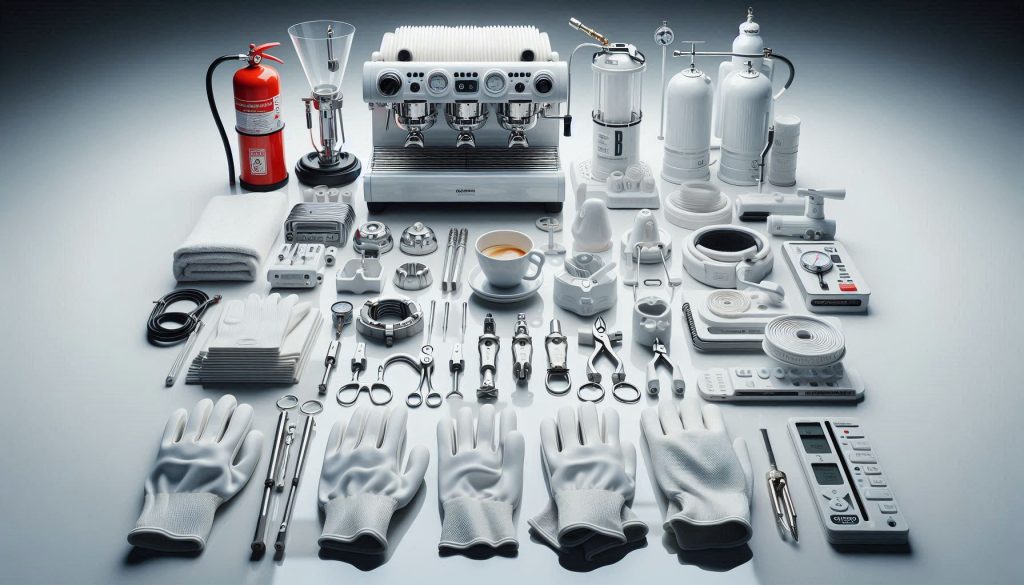
Working safely and efficiently reduces mistakes, downtime, and liability. In the field or the shop, a small investment in PPE, handling tools, organization, and a few specialty items will pay off in fewer callbacks and faster mean time to repair (MTTR).
Personal protection and shop safety
Prioritize PPE and simple fire-safety items that fit a coffee‑shop environment.
How-to tip: always cool and depressurize boilers before touching plumbing. Keep a written depressurization procedure at the bench and train apprentices to follow it.
Safe handling for pressurized components
Special tools let you manipulate pressurized parts without improvising.
Practical note: use a hand‑pump vacuum or controlled flush to remove water from small boilers rather than tipping machines — this cuts spills and thermal shock risk.
Organization that reduces rework
A tidy kit speeds every job.
Try a simple checkout checklist on a laminated card attached to your toolbox — technicians who use them routinely miss fewer steps.
Specialty tools that pay for themselves
Invest in precision tools where repeatability matters.
Documentation, calibration, and workflow
Make quality measurable and traceable.
With safety, tidy workflows, and a handful of specialty tools, you’ll work faster and with greater consistency — setting you up to build and maintain a truly high‑impact repair kit.
Building and Maintaining a High-Impact Repair Kit
Assemble your toolkit around fast, accurate measurement gear, high-use spares, and reliable hand tools so you diagnose faster and fix permanently. Protect that investment with disciplined organization, preventive cleaning routines, and scheduled calibration; these practices reduce repeat calls, lower parts spend, and make service times predictable across your fleet.
Prioritize tools and consumables that cut diagnostic time and recurring failures, and use the section checklists to tailor quantities to your repair volume and machine types. Review inventory, calibration, and consumable expiry quarterly, track key metrics (MTTR, repeat-failure rate), and adjust stock levels. Start optimizing your kit.