

Choosing between Solidteknics vs De Buyer is a pivotal decision for any home chef or professional looking to master the art of carbon steel cooking. While both brands represent the pinnacle of high-heat performance and durability, they cater to distinct culinary philosophies. Solidteknics, known for its heavy-gauge, multi-century durability and seamless Australian craftsmanship, offers a modern, high-performance alternative to traditional designs. In contrast, De Buyer brings over 180 years of French heritage, specializing in the iconic Mineral B and La Lyonnaise lines that provide the precise responsiveness and classic riveted handles preferred in Michelin-starred kitchens worldwide.
Understanding the nuances in material thickness, thermal mass, and ergonomic design is essential to finding the pan that fits your specific cooking style. This comprehensive comparison breaks down the technical specifications—ranging from Solidteknics’ thicker 3–4 mm commercial steel to De Buyer’s agile 2–3 mm profiles—to help you determine which brand delivers the best sear, non-stick seasoning potential, and long-term value. Whether you prioritize the indestructible, single-piece construction of a Solidteknics frypan or the classic, flared-rim versatility of a De Buyer Mineral B, this guide provides the data-driven insights needed to upgrade your kitchen arsenal with confidence.
Why a Focused Comparison Matters for Your Carbon Steel Cookware
You need cookware that performs reliably; choosing carbon steel can improve heat control and durability. Between Solidteknics and De Buyer, small differences in material, construction, and design change real-world cooking results. This article compares materials, thermal performance, design/ergonomics, care/seasoning, and cost to help you decide.
Read sections for an at-a-glance comparison, detailed build analysis, thermal and usability tests, maintenance expectations, and value assessment. Use the final recommendation framework to match a brand to your cooking style — whether you prioritize professional-grade performance, low-maintenance longevity, or budget-conscious value. It aims to be objective, data-driven, and practical. Jump to sections that matter most.
At-a-Glance Comparison: Key Differences and Shared Strengths
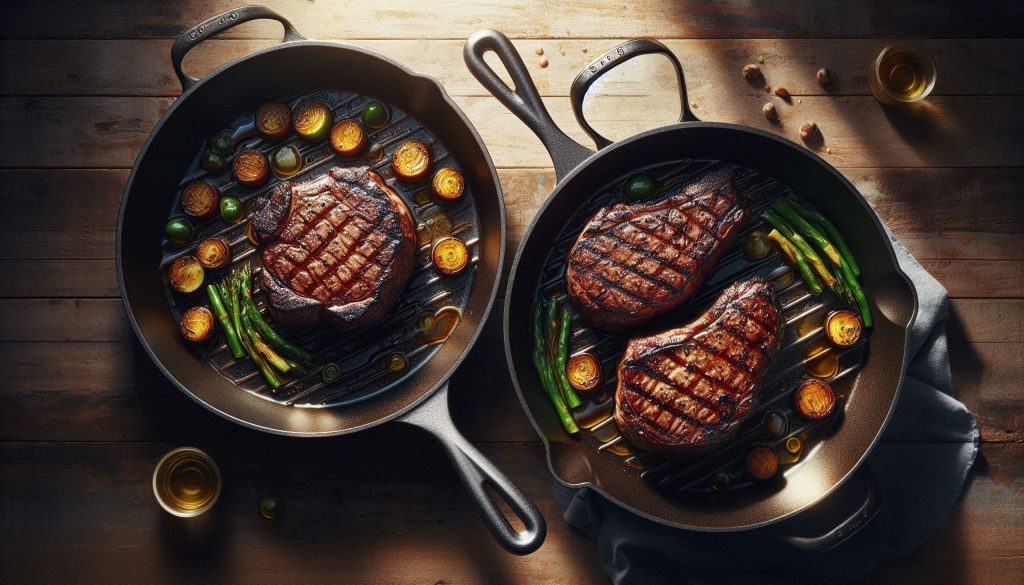
Quick snapshot table
| Steel type & typical thickness | High‑carbon commercial steel; generally on the thicker end (approx. 3–4 mm) | Mineral B / carbon steel; ranges lighter to mid‑gauge (approx. 2–3 mm) |
| Manufacturing style | Heavier, often hand‑finished edges; forged/pressed construction with robust handle joinery | Mostly stamped/pressed; some hammered (la Lyonnaise) and specialty lines; traditional riveted handles |
| Typical product lines | Frying pans, woks, crepe pans, griddles (pro‑style focus) | Frying pans, woks, crepe pans, paella pans, specialized shapes |
| Finish options | Raw/seasoning finish; polished rims and edges on many models | Raw/mineral finish, and some blued options; hammered surface choices |
| Intended user | Home cooks who want pro‑grade, heavy‑duty pans | Broad users: home cooks to pros; more size/price variety |
Shared strengths (what you get either way)
Key differences you should weigh
Quick actionable tip
If you sear steaks and want the pan to keep high heat under heavy food, choose a thicker Solidteknics model. If you cook a lot of quick pan‑fry, crepes or want a lighter pan for flipping, lean De Buyer.
Next, we’ll dive under the metal to compare exact materials and construction choices so you can match build to cooking style.
Materials and Build Quality: What’s Under the Surface
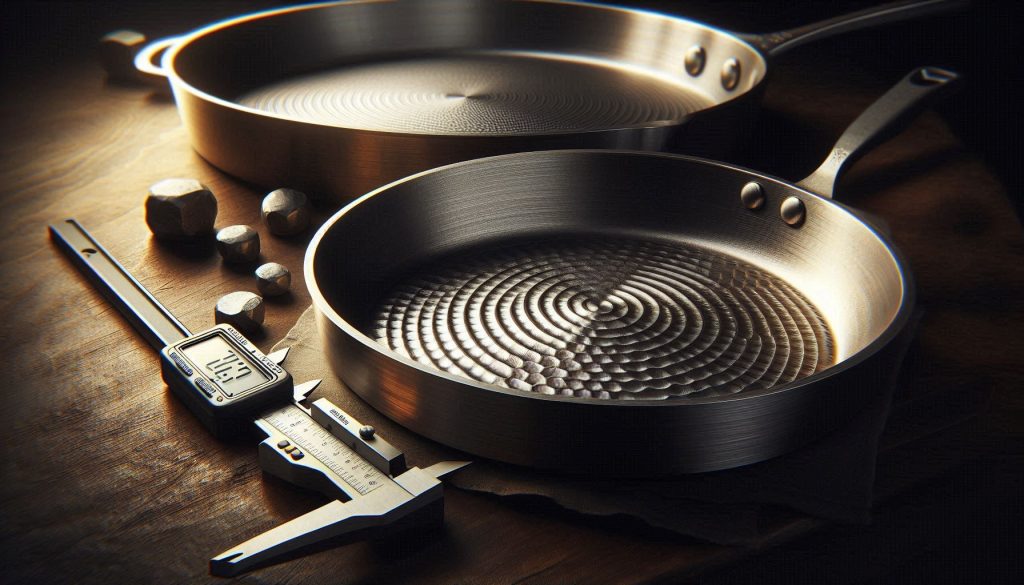
You’ll learn how raw material choices and manufacturing methods influence performance and longevity. Below are the concrete things to look for and how they matter in the pan you actually cook with.
Carbon steel chemistry, simply put
Most professional carbon‑steel pans are low‑alloy iron with ~0.6–1.0% carbon. That composition gives you the searing and work‑hardening behavior you want — the higher the carbon, the tougher the steel and the better it browns, but also the more care required.
Typical gauges and what they mean
Surface treatments, edge formation and bases
Measurable attributes to inspect
How build quality translates to cookery
Thicker, uniform steel resists warping, gives steadier heat across the pan and takes longer to break in but yields a durable, even patina. Thinner pans season faster and respond quicker to heat changes but can wobble, hot‑spot and warp if overheated or shocked with cold water. When you unbox a pan, do these quick checks and you’ll predict its real‑world behavior before the first seasoning.
Thermal Performance and Cooking Characteristics
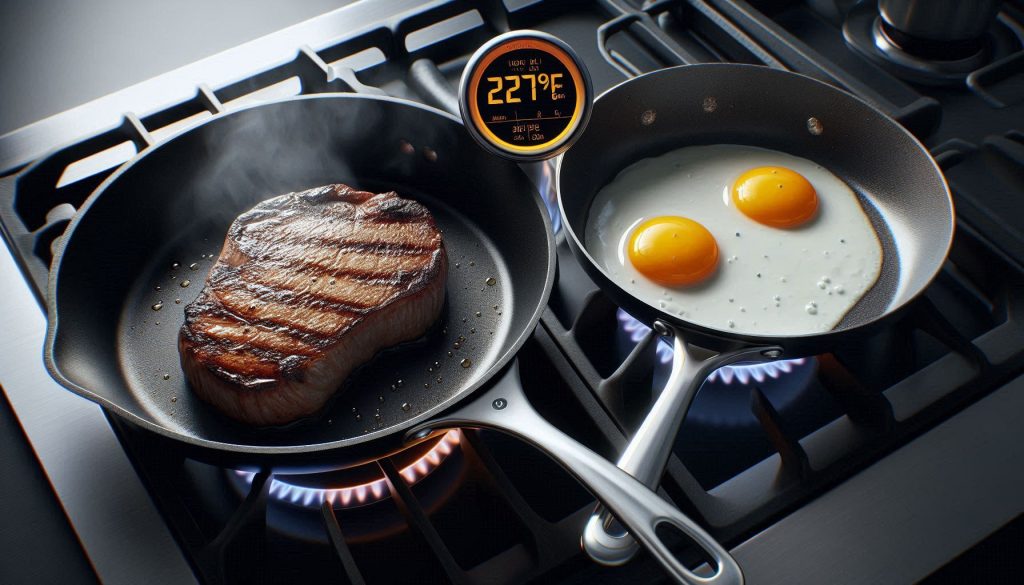
You’ll get a data-focused look at how each brand performs in the tasks that matter: searing, deglazing, temperature control, and heat retention.
Heat-up time and thermal mass
Solidteknics pans (typical 3–4 mm, e.g., Solidteknics 30 cm frypan) take longer to reach target temps but store heat well. Expect roughly 4–6 minutes on a medium‑high gas burner to hit 180–200°C. De Buyer Mineral B/La Lyonnaise (2–3 mm, 26–28 cm examples) typically hit the same range in ~2–4 minutes.
How to measure at home: use an infrared thermometer and a stopwatch — note time to 190–200°C with the pan empty, then again with a thin film of oil.
Heat spread and surface variance
Thicker, uniform steel (Solidteknics) usually shows smaller surface variance — think ±5–10°C across the cooking surface. Thinner De Buyer pans may show ±10–20°C, especially on domestic stovetops with smaller burners.
Quick test: measure center, mid-radius and edge after 3 minutes at the same setting. If your pan varies more than ~15°C, expect localized browning and more active pan management.
Responsiveness and cooling
Responsiveness matters: De Buyer cools faster when you reduce flame or add cold ingredients — useful for eggs and delicate sauces where you want quick corrections. Solidteknics resists temperature drops — ideal for a steady sear on steaks or high-heat stir‑fry. Typical temp drop when adding a room‑temp steak: Solidteknics ~10–20°C, De Buyer ~25–40°C (approximate, depends on pan size and heat source).
Searing vs delicate work — practical tips
These thermal traits inform how you set heat, time your flips, and choose which pan for which recipe — next, we’ll look at how design and ergonomics amplify or hinder these behaviors.
Design, Ergonomics and Practical Usability
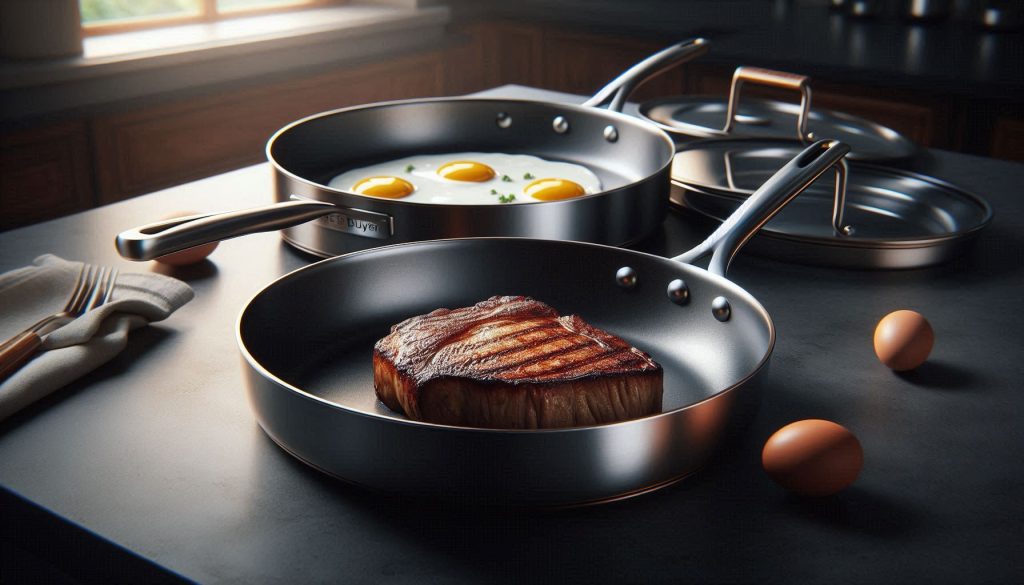
You’ll find here a focused evaluation of how design choices affect daily use — from the feel in your hand to how a pan behaves in the oven.
Handle design and balance
Solidteknics tends to use thicker, longer handles that give excellent counter‑balance on larger models (e.g., the Solidteknics 30 cm frypan). You’ll get more leverage and a steadier wrist when searing heavy cuts. De Buyer Mineral B/La Lyonnaise handles are often lighter and shorter, which makes smaller pans feel nimble for eggs but can leave larger pans feeling front‑heavy. Tip: when lifting a loaded pan, a longer handle reduces wrist torque — choose accordingly.
Lip and side profile for pouring and tossing
De Buyer’s flared sides (common on 24–28 cm models) make tossing and quick reduction easier — liquids shed cleanly. Solidteknics’ gentler slope and rolled rim favor controlled sears and easier basting without splatter. If you flip omelets or stir‑fry, lean toward a flared, lighter De Buyer; if you sear steaks and baste, Solidteknics’ profile delivers more predictable pan contact.
Weight, maneuverability and lids
Heavier Solidteknics pans retain momentum and steady heat; expect more hand fatigue when moving full pans. De Buyer’s lighter builds are quicker to maneuver and to cool when you lower heat. Both brands offer size‑specific lids — verify fit for braising. Practical tip: match lid sizes to pans you braise frequently to avoid buying extras.
Stackability, induction/base compatibility and oven geometry
Solidteknics’ thicker bases sit flatter on induction and resist warping in the oven; De Buyer’s thinner bases may need a flatter burner or diffuser for perfect contact. Both are oven‑safe (steel handles), but check any models with wooden grips. For storage, Solidteknics take more space and benefit from silicone disks between pans.
Choosing pan size and profile for tasks
Next, we’ll cover the upkeep — how these designs influence seasoning, cleaning and long‑term durability.
Care, Seasoning and Longevity: What Maintenance Requires
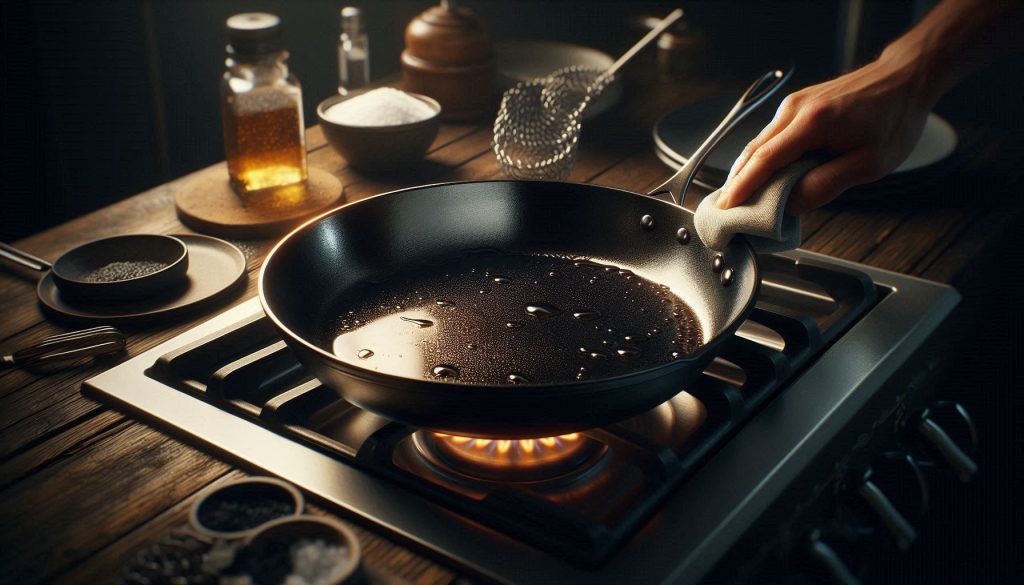
You’ll get a practical, step-by-step assessment of upkeep so your pan performs for years. Below are hands‑on protocols, common fixes, and realistic time commitments tied to brand differences (examples: Solidteknics 30 cm frypan, De Buyer Mineral B 24 cm).
How to season (step-by-step)
- Clean new pan with hot water and a little dish soap; dry completely.
- Apply a thin, even coat of oil with a high smoke point (grapeseed, canola, refined sunflower). Flaxseed gives a glossy, hard layer but can be brittle.
- Stove method: heat over medium-high until smoking, cool, wipe, repeat 3–6 thin layers. Oven method: 230–260°C (450–500°F) for 45–60 minutes per thin layer.
- Let pan cool inside oven to complete polymerization.
Accelerating polymerization and avoiding sticky layers
Rust, sticky residue and reconditioning
Forgiveness and common mistakes
Time commitments & wear signals
Next, we’ll weigh these upkeep realities against price and availability to help you choose the best overall value.
Cost, Value and Availability: Beyond the Sticker Price
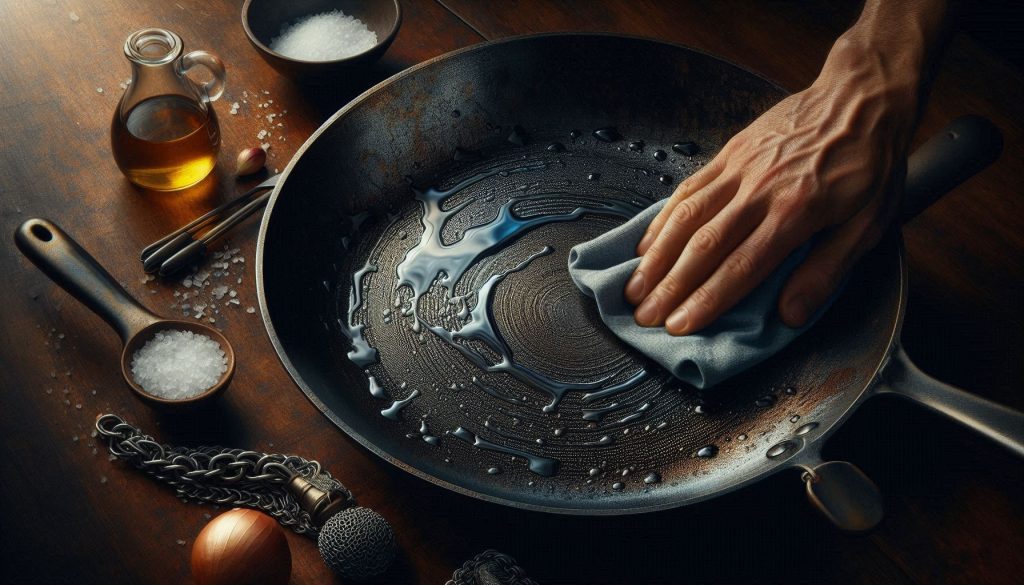
Typical price ranges and what drives cost
You should expect a meaningful gap in upfront price driven by gauge, finish and channel-to-market.
Weight, thickness and pre-finish (smoother factory seasoning or extra polishing) increase material and labor cost — and therefore your sticker price.
Accessories and out-the-door value
Accessories materially change value: a pan sold with a tight-fitting lid, chainmail scrubber, or a care kit means fewer immediate purchases.
Distribution, availability and shipping realities
Where you buy affects price and convenience.
Tip: add shipping, duties and return costs to the sticker price before you buy.
Warranty, support and replacement parts
Warranty terms vary; always read the fine print.
Resale and longevity-based value
A heavier, well-cared-for carbon steel pan will retain resale value. If you plan to keep a pan for decades, a higher initial outlay can become cheaper per year.
Quick calculation you can do now:
- Add purchase + accessories + shipping.
- Estimate years of use (5, 10, 20).
- Divide total cost by years to get an annualized cost — this shows the real value picture as you decide which brand fits your kitchen.
Which Brand Suits Your Needs: Use-Cases and Final Recommendation Framework
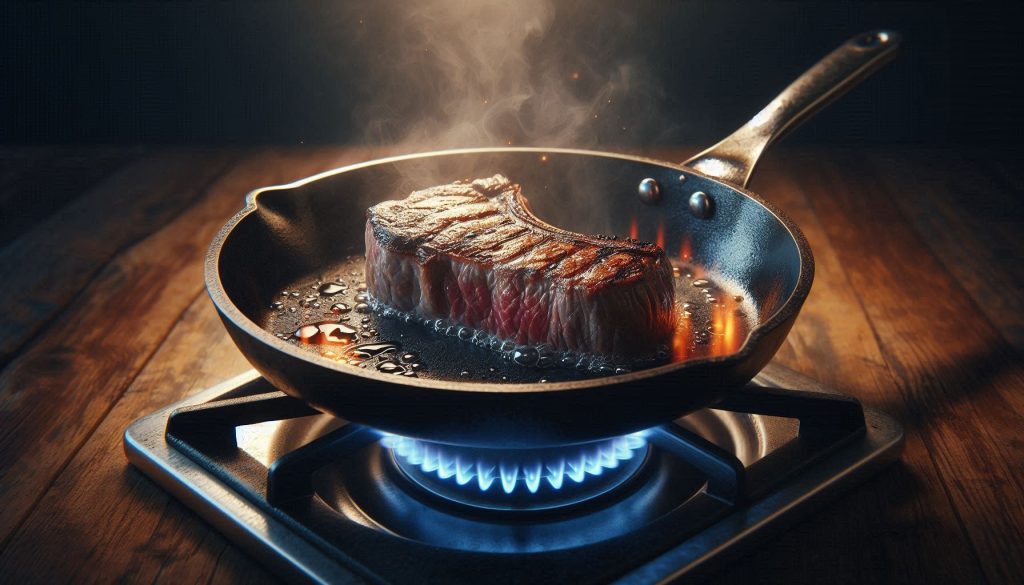
Serious home searer (you love steaks and crust)
Prioritize:
Trade-offs: heavier pan warms slower and costs more, but gives more consistent sears. If you often do one-pan dinners, Solidteknics’ heavier gauge is worth the premium.
High-heat stir-fryer (wok-style, fast cooking)
Prioritize:
Trade-offs: thinner steel heats and cools faster but needs more attention to avoid warping over extreme heat. De Buyer Mineral B 28 cm is a good compromise for high-heat work.
Casual user seeking low-maintenance
Prioritize:
Trade-offs: you accept slightly less thermal inertia for easier care. De Buyer Mineral B with its lighter feel often fits casual kitchens better.
Professional kitchen requiring durability
Prioritize:
Trade-offs: higher upfront cost and shipping time (Solidteknics direct sales) are acceptable for durability and consistent performance.
Budget-conscious buyer
Prioritize:
Trade-offs: you accept more initial seasoning work and possibly shorter warranty. De Buyer offers lower entry prices and broad retailer support.
Reproducible checklist & scoring rubric
Rate each candidate 0–2 on: Thickness, Weight, Handle, Finish, Price, Availability, Warranty, Maintenance (0=poor fit, 2=ideal).
Apply the rubric to two models (e.g., Solidteknics 30 cm vs De Buyer Mineral B 26 cm) and compare totals to make an evidence-based pick before reading the final recommendations in the Conclusion section.
Making the Right Choice for Your Kitchen
You now have a structured, data-driven framework to choose between Solidteknics and De Buyer based on measurable attributes and your cooking priorities. Use the checklist and tests outlined — material thickness, heat-up and retention, stovetop fit, handle ergonomics, and seasoning behavior — to score each pan against your routine. Prioritize the measurements that matter: if rapid searing and lighter weight are key, favor Solidteknics; if traditional heft and proven European workmanship matter more, lean toward De Buyer. Factor in maintenance time and resale or replacement availability.
Apply the decision matrix you built: weigh thermal performance, durability, cost, and care burden against your frequency of use. Make a purchase that matches the trade-offs you accept. If unsure, start with one versatile pan that best fits your dominant cooking style. Decide confidently and cook with purpose today.