

Choosing the perfect Dutch oven is a high-stakes investment for any home chef, often sparking the ultimate kitchen debate: Le Creuset vs. Staub. Both heritage French brands represent the gold standard of enameled cast iron, offering exceptional heat retention and heirloom-quality durability. However, subtle differences in their engineering—from Le Creuset’s iconic sand-colored interior to Staub’s innovative self-basting lids—can significantly impact your cooking results. Whether you are searing a steak, slow-braising short ribs, or baking artisan bread, understanding these technical nuances is essential to selecting the pot that best aligns with your culinary style and kitchen aesthetic.
In this comprehensive comparison, we break down the Le Creuset vs. Staub rivalry using objective, data-driven metrics to help you shop with confidence. We analyze critical factors such as enamel formulation, lid engineering, handle ergonomics, and long-term value to see which French oven truly earns its place on your stovetop. By moving past the brand hype and focusing on construction and real-world performance, this guide provides the clarity you need to decide which luxury Dutch oven is the right investment for your budget and your recipes.
A Clear Comparison to Help You Choose
You want a Dutch oven that performs reliably and lasts for years. Two French names — Le Creuset and Staub — often top the list. This article compares them using clear, objective metrics: construction, cooking performance, durability, usability, and value. You’ll get practical, data-driven criteria to judge which model suits your kitchen and budget.
Expect a focused, side-by-side look at materials, lid engineering, heat retention, searing, maintenance, and everyday handling. No fluff. No brand hype. Just the facts you need to decide which Dutch oven will earn a permanent place on your stove and in your routine. Read on for clear recommendations.
At a Glance: Brand Philosophies and Manufacturing Differences
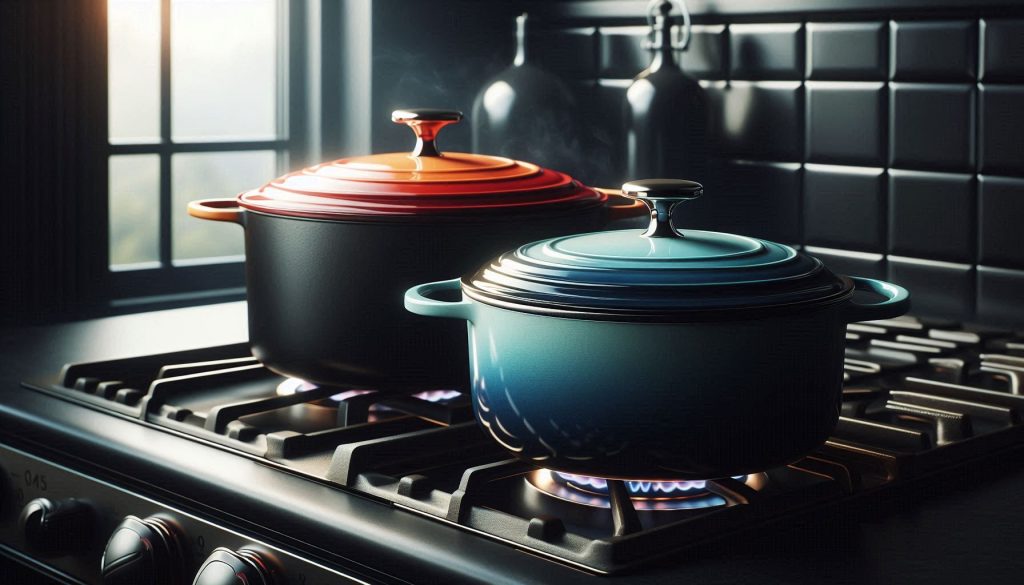
You’ll start by understanding how each brand’s philosophy and manufacturing choices shape the pot you hold. Below are the core differences that consistently affect how these Dutch ovens perform in your kitchen.
What each brand prioritizes
Le Creuset emphasizes a polished, consistent enamel finish and a broad color palette. Their approach is about refinement: glossy interior enamel that releases food easily, carefully controlled casting, and visible surface uniformity aimed at home cooks who value aesthetics and predictable nonstick-like behavior.
Staub prioritizes functional engineering for moisture control and searing. You’ll notice a darker, matte interior enamel and a heavy, thoughtfully designed lid that encourages self-basting. Staub’s design choices read like a chef’s checklist: maximize browning, lock in juices, and make long braises more forgiving.
Manufacturing realities that matter to you
Both brands are French-born and maintain significant European production, but manufacturing can vary by line and model—always check the base stamp. What affects daily use isn’t nationality so much as these concrete choices:
Quick, practical checks when you shop
When you’re comparing pots in person, do these simple tests so you buy confidently:
A short hands-on comparison in the store will reveal more about daily performance than any ad. Next, we’ll dive into how those material and lid choices translate to heat behavior and cooking results.
Materials and Construction: Enamel, Cast Iron, and Lid Engineering
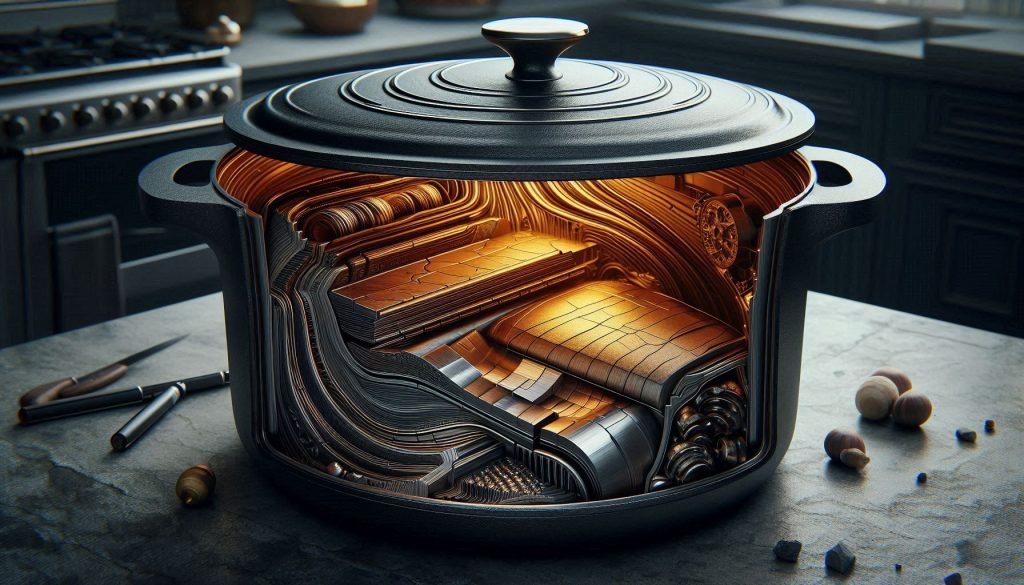
You need to know what’s inside the casserole as much as what it looks like. Below are the measurable construction features that most directly affect real cooking — and how to judge them when you’re choosing a pot.
Cast iron and thermal mass
Cast iron’s density gives the Dutch oven its thermal mass: heavier, denser walls and a thicker base store more heat and produce slower, more even temperature changes. Staub models (e.g., Staub 5.5-qt Cocotte) often feel slightly heavier in the hand; that additional mass helps hold steady heat for long braises. Le Creuset’s Signature French Oven is still very substantial but sometimes uses marginally thinner walls, which can warm up a touch faster.
Practical tip: if you want steady low-and-slow performance, favor the heavier pot. If you often need quicker response, the slightly lighter castings can be preferable.
Enamel: formulation, thickness, and interior finish
Enamel is a glass-based coating; its hardness and thickness determine scratch/chip resistance and how food releases. Glossy light-colored enamels (Le Creuset) make it easy to monitor browning and clean oil residues, but they can show stains. Dark matte enamels (Staub) hide discoloration and tolerate high-heat searing better, though they may stick more initially.
What to look for: uniform coverage at the rim and inside the lid, and consistent enamel thickness (no thin spots). Thicker, well-adhered enamel resists chipping; harder formulations resist abrasion.
Base flatness and induction compatibility
Induction needs good contact. Examine the base for warping by setting the pot on a flat surface — it should not rock. A flat, thick base maximizes magnetic coupling and even heat transfer on induction cooktops.
Lid engineering and gasket-like fit
Lid contact area — how much of the lid rim mates with the pot rim — affects condensation and self-basting. Staub’s textured, heavy lids increase contact and create a pseudo-gasket effect; Le Creuset’s smooth dome seals well but redistributes moisture differently.
Quick in-store tests:
These measurable attributes — thermal mass, enamel hardness, base flatness, and lid contact area — predict how the pot will behave in your kitchen. Next, we’ll translate these construction choices into cooking performance.
Cooking Performance: Heat Retention, Searing, Braising, and Versatility
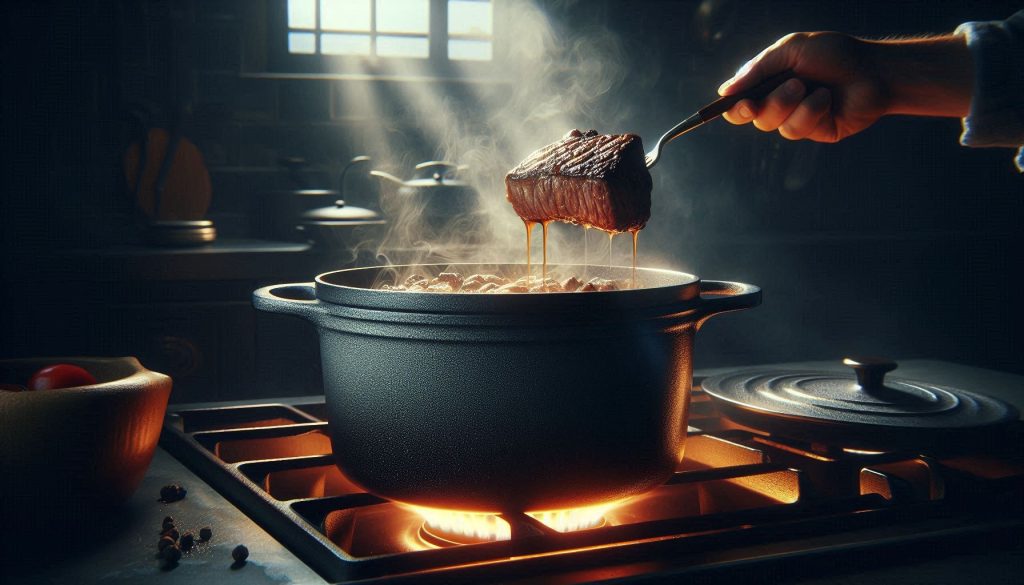
You care most about how the pot cooks. Below are practical, testable differences between Le Creuset and Staub and simple home checks you can run to see which behavior fits your cooking.
Heat-up speed and retention
Le Creuset often responds a bit faster to a heat change; Staub’s slightly heavier casting typically stores heat longer. In practice that means:
How to test at home:
Searing and high-heat work
Searing is about surface temperature and how the enamel tolerates direct heat.
Quick sear comparison:
Braising, moisture return, and sauce concentration
Lid design changes how moisture cycles back into your braise.
Practical dish test: braise short ribs at 275°F for 3–4 hours in each pot and compare sauce thickness and meat tenderness.
Stovetop vs. oven behavior and induction compatibility
Both brands work well in oven cooking; cast iron equalizes heat vertically in the oven. On induction, success depends on base flatness rather than brand. If you have a glass-top or induction range:
These hands-on checks give you a clear sense of which pot will better support your everyday dishes. Next, you’ll want to consider how these performance patterns hold up over time — we’ll look at durability and maintenance in the following section.
Durability and Maintenance: Chipping, Staining, and Long-Term Reliability
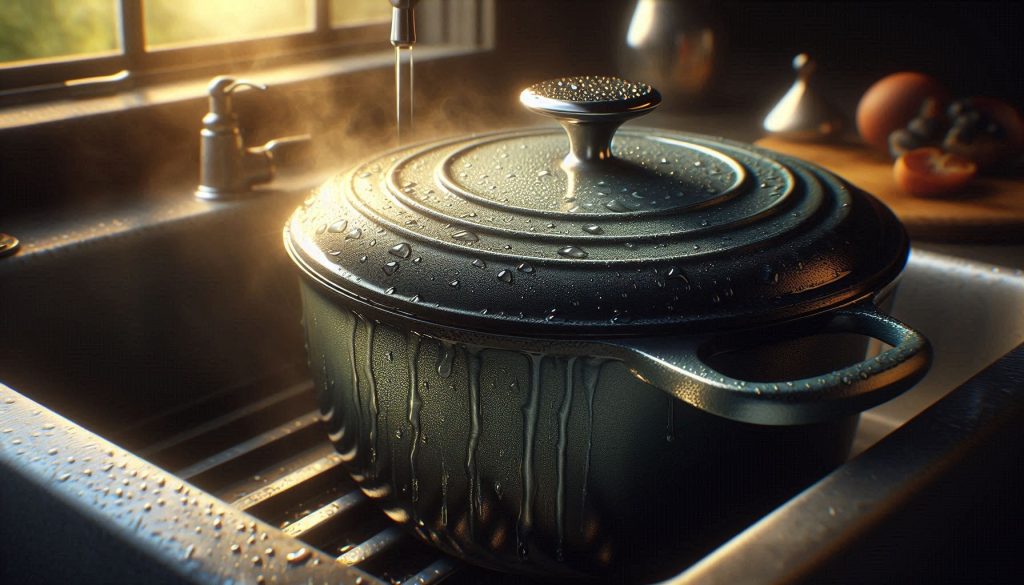
You want cookware that survives daily life, not careful museum treatment. This section gives practical, testable expectations for enamel wear, how to clean and protect your pot, and what warranties actually cover.
Enamel chips, crazing, and thermal shock
Both Le Creuset (Signature line) and Staub (La Cocotte) use thick, industrial enamel bonded to cast iron. Neither tolerates hard impacts or severe thermal shock.
Surface wear, staining, and odor retention
Recommended cleaning practices (do this)
Both brands say their pieces are dishwasher‑safe in principle, but routine dishwasher use can dull exterior finishes and accelerate wear — hand washing preserves appearance.
Warranty, life expectancy, and practical scenarios
Manufacturers generally warrant against manufacturing defects (enamel flaking, separation) but not accidental damage. Under normal home use with hand‑washing and sensible handling, expect 15–30+ years; with heavy, rough use (camping, constant high-heat searing, dishwasher/abrasives) expect problems within a few years.
Quick prevention checklist:
Next you’ll read how design and everyday usability interact with these maintenance needs.
Design, Usability, and Everyday Practicalities
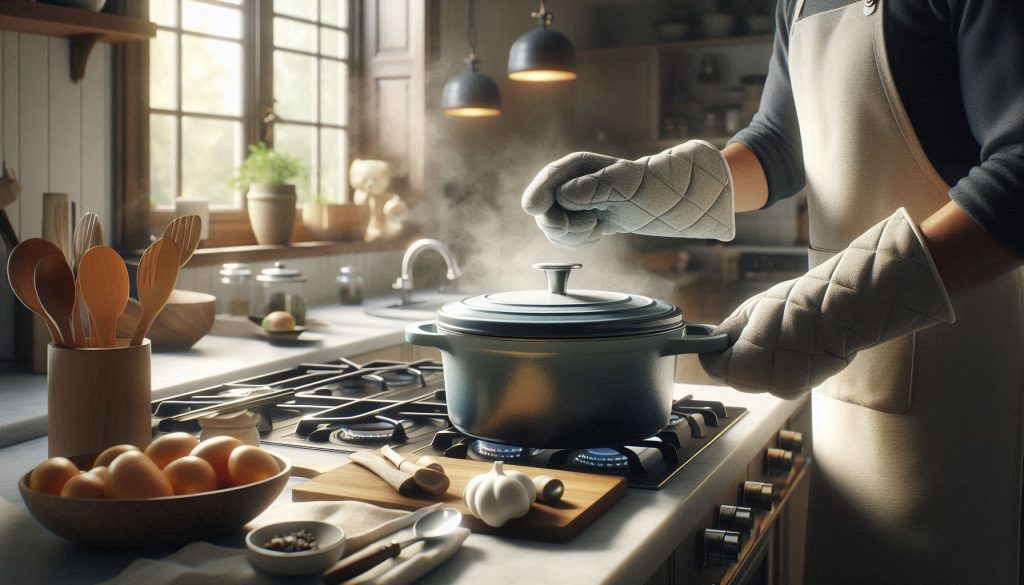
You’ve read about materials and performance; now look at the small design choices that shape daily use. These details determine whether a pot feels like a joy or a chore when you’re juggling oven mitts and a screaming toddler.
Handles and weight — lift, carry, and confidence
Handles matter more than you think. Le Creuset’s wide, arched handles give room for thick oven mitts and two‑handed lifts (think Le Creuset Signature 5.5‑qt). Staub’s handles are lower‑profile and sit closer to the body of the pot, which some people find more secure when carrying a full Dutch oven but a bit snug with bulky gloves. Expect a 5–6 qt pot to weigh roughly 10–13 lb empty; check specs before buying if you have limited wrist strength.
Practical tips:
Lid knobs — temperature, leverage, and swaps
Knob material affects both safety and convenience. Many Le Creuset pieces are offered with metal (stainless) knobs rated for higher oven temps and phenolic knobs rated lower; Staub commonly ships with metal knobs rated for high heat. If you roast at >400°F regularly, opt for metal knobs or swap phenolic knobs for stainless replacements. A taller knob gives better leverage when the lid is heavy and greasy—important when you lift a lid over steam.
Quick how-to:
Pour rims, shapes, and real‑world cooking
Some Le Creuset oval and select round models have subtle pour lips that ease transferring liquids; Staub’s inner lid design focuses on basting rather than pouring. Choose shape to match your routine: round 4–6 qt is the everyday braiser; oval 5–7 qt is better for roasts and baguette‑length chickens.
Color, finish, storage, and resale
Le Creuset’s wide color palette (seasonal and classic options) is easy to match to kitchens and tends to retain resale value for popular colors. Staub’s deeper, matte finishes hide scuffs and develop a “worked‑in” look some cooks prefer.
Storage tips:
These practical differences won’t change how the pot cooks, but they do shape your day‑to‑day enjoyment and safety in the kitchen.
Price, Value, Warranty, and Recommendations for Different Cooks
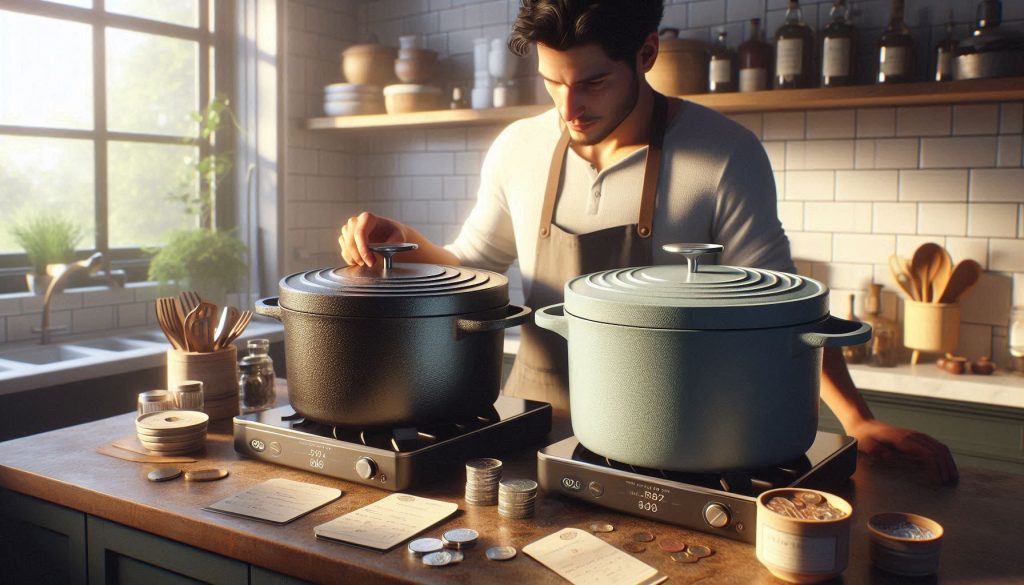
Typical price ranges and buying tips
Warranty, registration, and resale
Cost-per-use calculation (quick example)
Which brand/model for which cook
Decision framework checklist
Next, the Conclusion will help you lock in the final pick based on your answers to these questions.
Choosing the Right Dutch Oven for Your Kitchen
You’ve seen how Le Creuset emphasizes glossy enamel, broad color range, and easy cleanup, while Staub focuses on matte interior enamel, superior searing, and moisture retention. Choose Le Creuset if low-maintenance finish, colors, and lighter lids matter. Choose Staub if browning performance, tighter lids, and oven-to-table presentation are priorities.
For budget-conscious cooks, consider slightly used Le Creuset for value; professional home cooks who sear and braise frequently will favor Staub. Match your pick to your cooking habits and aesthetic priorities. Test in person if possible, and buy the largest size you use.