
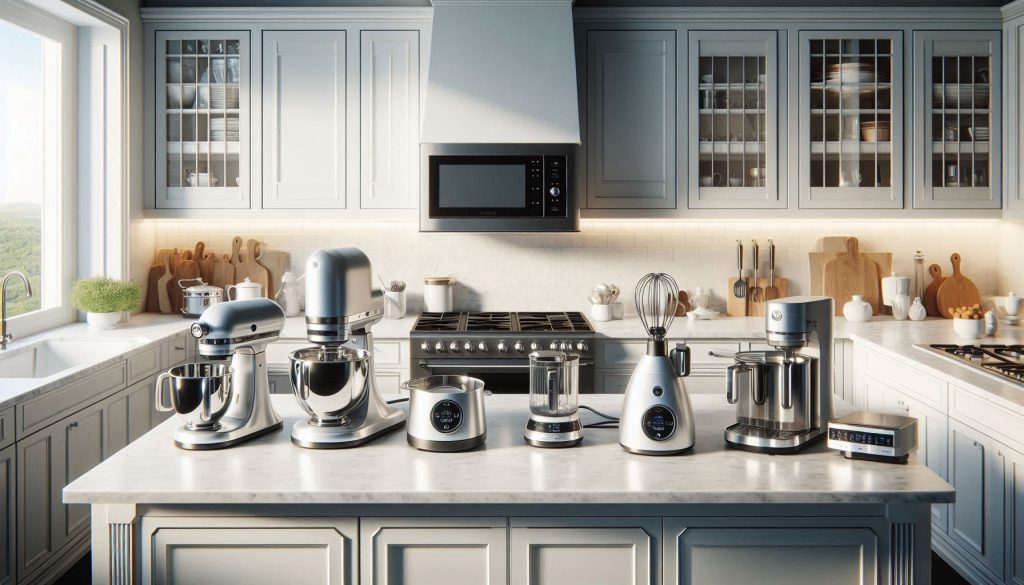
When planning a kitchen remodel, it’s tempting to cut corners on small appliances to stay under budget. However, the “disposable gadget” cycle often leads to higher costs through frequent replacements, poor energy efficiency, and lackluster performance. Investing in luxury kitchen tools isn’t just about the brand name; it’s about choosing professional-grade durability that stands the test of time.
In this guide, we break down the true cost of ownership between budget and premium kitchen gadgets. From superior warranty coverage to the resale value of high-end brands, you’ll discover why “buying once” is the ultimate secret to a sustainable and cost-effective modern kitchen.
Why a Few High-End Kitchen Tools Pay for Themselves
You likely think luxury kitchen gadgets are indulgences, but the right premium tool is an investment. It can cut your energy use, reduce food waste, and replace recurring purchases like takeout and cafe drinks. Look for measurable benefits: faster cook times, tighter seals, multi-function consolidation, and smart sensors that optimize resource use.
To evaluate payback, compare upfront cost against predictable savings on energy, groceries, and convenience purchases. I’ll show what to look for in each of the seven gadgets that follow, and how small annual savings add up to big returns over time.
Expect clear metrics like kWh reductions, food waste percentages, and per-serving cost calculations so you can forecast a realistic payback period within months or a few years.
Induction Cooktop: Faster Heating, Lower Energy Use
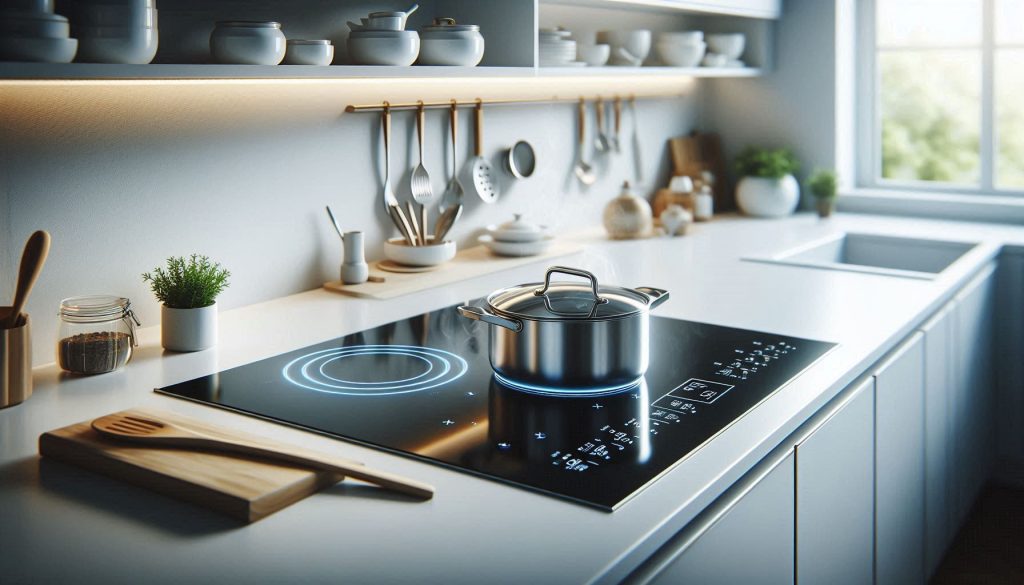
Why induction saves energy (briefly)
Induction moves energy directly into the pan via magnetic coupling, so less is lost to the air. That means faster boil times, tighter temperature control, and less residual heat in the kitchen — all of which lower the energy needed per meal and reduce cooling load on hot days.
How to pick the most cost-effective model
Look for:
Examples: a portable Duxtop 1800W is great for single-pan savings; midrange built-ins (GE Profile induction) offer multiple zones and boost; high-end choices (Bosch 800 Series, Miele FlexInduction) provide larger zones and smoother power sharing.
Practical tips to maximize returns
Use induction-ready cookware (magnetic stainless, enameled cast iron, or iron-core clad pans). Test with a small magnet — if it sticks, the pan will work well. Match pan size to the zone and keep bottoms flat for full contact.
Quick savings example (real-world context)
If your active stove energy per meal falls by ~25–30% with induction (shorter cook time + better transfer), and you cook dinner five times weekly, those per-meal reductions compound into noticeable monthly savings on your electric bill — plus fewer burned or overcooked meals, which cuts grocery waste. Keep these practical choices in mind when selecting an induction model and cookware to accelerate payback as you move to the next gadget.
Vacuum Sealer: Keep Food Fresh, Stretch Your Grocery Budget
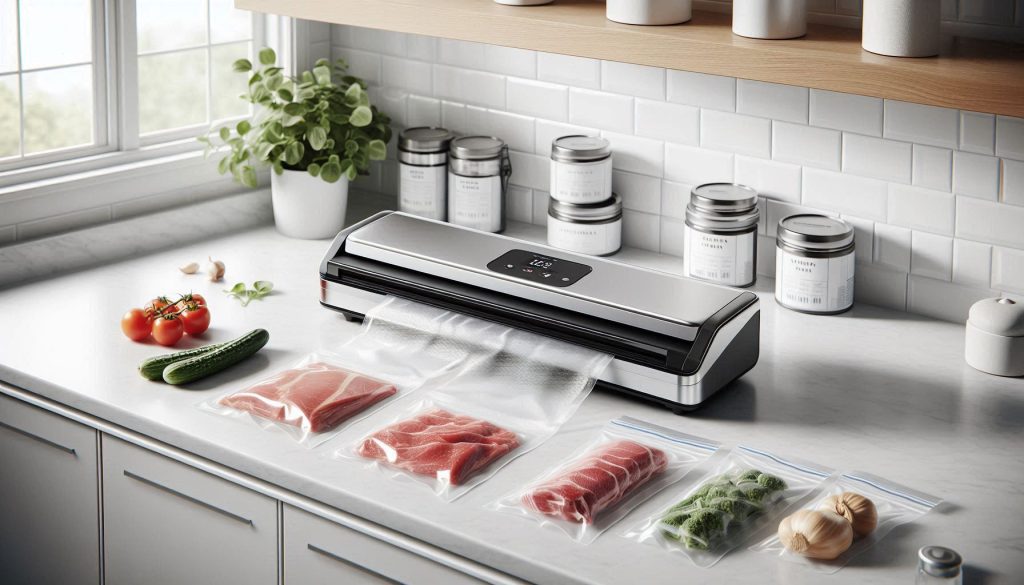
Why a vacuum sealer pays back
A high-end vacuum sealer extends the fridge and freezer life of proteins, cheese, and produce by weeks or months. Even a conservative 10–20% reduction in household food spoilage converts directly into monthly grocery savings — e.g., if you spend $500/month on groceries, a 15% cut is about $75 saved each month. Those savings plus bulk-purchase discounts can shorten the payback on a quality unit to just a few months.
What to look for
Practical, money-saving habits
Quick use case
Buy a 10-lb chicken on sale, break into 8 meal portions, and vacuum-seal. If the sale price drops per-pound cost by 25% and spoilage is cut in half, your per-meal protein cost plummets — and you eliminate last-minute convenience meals.
A vacuum sealer boosts meal prep and portion control, setting you up to use multi-function countertop devices more efficiently — which leads naturally into why a smart multicooker can further compound those savings.
Smart Multicooker: Replace Several Appliances with One Efficient Unit
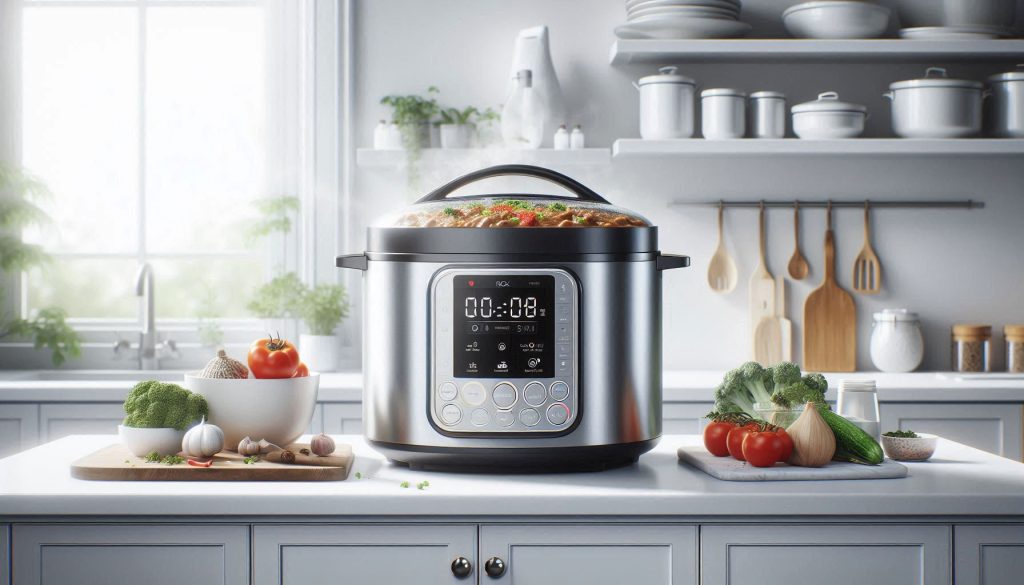
A premium multicooker combines pressure cooking, slow cooking, and programmable cycles in a tightly insulated package that shortens active cook time and trims energy use. Pressure modes can cut braise or stew times by as much as 60–70% compared with an oven; because the unit is insulated and electric, it uses far less standby and active energy than running multiple countertop devices. For you, that translates to fewer appliances drawing power and a single tool that delivers predictable, low-effort meals.
How it reduces your costs
What to look for
Practical tips to maximize ROI
Use your multicooker as the backbone of weekly meal prep, then pair it with the next tool — a high-performance blender — to turn those batches into soups, sauces, and smoothies that further cut grocery and takeout costs.
High-Performance Blender: Make Whole Foods, Avoid Processed Costs
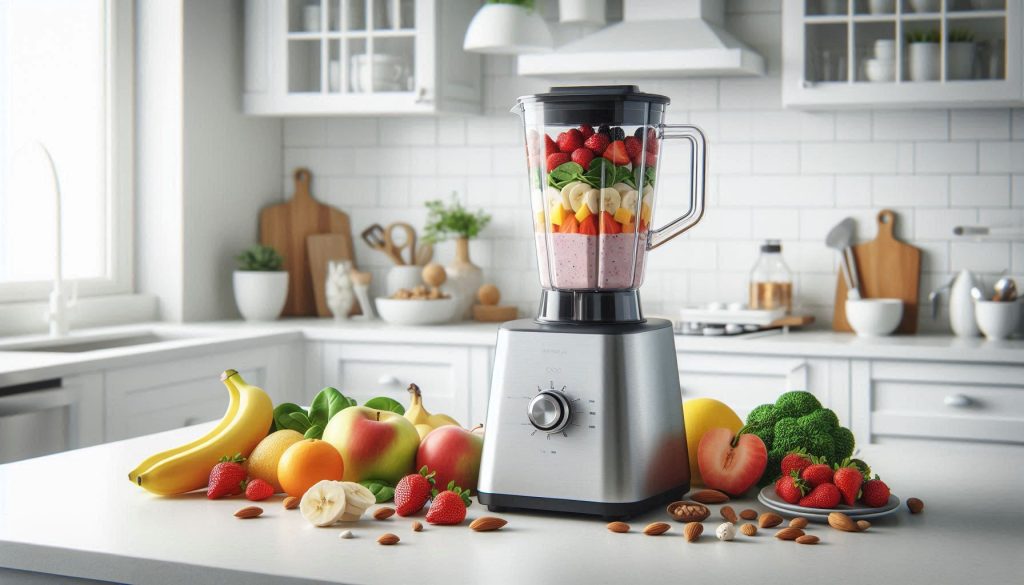
A high-powered blender gives you the option to produce nut butters, plant milks, soups, sauces, and smoothies at a quality that often matches—or beats—store-bought and café items. That versatility replaces single-use purchases and specialty jars, so you start saving on recurring costs almost immediately.
What to prioritize
Choose a motor with sustained torque (look for 1,200–1,800 W or “2–3 peak HP” class performance), durable stainless-steel blades, and a container shape that pulls ingredients toward the blades (tapered jar + tamper). Models to consider: Vitamix 7500/A3500 for continuous torque, Blendtec Designer 725 for jar efficiency, or Breville Super Q for quieter, high-power blending.
Quick recipes that pay back fast
Practical tips to maximize ROI
Investing in the right blender turns whole foods into shelf-stable, ready-to-use ingredients—saving you money while expanding what you can make at home.
Sous-Vide Precision Cooker: Waste Less Protein, Gain Predictable Results
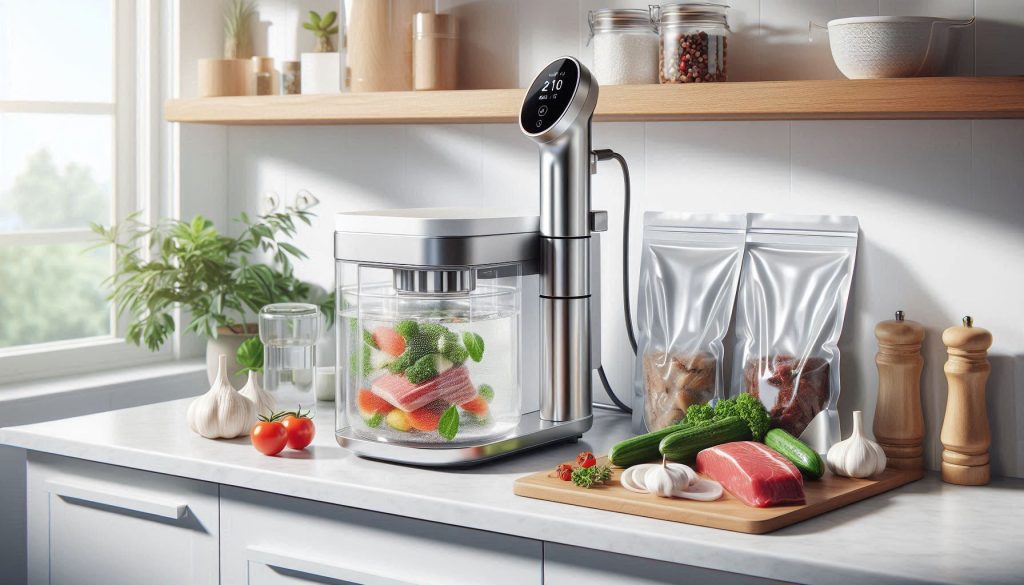
Why a sous‑vide pays back
A premium immersion circulator gives you restaurant-level doneness every time, which directly cuts two common cost drivers: ruined batches and trimmed-away overcooked edges. Because you control temperature to the degree, you can hold protein safely for longer windows (for example, steaks held at 129–134°F can be ready for service within a 1–3 hour window), so you’re not forced into last‑minute, wasteful reheating or tossing.
How to use it to maximize savings
Quick, actionable steps
What to look for in a model
A practical example: if you reduce trim/waste by 10–20% on a $40 bulk purchase, you’re saving $4–8 on that buy alone—multiply that across monthly bulk purchases and the device pays back quickly in lower per‑serving costs.
Smart Dishwasher with Soil Sensors: Save Water, Energy, and Detergent
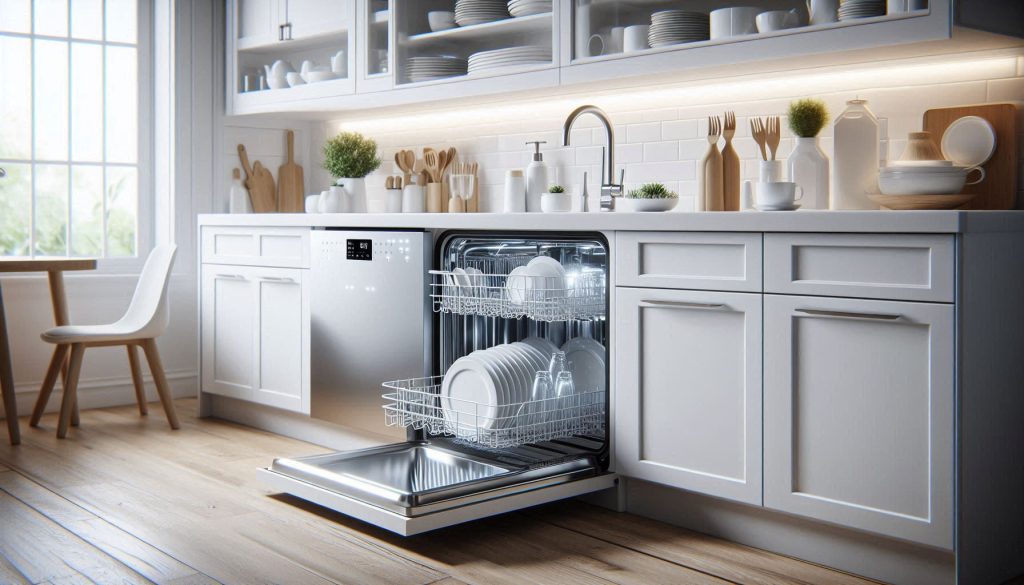
How soil sensors save you money
A luxury dishwasher with turbidity/soil sensors measures how dirty wash water is and adapts cycle length, water volume, and temperature in real time. That means light loads no longer run full-length heavy cycles—so each load can use 20–40% less water and shorter run times. Over months, those per‑cycle savings compound into lower utility bills and fewer detergent pods used.
Using eco modes and off‑peak timing
Practical steps and maintenance tips
Models and features to consider
Next, we’ll look at another appliance that turns daily spending into long‑term savings: a premium espresso machine that replaces café trips while delivering consistent quality at home.
Premium Espresso Machine: Replace Daily Cafe Purchases with Home Quality
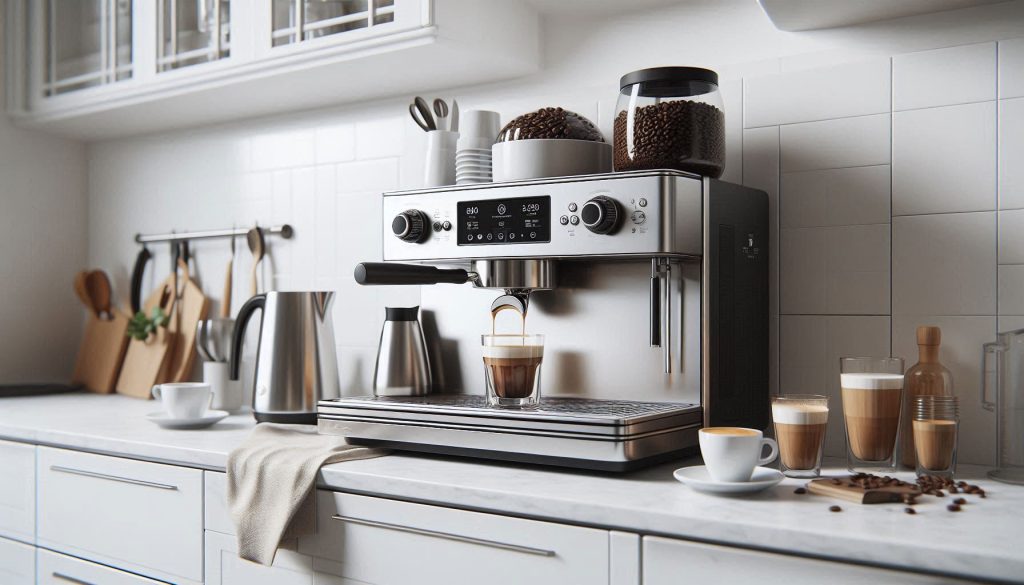
Why one machine pays off
A high-end espresso machine with an integrated grinder and precise temperature control lets you recreate café-quality drinks at home, cutting the steady expense of daily takeout. You get better extraction consistency, faster turnaround between shots, and the ability to buy beans in bulk — all of which lower your per-cup cost and reduce packaging waste.
What to evaluate before you buy
Example math you can use
If a specialty drink costs $4.50 and you buy one per workday (5×/week = $22.50), switching to a home double espresso can cost roughly $0.90–$1.20 per drink (beans + milk + energy). That’s a weekly saving of about $18–$19 (≈ $950/year). A $1,200 prosumer machine can therefore approach payback in ~1–1.5 years — and cheaper machines shorten that period.
Practical tips and models
With these checks and a quick ROI estimate in hand, you can pick a machine that keeps you home-brewing — and save enough to justify the upgrade. Next, we’ll wrap up with how to choose the right luxury tools for lasting savings.
Choosing the Right Luxury Tools for Lasting Savings
Not every premium gadget is worth the price for every household. Use simple ROI calculations—factor reduced food waste, lower energy use, avoided takeout and single-use purchases—to compare upfront cost against realistic annual savings. Track usage for a season, estimate money saved per month, and calculate payback period; a 2–3 year payback usually indicates a smart investment.
Choose devices that align with your cooking patterns and prioritize features that eliminate recurring expenses. When you buy deliberately and use these tools consistently, they stop being indulgences and become reliable cost-saving appliances that improve results and reduce ongoing costs. Run the numbers for your household and start with one gadget that promises measurable savings.