
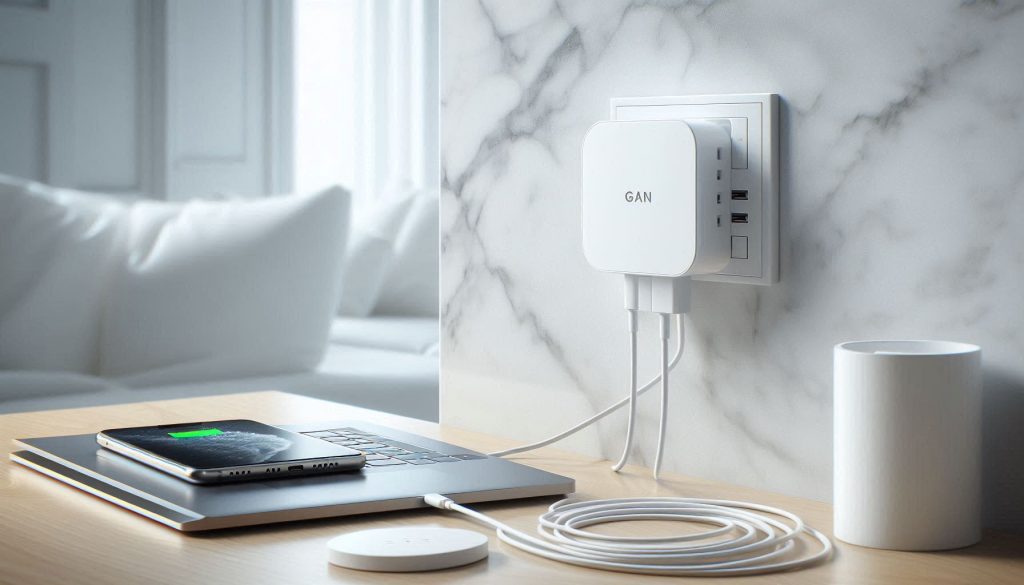
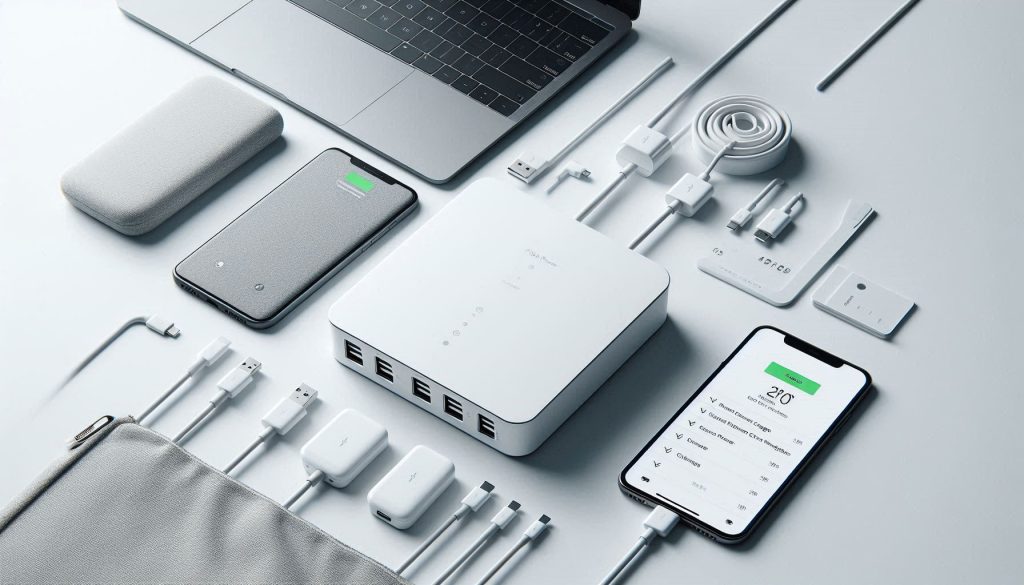
Gallium Nitride (GaN) technology has officially changed the world of electronics. These chargers allow for massive power output in a chassis no larger than a stack of coins. For the luxury homeowner, this means replacing bulky power strips with elegant, multi-port blocks that sit flush against the wall.
Beyond their compact size, GaN chargers are significantly more efficient and run cooler than traditional silicon bricks. We explore how a single high-performance hub can power a laptop, tablet, and phone simultaneously while occupying minimal space in your home or travel kit.
Why this matters to your everyday charging
You rely on chargers every day for phones, laptops, tablets and other devices. The tiny brick plugged into the wall shapes charging speed, convenience, energy use and long‑term device health. Switching to high‑power gallium nitride (GaN) chargers isn’t just a niche upgrade — it changes what you can expect from daily charging.
GaN chargers deliver faster charging, higher efficiency and lower heat in a smaller package. That means quicker top‑ups, less wasted energy and cooler surfaces during use. You’ll also get more ports and portable power without bulky adapters.
This article lays out the technical differences, real performance gains, safety and longevity data, user experience benefits, and practical guidance to pick the right high‑power GaN charger for your needs today.
What GaN chargers are and how they differ from silicon
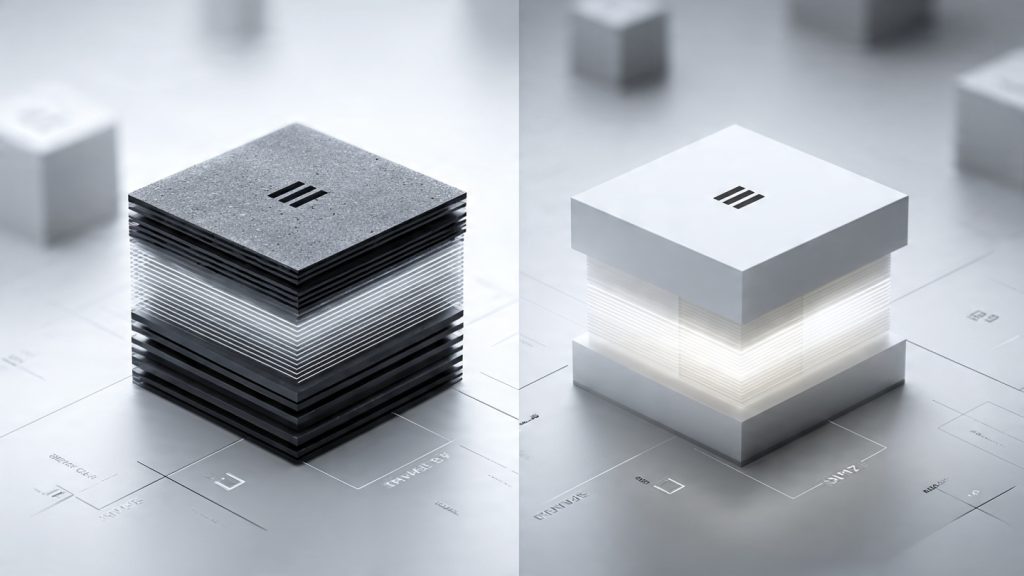
Gallium nitride in plain terms
Gallium nitride (GaN) is a semiconductor material with a wider bandgap and higher electron mobility than silicon. In everyday terms, that means GaN transistors can handle higher voltages and switch on/off faster while dissipating less energy as heat. For you, that material-level improvement translates into electronics that can move more power through a much smaller package.
Why switching speed and losses matter
Power conversion is a game of switching and losses. Two practical ways GaN helps:
Faster switching lets designers use much smaller inductors and capacitors. So a 65 W GaN charger can be the size of a credit card slot while a silicon-based 65 W brick stays much bulkier.
Typical architectures — silicon vs GaN
Most chargers are multi-stage power supplies (AC→DC front end, high-frequency DC‑DC conversion). Silicon designs are optimized around lower switching frequencies to keep switching losses acceptable, which forces larger magnetics and heat sinks. GaN lets the same topology run at 2–10× higher frequency or enables alternative topologies (bridgeless or synchronous designs) that further cut losses.
Real product highlights you may recognize:
Common misconceptions and practical tips
Actionable checks before you buy:
Next up, you’ll see real performance numbers and thermal behavior — how those GaN advantages actually affect charging speed, efficiency and everyday use.
Real performance gains: speed, efficiency and thermal behavior
Faster real‑world charging (why higher wattage matters)
In practice, higher power output (60–100 W and up) cuts total charge time when your device can accept it. For example, a 60 Wh laptop battery will roughly go from 0→80% in about an hour on a sustained 60 W feed; if your laptop negotiates 100 W, that same window can shrink by 20–30 minutes depending on charging curve and firmware. For phones, the biggest wins come from PD‑PPS and higher peak currents — a phone that supports 45 W charging will reach top-up levels noticeably faster on a 65 W GaN adapter than on an older 18–30 W brick.
Real products where you’ll see this: Anker Nano II 65 W and Apple’s 140 W adapter (both GaN‑based) noticeably shorten laptop and phone charging sessions compared with legacy silicon bricks.
Conversion efficiency and what it saves
Conversion efficiency (AC→DC) is the clean metric for wasted energy. Typical modern GaN chargers often hit efficiency in the low‑to‑mid 90s percentage range under rated load; older silicon designs commonly measure a few percentage points lower under identical conditions. That delta matters:
So the primary benefit of higher efficiency is less waste heat and more reliable sustained performance, not huge electricity bill reductions for most users.
Thermal behavior and sustained power
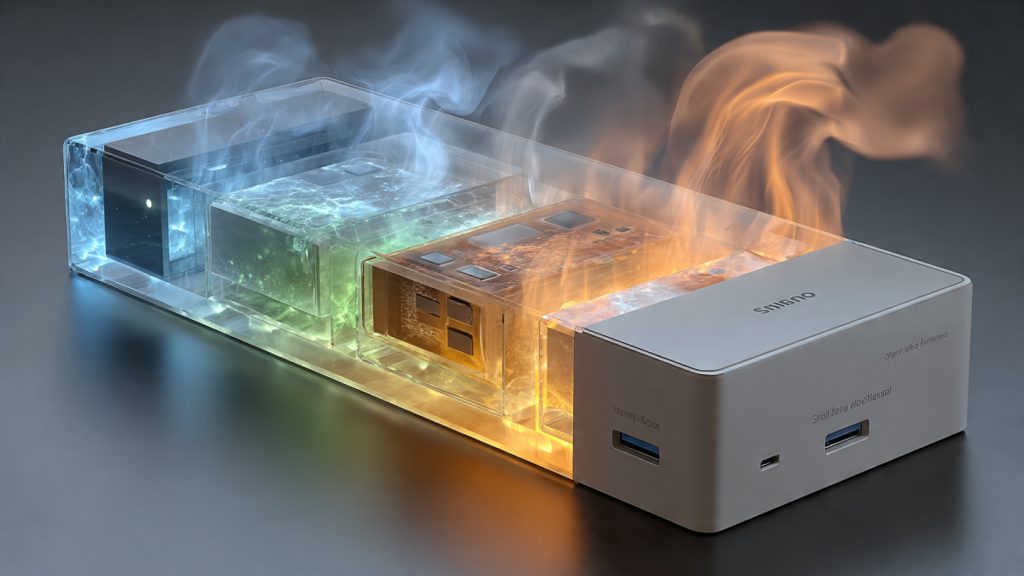
GaN’s lower switching and conduction losses mean less internal heat for the same output. Practically this results in:
Still, thermal performance depends on the whole design: case material, airflow, and firmware. A tiny GaN puck can still get warm if the manufacturer skimped on thermal paths.
Measurable indicators you can use
Before you buy or evaluate a charger, check or measure these:
Tip: use a USB‑C power meter and read independent lab reviews for these numbers. Next, we’ll look at how these performance gains interact with safety, longevity and real‑world reliability.
Safety, longevity and reliability considerations
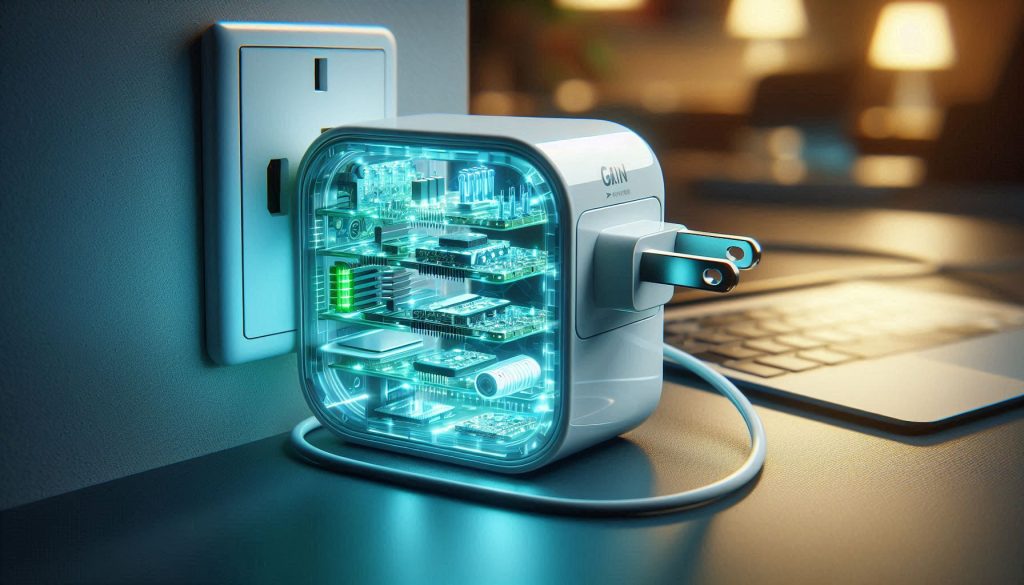
You want reassurance that a smaller, higher‑power charger won’t trade safety or lifespan for size. Here’s how GaN changes the safety equation, what protections to look for, how lower operating temperatures influence longevity (both for the charger and the devices it powers), and practical checks you can use to vet a product.
How GaN influences safety and thermal behavior
GaN’s faster switching and lower conduction losses generally mean the converter produces less heat for a given wattage. Less heat inside the case reduces stress on components and lowers surface temperatures — that’s good for safety and consistent output. But faster switching also increases the importance of correct circuit layout, filtering and shielding: a poorly designed GaN adapter can suffer from EMI or hotspots even though the semiconductor itself runs cooler.
Real-world indicator: independent teardown/thermal tests often show well‑designed GaN bricks (for example, Anker Nano II 65W, Ugreen Nexode 65W, or Apple’s higher‑watt GaN adapters) running 5–20°C cooler at sustained loads than older silicon designs.
Protections you should expect
Modern high‑power chargers should implement multiple, tested protections:
Also look for protocol correctness: support for USB‑PD, PD‑PPS and (where advertised) PD 3.1/EPR negotiation so the charger and device agree cleanly on voltage/current.
Longevity: charger components and the devices you charge
Lower internal temperatures directly improve component life. A useful rule of thumb: for many electrolytic capacitors, every 10°C reduction in operating temperature roughly doubles expected lifetime. Cooler operation also means the charger is less likely to throttle and more likely to sustain rated wattage for long sessions.
For your devices, efficient, stable power delivery reduces thermal and electrical stress on batteries and internal power management ICs. That can mean fewer thermal cycles and slightly less battery aging over time — particularly for laptops that get frequent high‑power charging.
How to evaluate real reliability (practical steps)
These checks let you separate genuine high‑quality GaN designs from products that advertise high wattage but cut corners on safety and durability.
Portability and user experience: what switching will feel like

Smaller, lighter, simpler travel
When you switch to a high‑power GaN brick you’ll immediately notice how much less space it takes. GaN designs typically pack the same or higher wattage into a body that’s noticeably smaller than old silicon bricks — often shaving tens of percent off volume and weight. Practically, that means a single GaN 65–140W charger (e.g., Anker Nano II 65W, RAVPower 140W GaN) replaces separate phone, tablet and laptop adapters and frees up room in your bag for another cable, a mouse or a notebook.
Example: instead of juggling three chargers and three plugs at a coffee shop, you carry one brick and a short USB‑C cable.
Simultaneous multi‑device charging and port prioritization
High‑power GaN bricks are designed to feed several devices at once, but they share total available power. Typical behaviors you’ll see:
Practical tip: plug your highest‑priority device (laptop) into the main port first, then add phones/tablets. If you need full laptop performance, charge it alone or use a brick with a higher total wattage.
Cables, connectors and PD behaviors
The charger is only as useful as the cable and protocol support behind it:
Buy at least one high‑quality 100W USB‑C e‑marked cable and keep a short cable for travel convenience.
Heat, noise and perceived comfort
GaN bricks often run cooler and don’t have noisy fans; what you’ll notice is lower surface temperature and no audible whine. At sustained high loads some models still get warm — that’s normal — but you’ll rarely experience the hot, throttling bricks of the past. If a unit gets uncomfortably hot to touch, stop using it and check reviews/certifications.
Practical behavior changes you’ll adopt
Next, you’ll want to match those user benefits with practical buying criteria — how much to spend, what compatibility to check and which models fit your workflow.
Cost, compatibility and how to choose the right high‑power GaN charger
Total cost of ownership: upfront vs long‑term value
Think beyond the sticker price. A quality high‑power GaN charger costs more up front than a basic 5–30W brick, but you often get:
Quick rule: if a single GaN charger lets you stop buying two or three older chargers, it typically pays back in convenience within a year. If you travel for work, factor in the value of saved bag space and fewer stolen/misplaced adapters.
Compatibility checks you must perform
Before you buy, verify these specifics against your device list:
How to interpret specs and certifications
Check for:
Actionable selection criteria
Red flags to avoid
With these checks you’ll be able to pick a GaN charger that fits your gear and habits — next, the conclusion will give a concise recommendation for making the switch.
Making the switch: a concise recommendation
You should upgrade to high‑power GaN chargers because they deliver measurable improvements: faster charge times, higher energy efficiency, lower operating temperatures, and much better portability without sacrificing safety when you pick certified, well‑engineered models.
When buying, focus on wattage and PD/USB‑C delivery, real-world multi‑port output, thermal management, reputable brand design and third‑party safety certifications (UL, IEC, USB‑IF). Balance price against build quality and warranty. By prioritizing certified, tested products you unlock GaN’s full benefits—faster, cooler, and more convenient charging—while minimizing risk. Make the switch and modernize your charging setup. Your devices will thank you.