
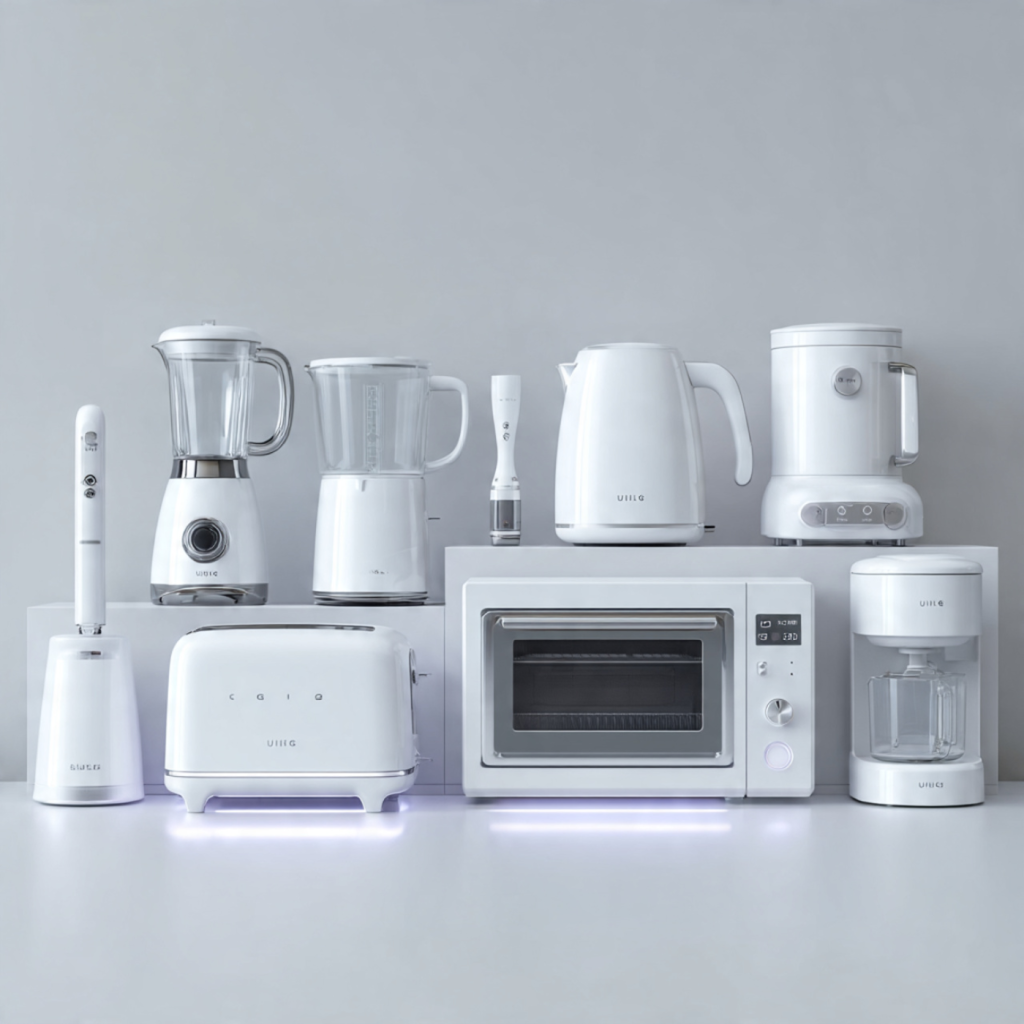
Upgrade Your Kitchen Without Breaking the Bank
You want a kitchen that looks and feels high-end without an expensive remodel. This guide shows 12 affordable luxury gadgets that deliver premium aesthetics, smart engineering, and real performance. You’ll find sleek small appliances that impress, precision cooking tools, and connected devices that simplify meals. Also covered: barista-level beverage gear, designer hardware and accessories, and space‑saving tools with premium performance.
Use these targeted upgrades to raise your kitchen’s style and function quickly. Practical tips will help you choose models that last and fit your space. Read on to learn which small buys give the biggest visual and practical impact, and how to integrate them into modern kitchens with minimal fuss and immediate results.
High-End Look, Low-End Price: Sleek Small Appliances That Impress
Why two pieces matter
Start by investing in two countertop pieces that read as intentional design rather than clutter: a brushed‑metal electric kettle and a toaster with a retro or minimalist silhouette. In real kitchens, these items sit in eye level and signal quality—swap a flaking plastic kettle for a stainless one and guests instantly perceive the whole space as upgraded.
What to look for: materials and tactile details
Choose materials and controls that feel substantial.
Example models: Cuisinart CPK‑17 (variable‑temp stainless kettle, ~$90) or the Fellow Stagg EKG (sleek pour‑over style, higher‑end ~$150–$180) are both visually refined. For toasters, consider the Breville Die‑Cast 2‑Slice (BTA820XL) for precision or a KitchenAid stainless 2‑slice for a minimalist look; Dash and Smeg replicate retro charm at different price points.
Features that matter more than logos
Prioritize useful features that enhance daily use:
Good performance doesn’t require designer pricing—expect reliable kettles from $50–$150 and solid two‑slice toasters in the $40–$160 range depending on features.
Placement and finish‑syncing tips
Place these appliances like objects, not appliances: group the kettle and toaster on a dedicated tray or a short wooden riser to create a vignette. Match finishes to fixtures—brushed stainless plays well with chrome faucets, matte black units harmonize with black pulls. Leave a bit of negative space around them so they read as curated, not crammed.
A small swap—metal kettle, quality toaster, and a tray—can change how your whole kitchen reads. Next, you’ll learn how precision cooking tools bring that same elevated feeling to meal results, not just appearances.
Precision Cooking Without the Price Tag
Precision tools give you restaurant‑level results with minimal fuss. Two compact, affordable gadgets do most of the heavy lifting: an immersion (sous‑vide) circulator and a portable induction cooktop. Use them together or separately to get consistent texture, exact temperatures, and faster learning curves in the kitchen.
Why these two matter
An immersion circulator holds water at a precise temperature for hours, so a steak comes out edge‑to‑edge medium, chicken stays juicy, and vegetables cook evenly without overdoing. A compact induction burner delivers instantaneous, controllable heat on any countertop—ideal for fast searing, delicate simmering, or when your range isn’t up to the task.
Buying criteria: what to prioritize
Recommended models to consider:
Practical use cases & quick how‑tos
Real kitchens show these tools shrink the margin for error: you’ll get repeatable results that look—and taste—professional. Many of these devices also offer smart controls, which leads naturally into how connected tools simplify the rest of your cooking routine.
Smart Simplicity: Connected Tools for Effortless Cooking
Smart gadgets can feel luxurious when they remove guesswork. Two connected helpers worth your attention are a smart kitchen scale and a Wi‑Fi multi‑cooker—each brings real convenience if you pick the right features.
What a smart scale actually does for you
A connected scale (think Drop Scale or the NutriBullet Balance) goes beyond weight: it syncs recipes, auto‑converts units, and guides you through ingredient order so baking turns out consistent every time. Practical tips:
Real use: when you halve a bakery recipe for home size, the app recalculates flour and water ratios so your sourdough hydration stays perfect.
Why a Wi‑Fi multi‑cooker is a set‑and‑forget upgrade
Models like the Instant Pot Smart WiFi let you start, stop, and monitor cooks remotely, receive progress alerts, and download vendor‑tested recipes that auto‑set time and mode. Look for:
A quick how‑to: create a favorite recipe in the app, start it from the office, and get a push notification when it switches to “keep warm” so dinner is ready but not overcooked.
Privacy, connectivity, and feature priorities
Watch for these pitfalls:
Choose tech by use case:
Practical safety tip: put smart appliances on a separate guest network and enable firmware updates. These connected helpers remove a lot of daily friction—next, think about the small hardware details (handles, pulls, and finishes) that make your kitchen feel designer‑made.
Barista-Level Beverages at Home
Create a café-worthy drink station with two compact, affordable tools: a capsule or compact espresso machine and an electric milk frother. Modern entry‑level machines deliver surprisingly consistent pressure and temperature control that mimic pricier models; paired with a good frother, you’ll get espresso shots and microfoam that taste and look like they came from a specialty cafe.
Pick the right machine for your needs
Decide convenience versus control. Capsule machines (Nespresso Vertuo/VertuoPlus, Nespresso CitiZ) give repeatable extraction and near‑instant shot quality for busy mornings. Compact semi‑autos (Breville Bambino Plus, De’Longhi Dedica) offer 15‑bar pumps, fast heat‑up, and better temperature stability for fuller flavor if you want to learn dialing in shots.
Look for:
Frother features that create café microfoam
A standalone frother (Nespresso Aeroccino, Secura) or a handheld wand (Zulay, Breville Milk Café) can both produce microfoam when used correctly. For latte art‑style texture, aim for:
Accessories and setup that elevate quality and style
Pair your machine with a few essentials to improve flavor and presentation:
Styling and maintenance tips
Design an intentional vignette: a small tray, matching canisters for beans, a plant, and under‑cabinet lighting make the station feel curated, not shoved on a counter. Real‑world habit: spend 5 minutes daily wiping steam wands and emptying grounds; descale monthly if you have hard water. Backflush or clean group heads per manufacturer guidance to keep extraction tasting fresh.
With the right compact machine, a focused set of accessories, and simple upkeep, you’ll serve cafe‑level drinks without stealing valuable counter space.
Designer Details: Hardware and Accessories That Elevate
Small hardware and accessory upgrades lend a designer sensibility at minimal cost. Two easy swaps—LED under‑cabinet lighting and a touchless faucet adapter—deliver immediate polish and real everyday value.
LED under‑cabinet strips: light, mood, and invisible tech
Choose a low‑profile 12V LED strip (Philips Hue Lightstrip Plus or budget‑friendly Govee options) with a slim aluminum channel so the fixture sits flush and wiring hides behind the cabinet. Decide warm (2700–3000K) for a cozy, cookbook‑friendly glow or cool (3500–4000K) for crisp task lighting that makes whites and stainless pop. Prioritize:
Simple install tips: run the power lead through a drilled heel‑cup hole and tuck the transformer into the cabinet back or toe kick. Use 3M VHB tape to hide seams; paint a thin plastic raceway to match your cabinetry for any exposed cord.
Touchless faucet adapters: hygiene that reads like luxury
A retrofit touchless adapter (look for reputable retrofit units from Cashido and similar makers, or consider a full touchless faucet from Moen/Delta if you plan a swap) converts your everyday spout into a high‑end, sanitary fixture. Key buying checks:
Hygienic pluses include fewer cross‑contamination touchpoints and water savings from automatic shutoff—ideal after handling raw meat or messy prep.
Match materials to make it feel intentional
Coordinate metals across pulls, lighting trims, and faucet finish. Use matching outlet covers, towel hooks, and a single style of hardware to create a cohesive look. Little concealments—painted raceways, recessed transformer boxes, and neatly routed cables—turn inexpensive pieces into a seamless, designer result.
Next up: compact, high‑performance tools that maximize function in small kitchens.
Space-Savvy Tools with Premium Performance
Make every inch count: the right compact gear gives you big capability without the visual clutter. Two winners are a modern countertop air fryer with a polished finish and a versatile, compact food processor that replaces several bulky gadgets.
Why go compact (without compromise)
In a small kitchen you want tools that perform like full‑size models but tuck away or look intentional on the counter. Think finish and control first: stainless or matte black exteriors and simple touch or dial interfaces make compact devices read as premium—even when they’re under $150.
Air fryers that look the part
A 3–5 quart air fryer hits the sweet spot for most households. Look for models like the Cosori 3.7‑qt, Ninja’s 4‑qt options, or Instant Vortex minis—many come in matte black or stainless finishes with clean LED controls and presets.
Key buying checks:
Real example: in a studio apartment a 3.7‑qt air fryer can roast vegetables, crisp up frozen snacks, and reheat leftovers without occupying your whole counter.
Choosing the right compact food processor
A compact processor (3–8 cups) can replace a blender, chopper, and slicer. Consider:
Good models include Cuisinart’s 4‑cup mini for quick prep, KitchenAid’s 7‑cup compact for versatility, or an 8‑cup Breville SousChef if you want pro‑level blades in a still‑compact package.
Care, storage, and styling tips
Multi‑function vs single‑task: choose by habit
If you cook varied meals in a tiny space, favor a multifunction processor/air‑fryer combo. If you often need top performance for one task (e.g., daily smoothies), keep a single‑task pro appliance instead.
Next up: a concise look at how small investments like these add up—leading into the final takeaways.
Small Investments, Big Impact
You don’t need a full remodel to make your kitchen feel luxurious. By choosing a dozen thoughtfully selected gadgets that marry elegant finishes, reliable performance, and easy upkeep, you can upgrade your daily cooking experience without overspending. Use the section guidance to prioritize buys that match your routines, style, and space constraints.
Focus on durable materials, simple maintenance, and multipurpose tools to stretch value and maintain a high-end look. Small, intentional purchases add up: invest in a few standouts now and enjoy a kitchen that feels curated, efficient, and distinctly yours. Start with what you use daily.